The Negatives at the Bottom of the Cupboard
Giving 80-year-old photographs another life
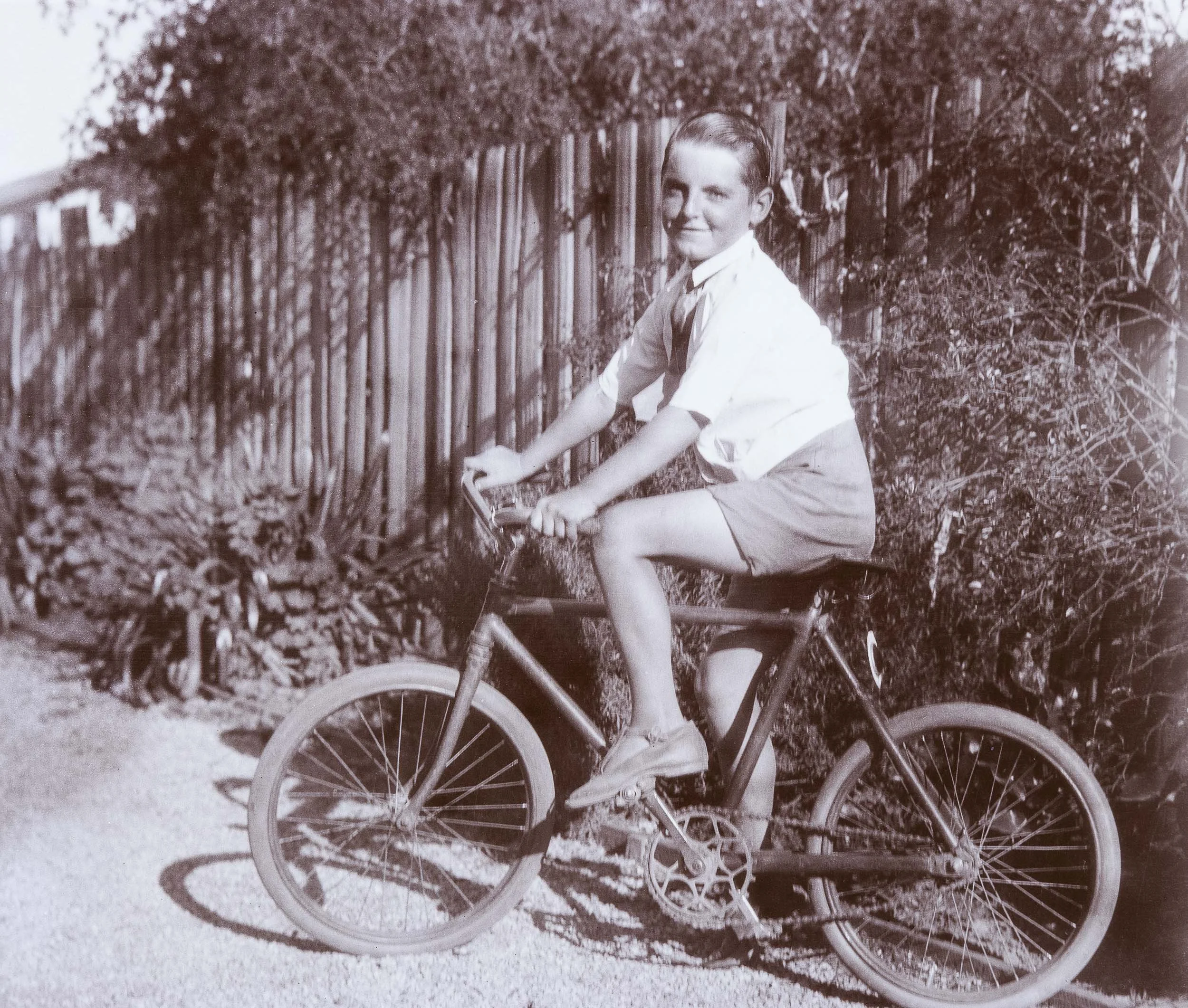
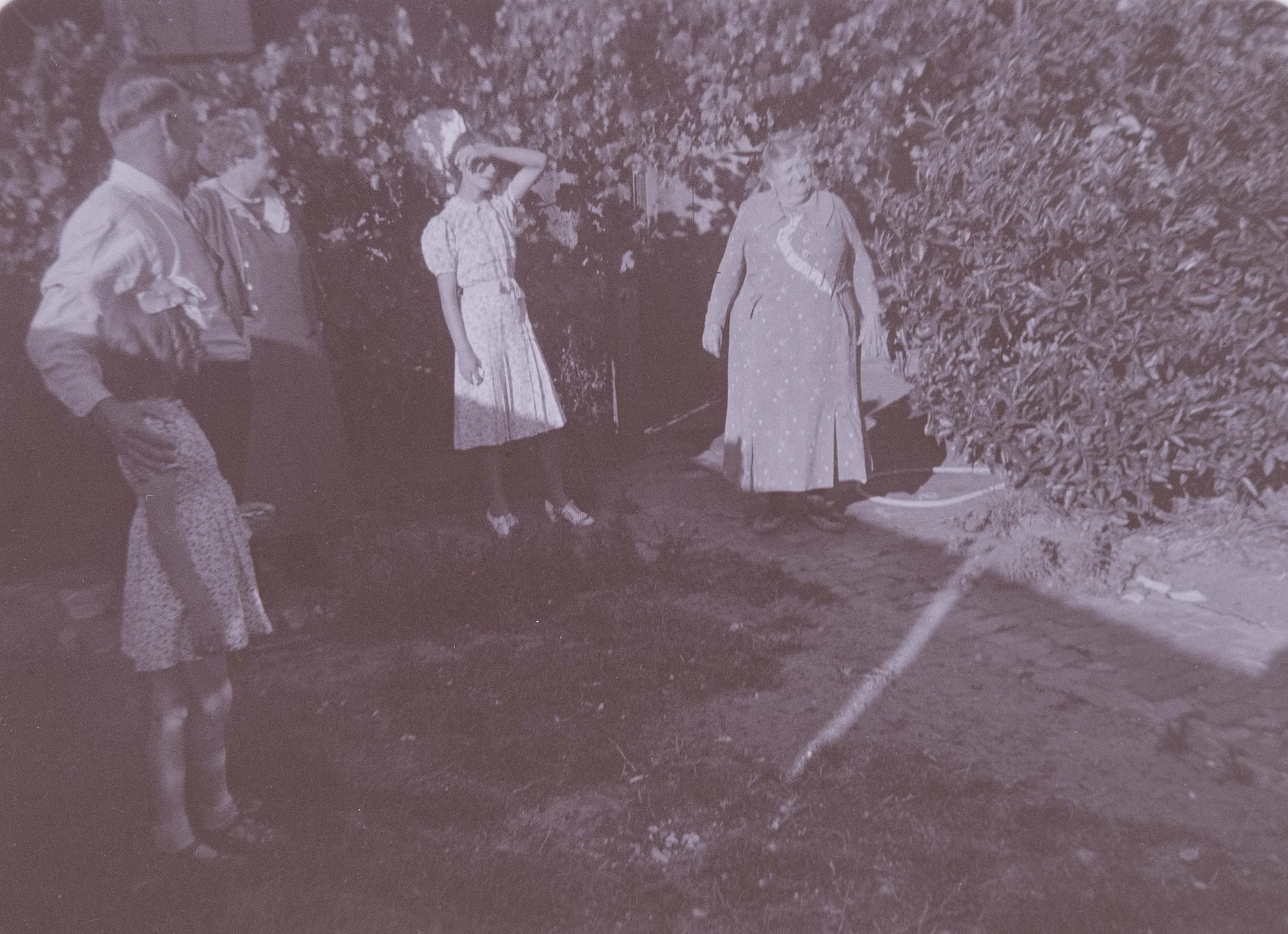
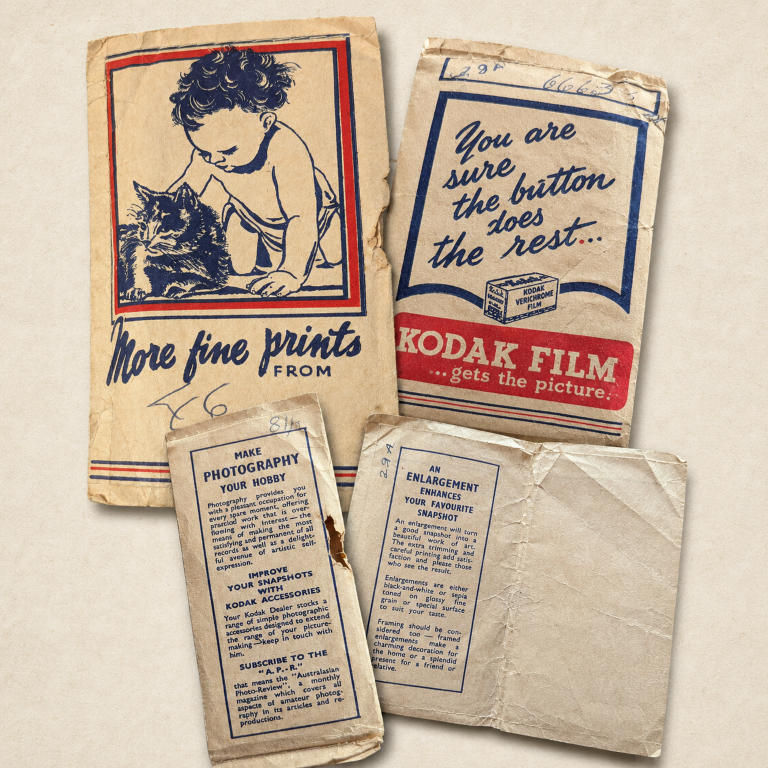
The small packet of negatives had spent decades sitting at the bottom of a cupboard. They were not carefully catalogued or stored in archival sleeves. They were simply kept in a single worn Kodak envelope.
They survived for one simple reason: they were kept in a dark, somewhat consistent environment.
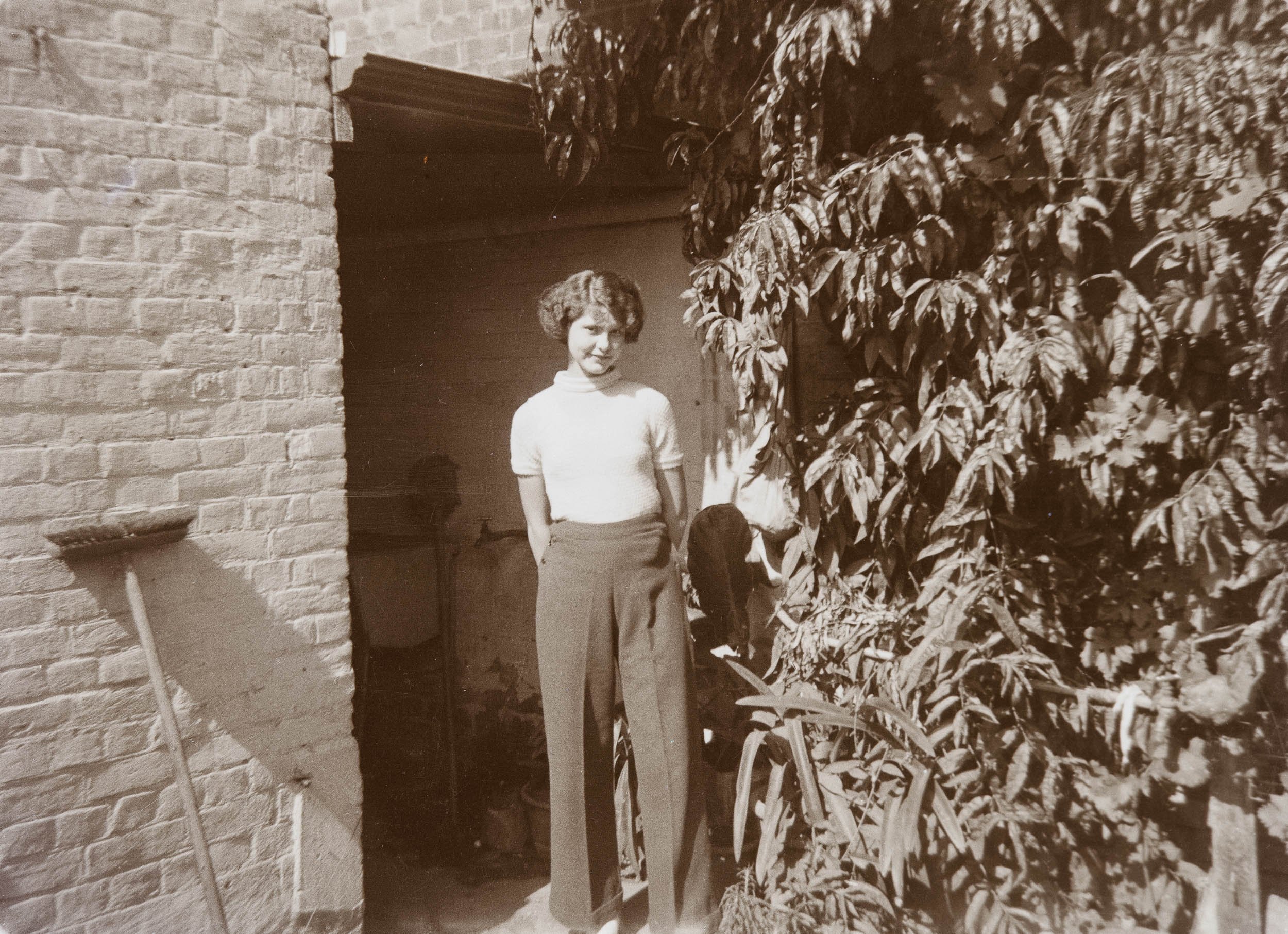
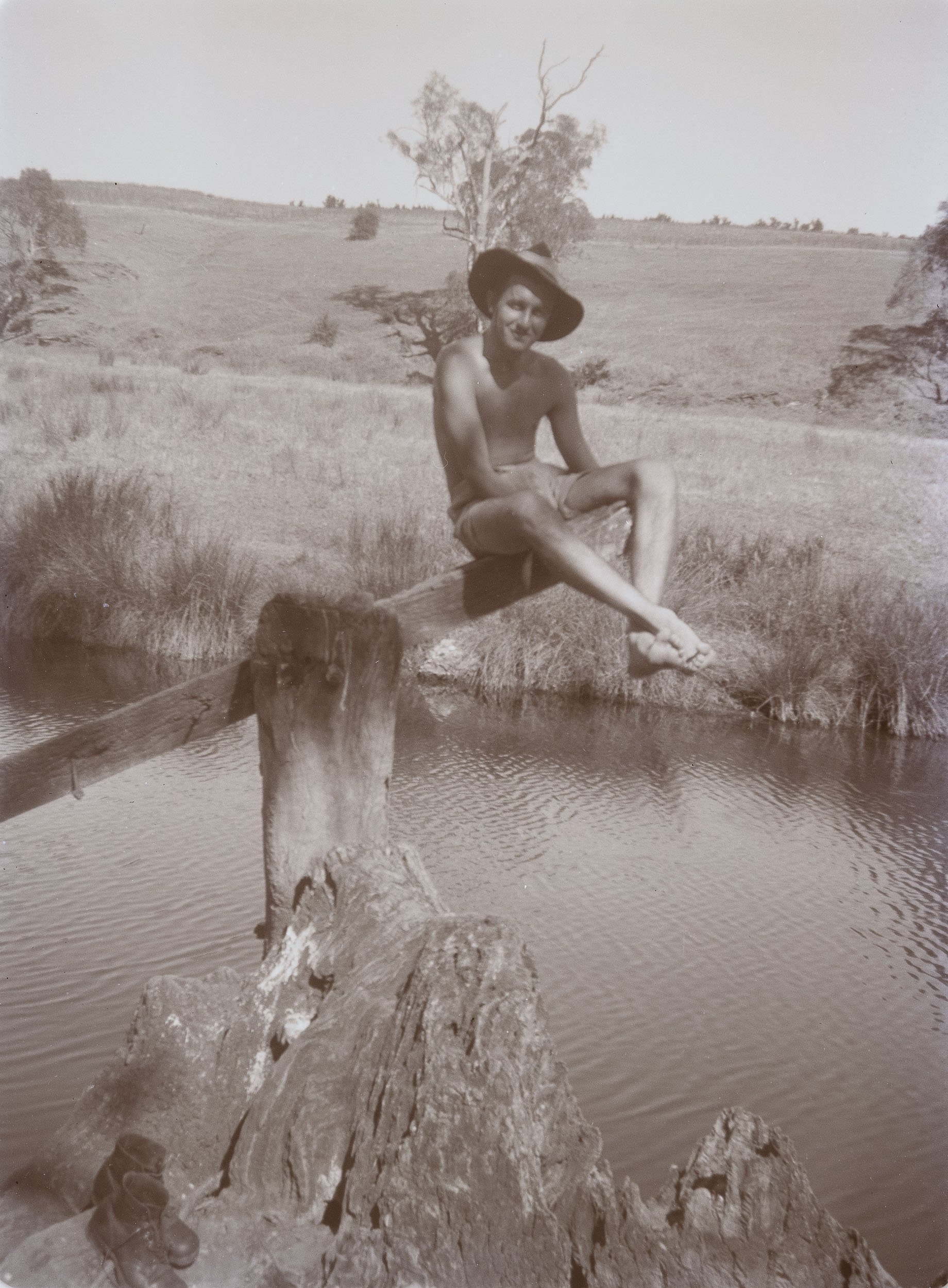
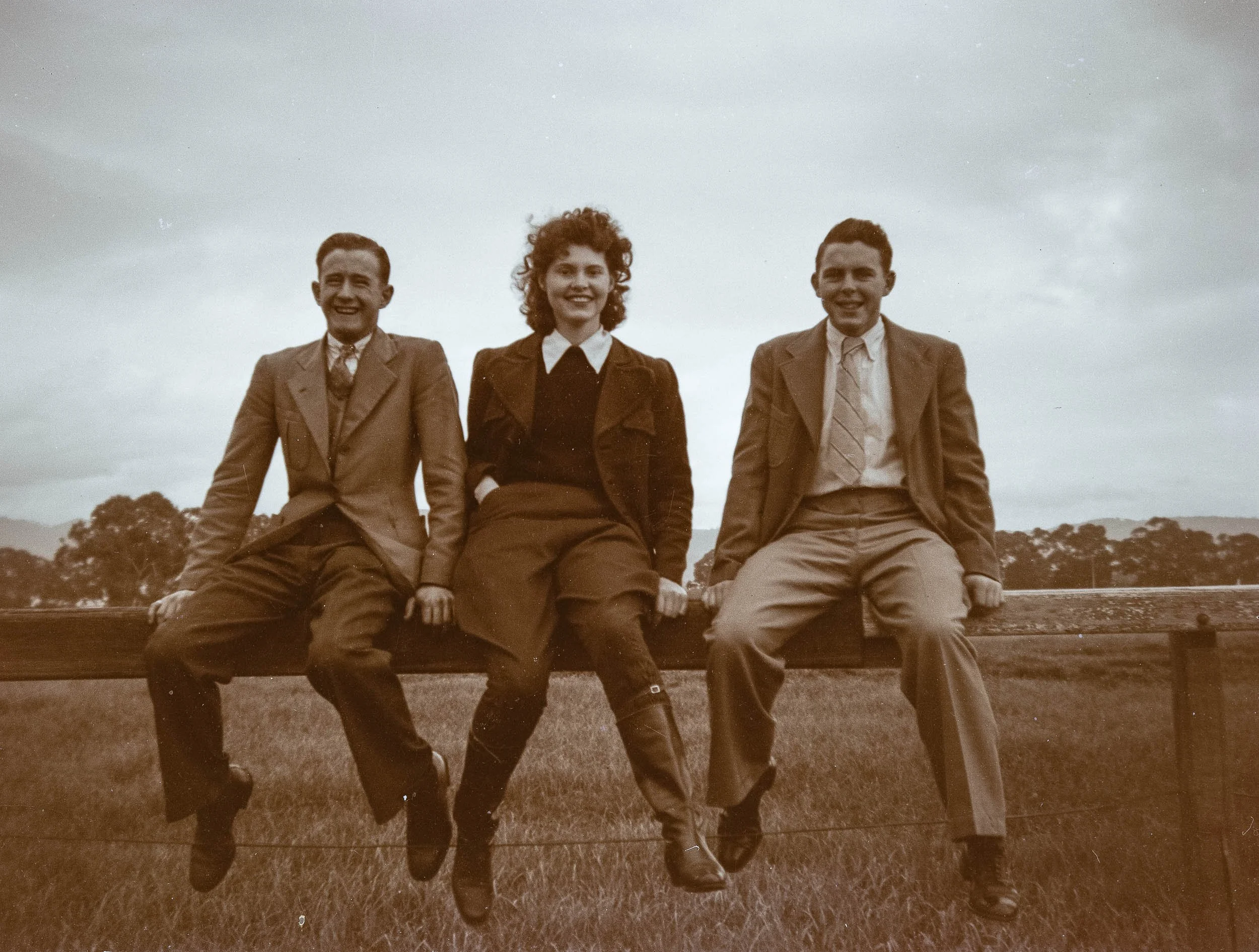
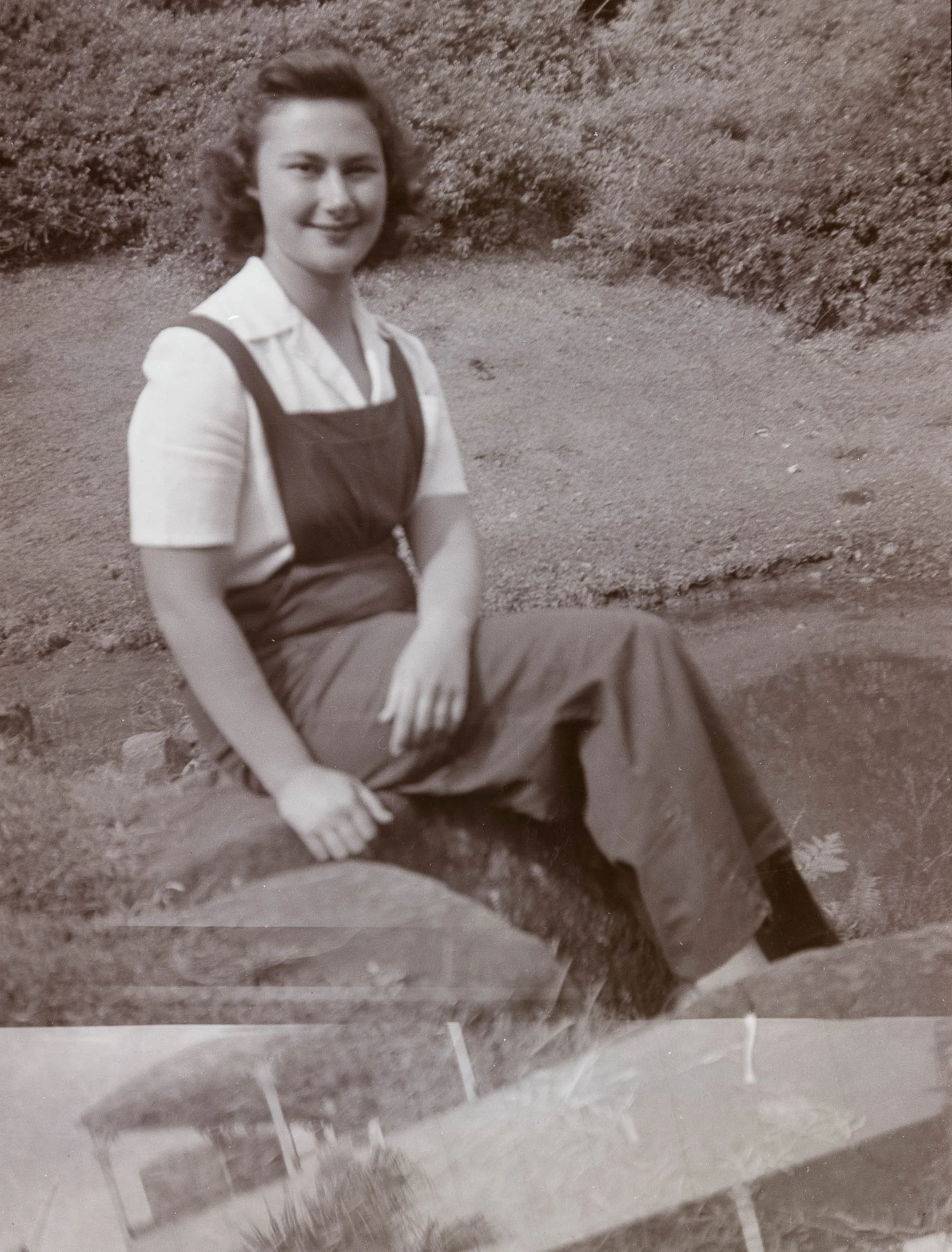
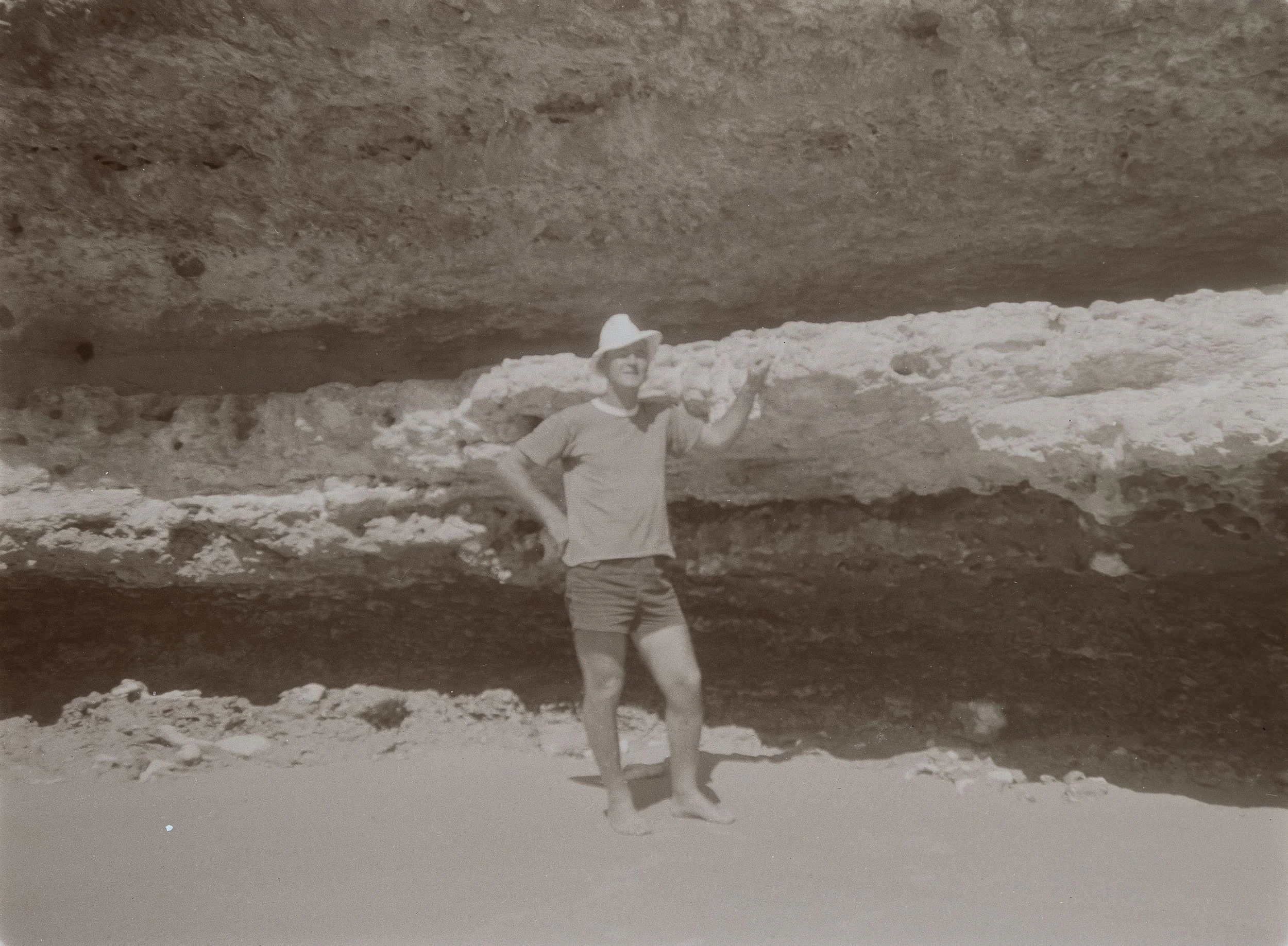
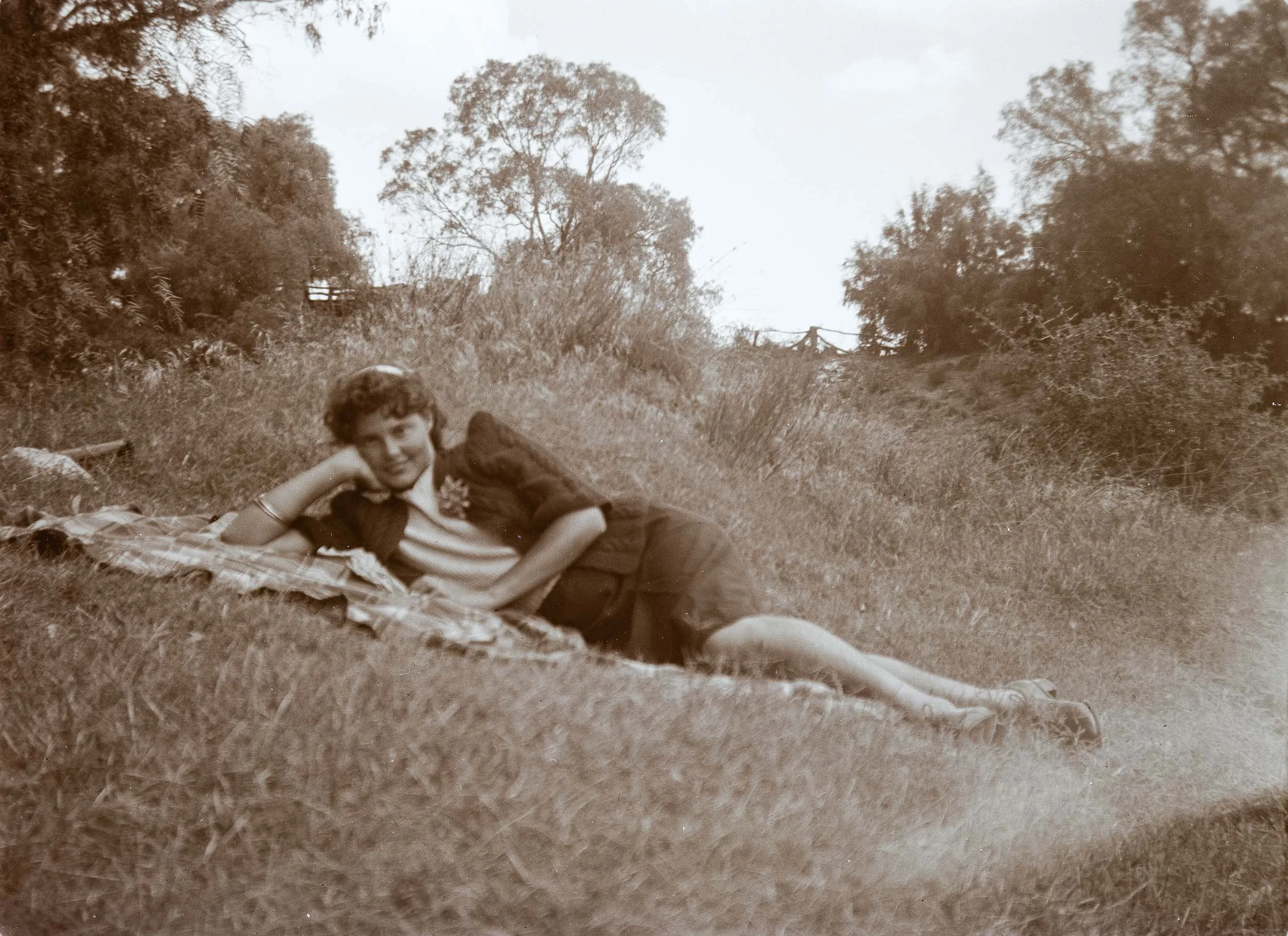
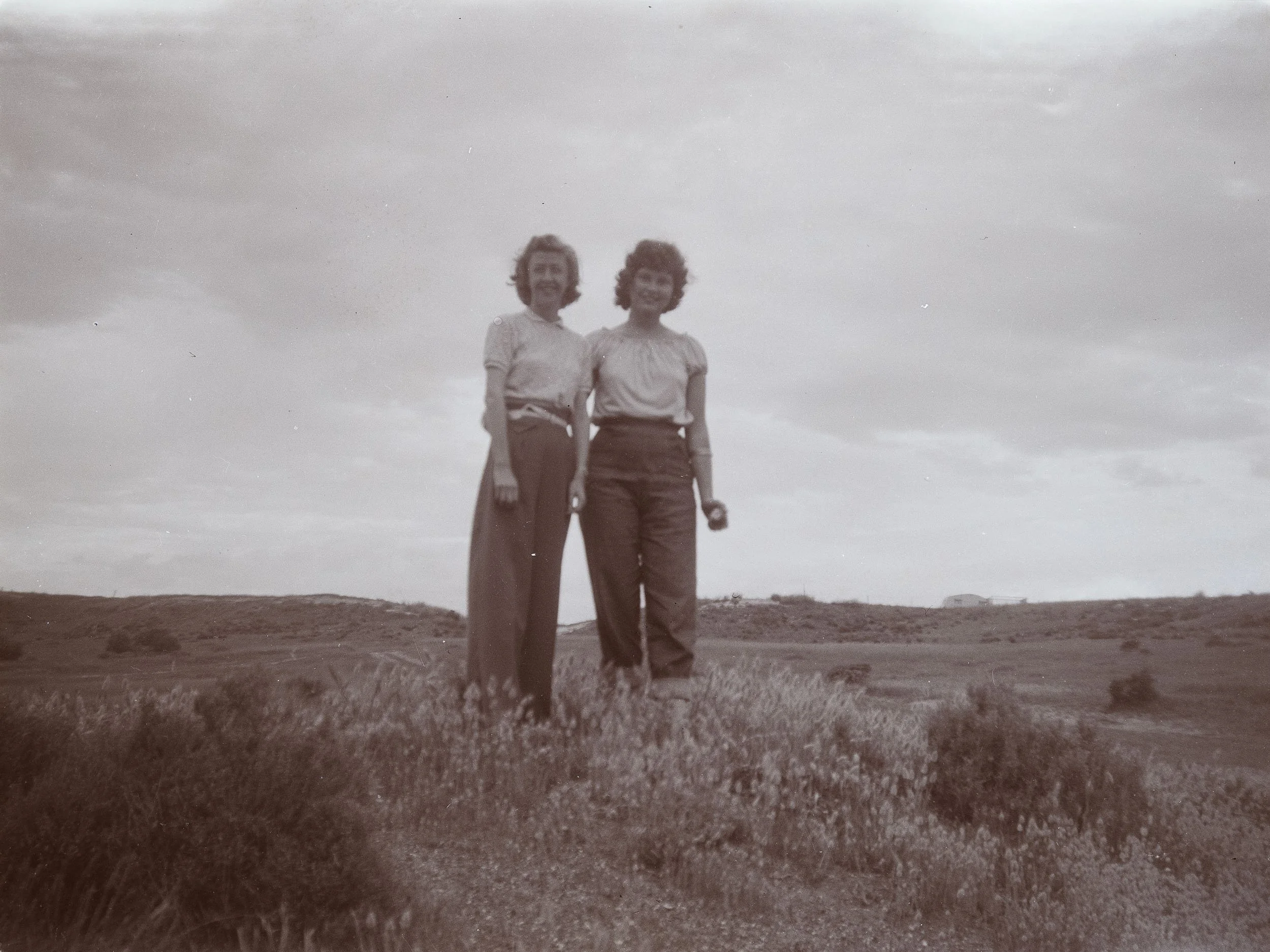
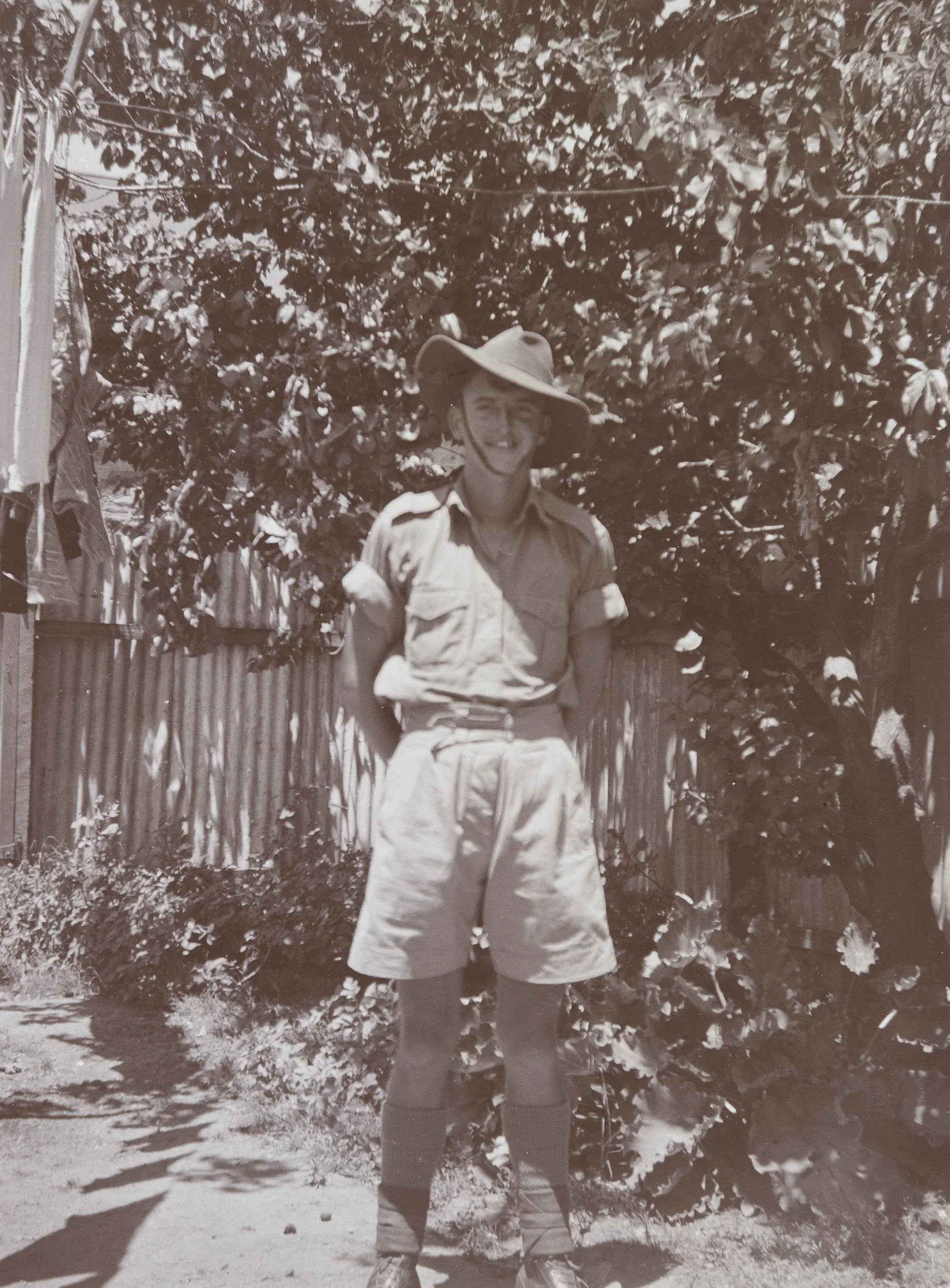
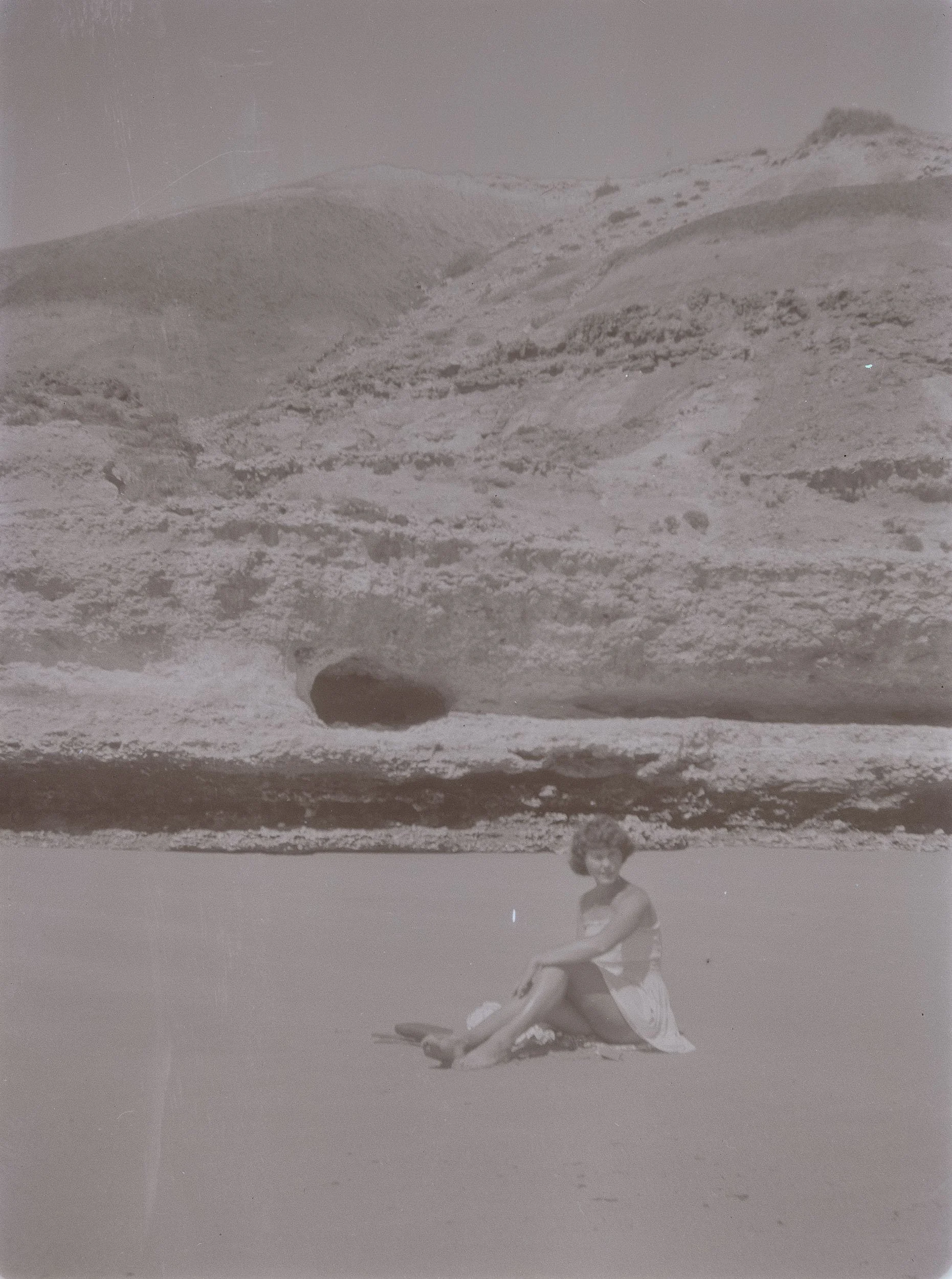
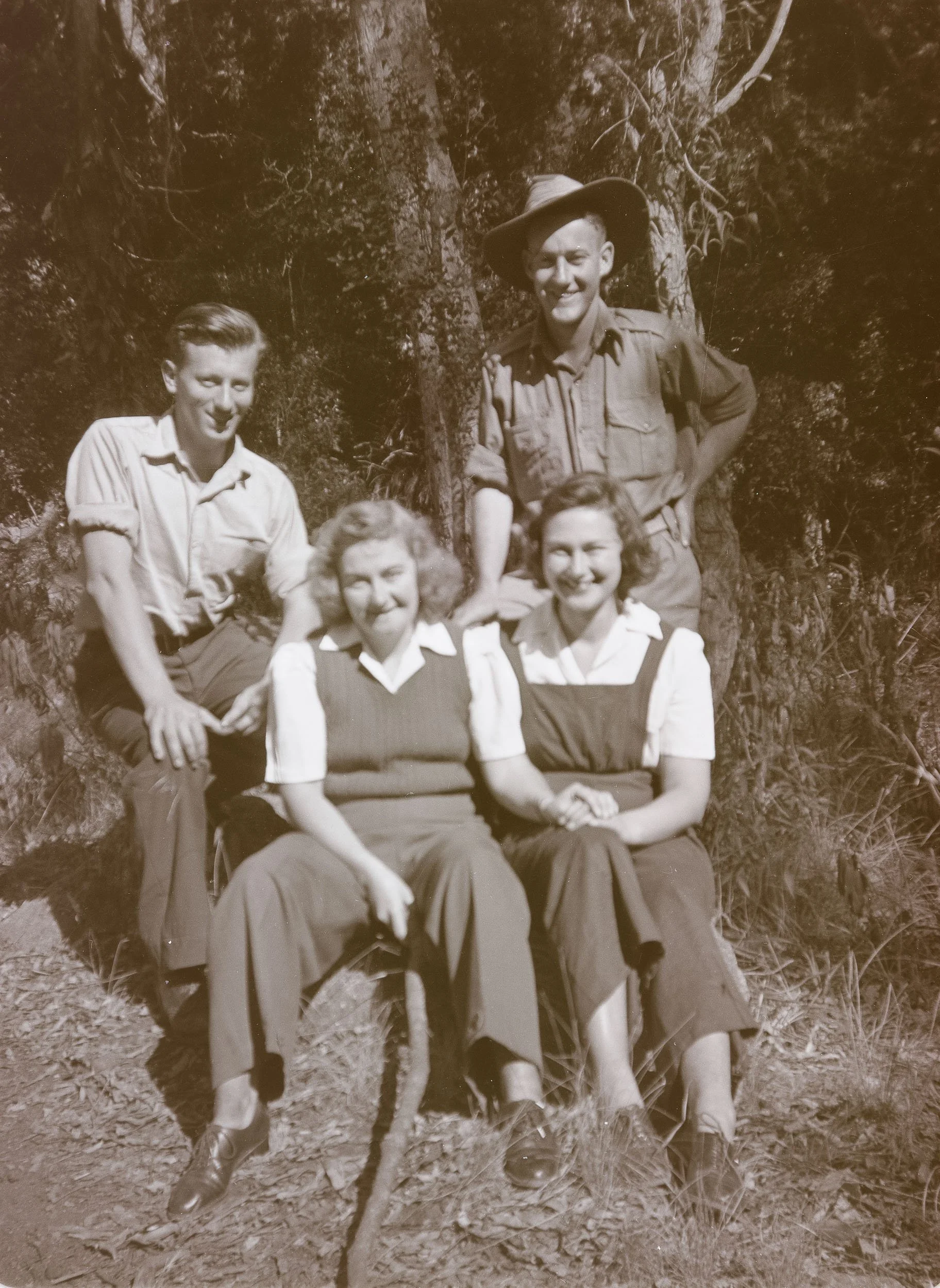
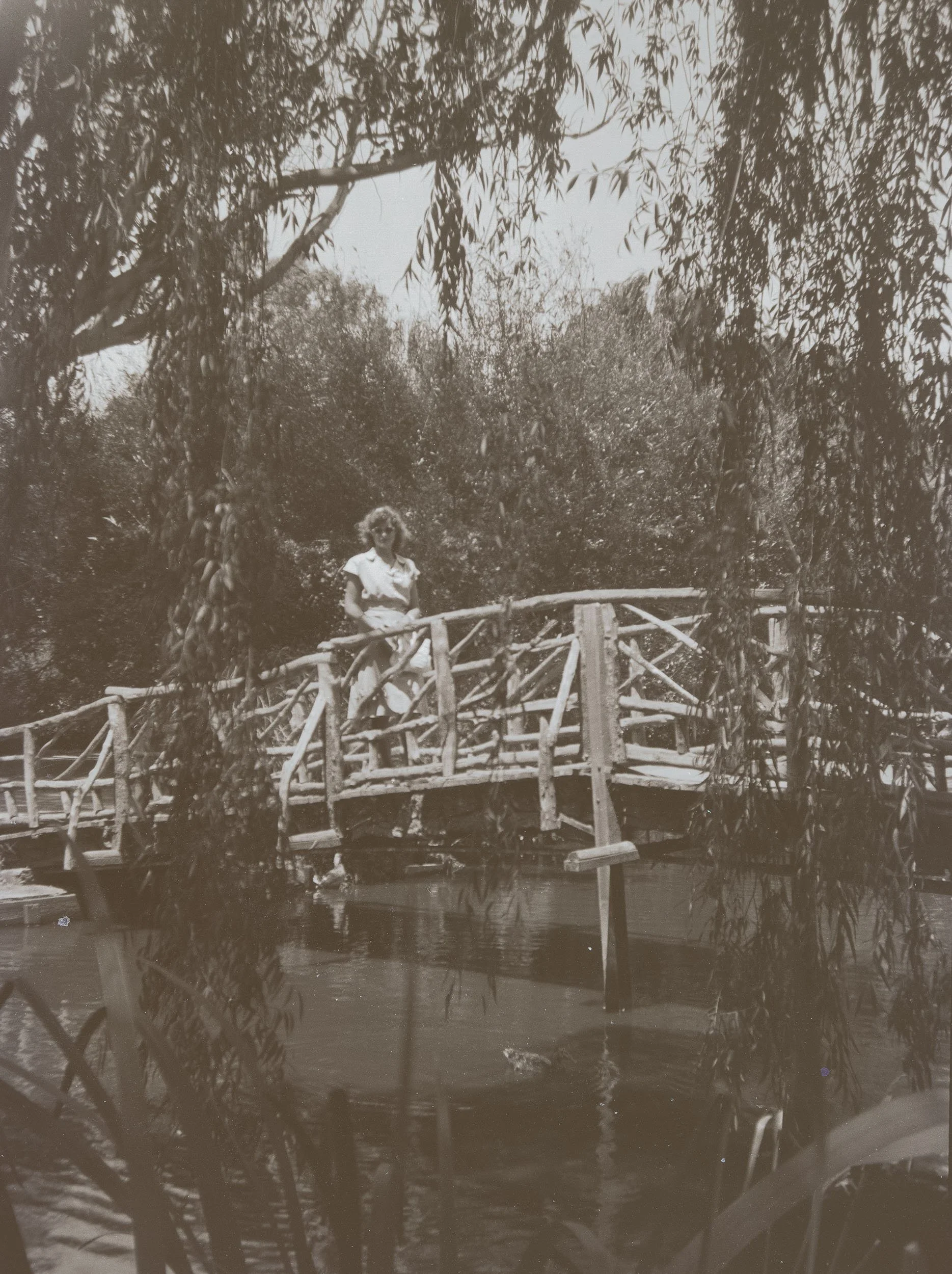
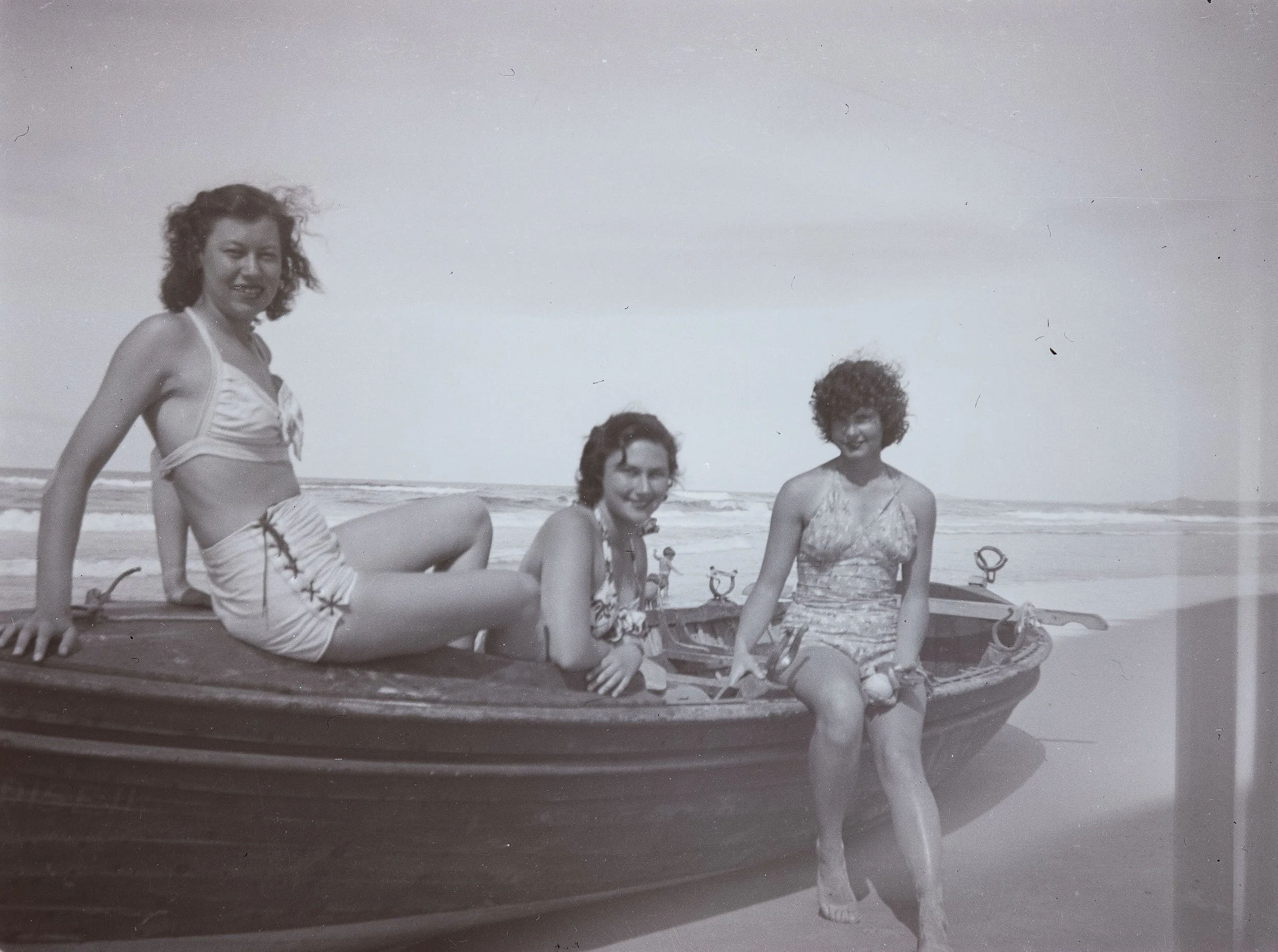
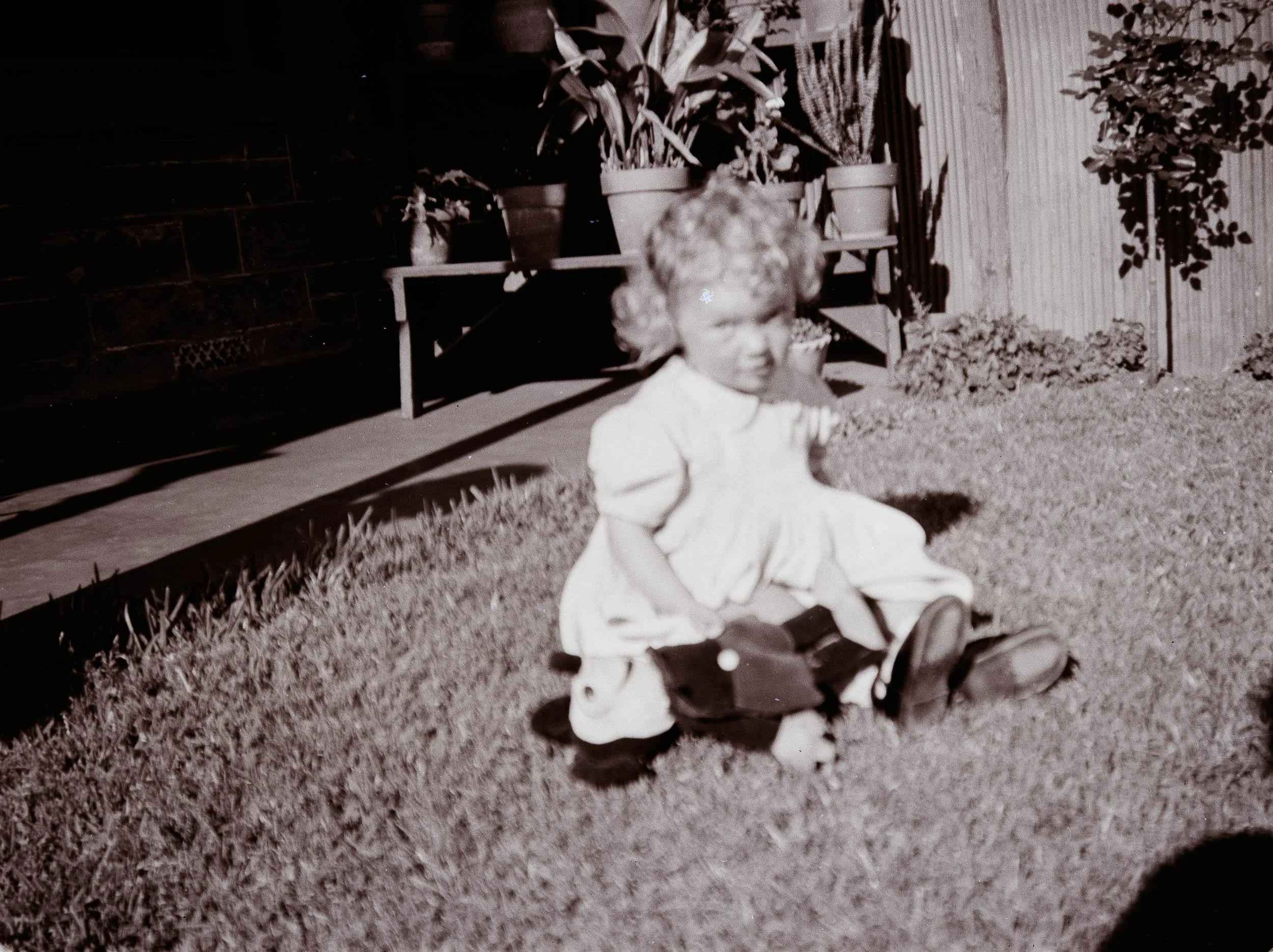
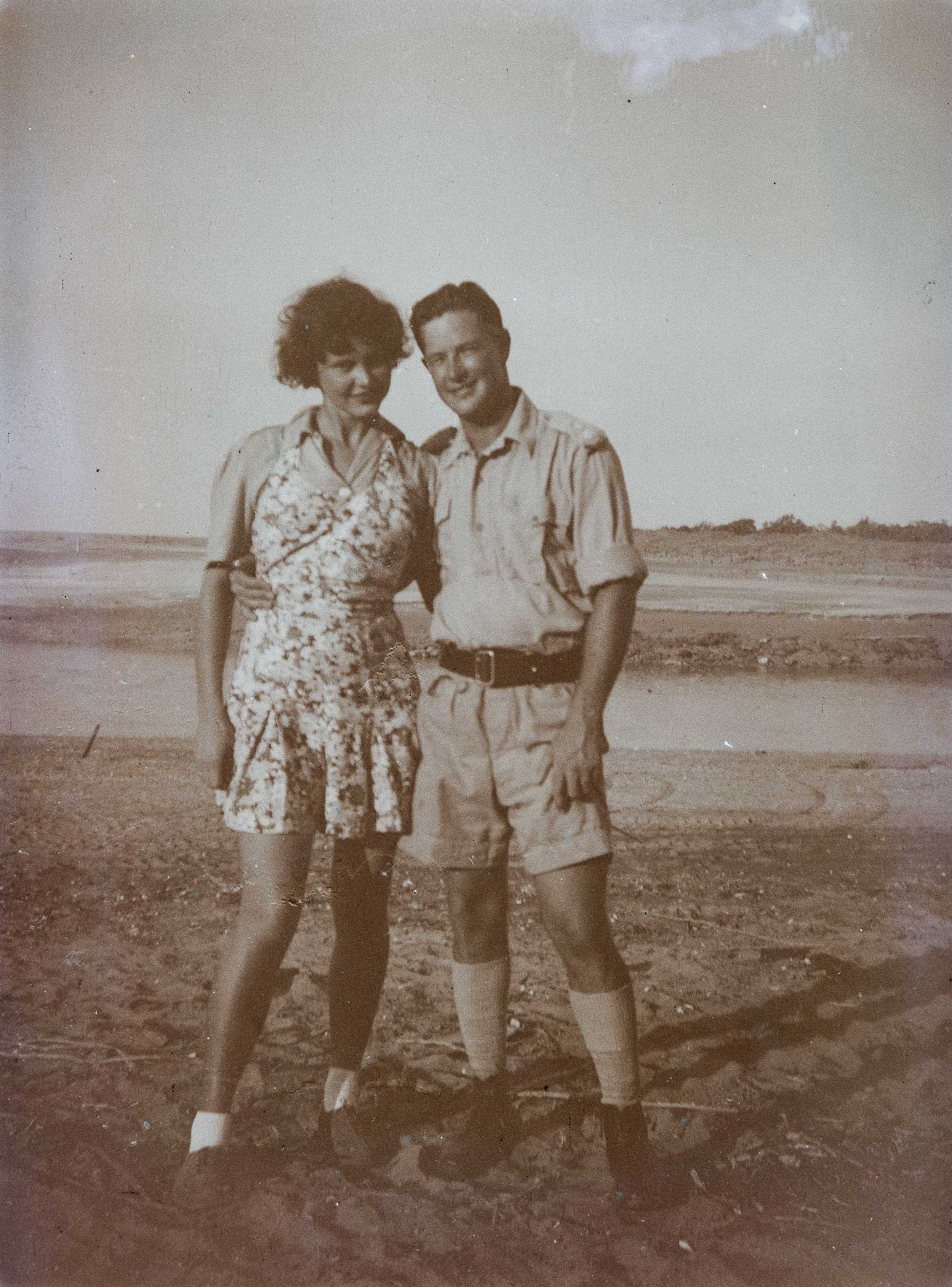
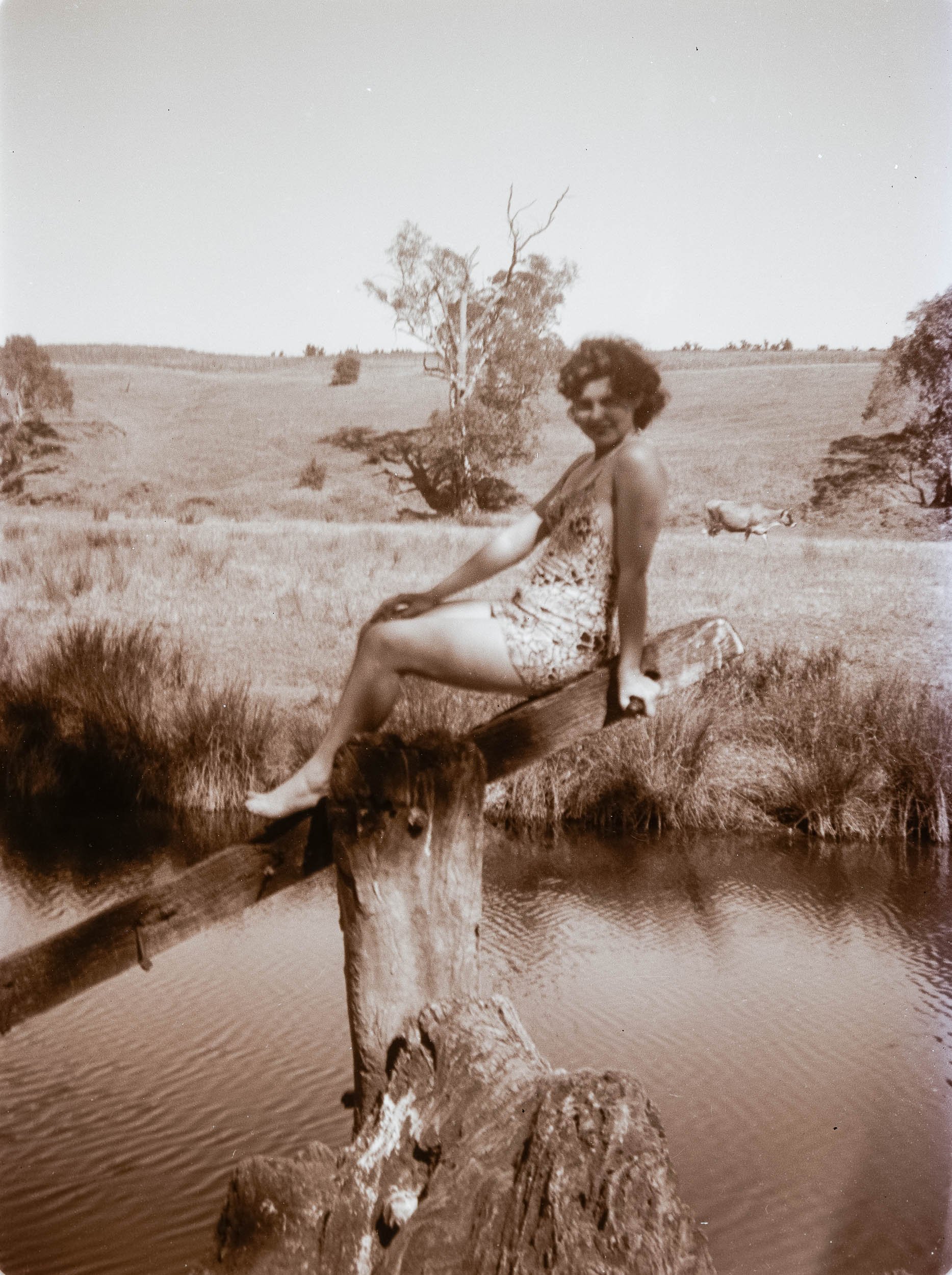
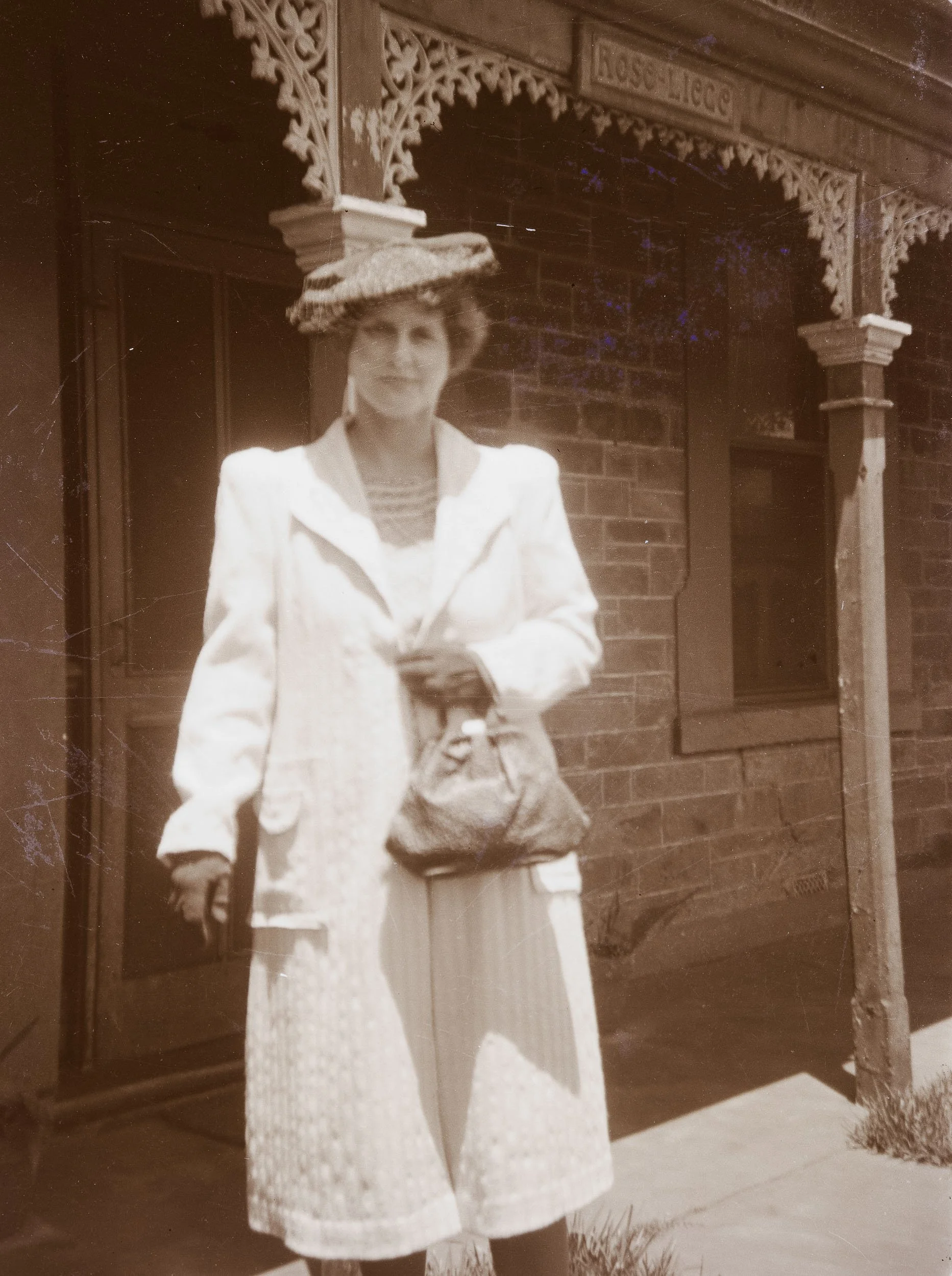
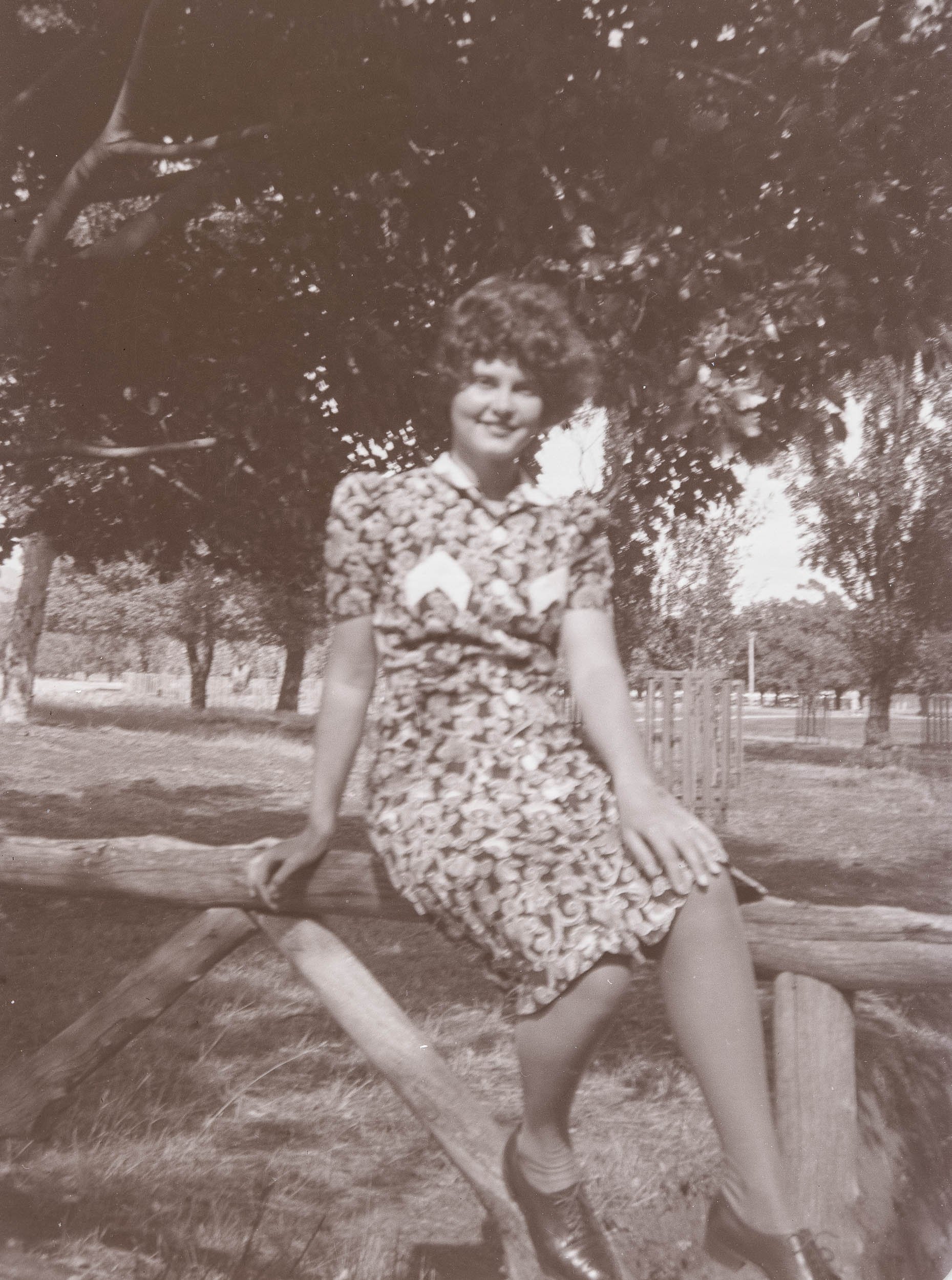
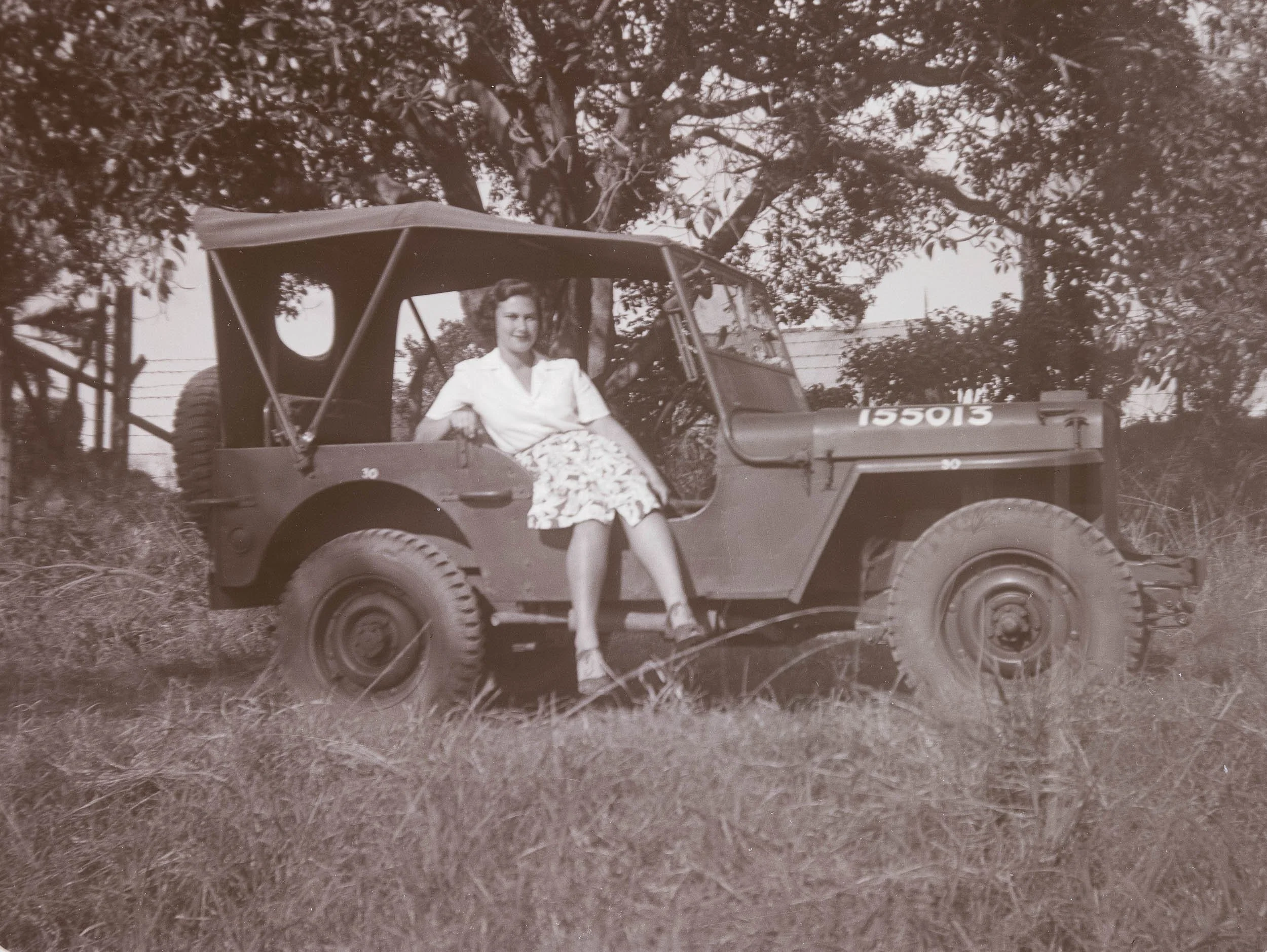
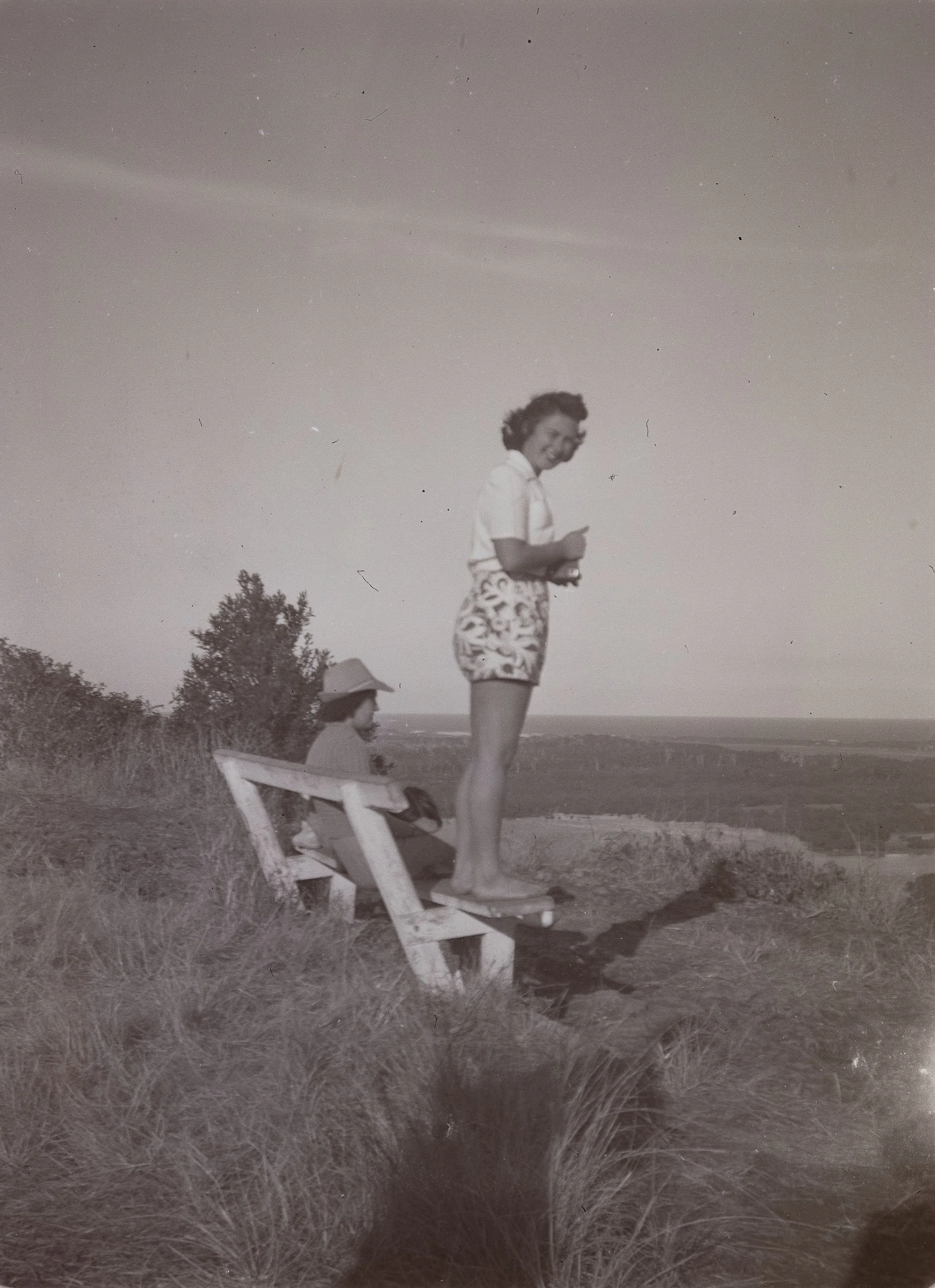
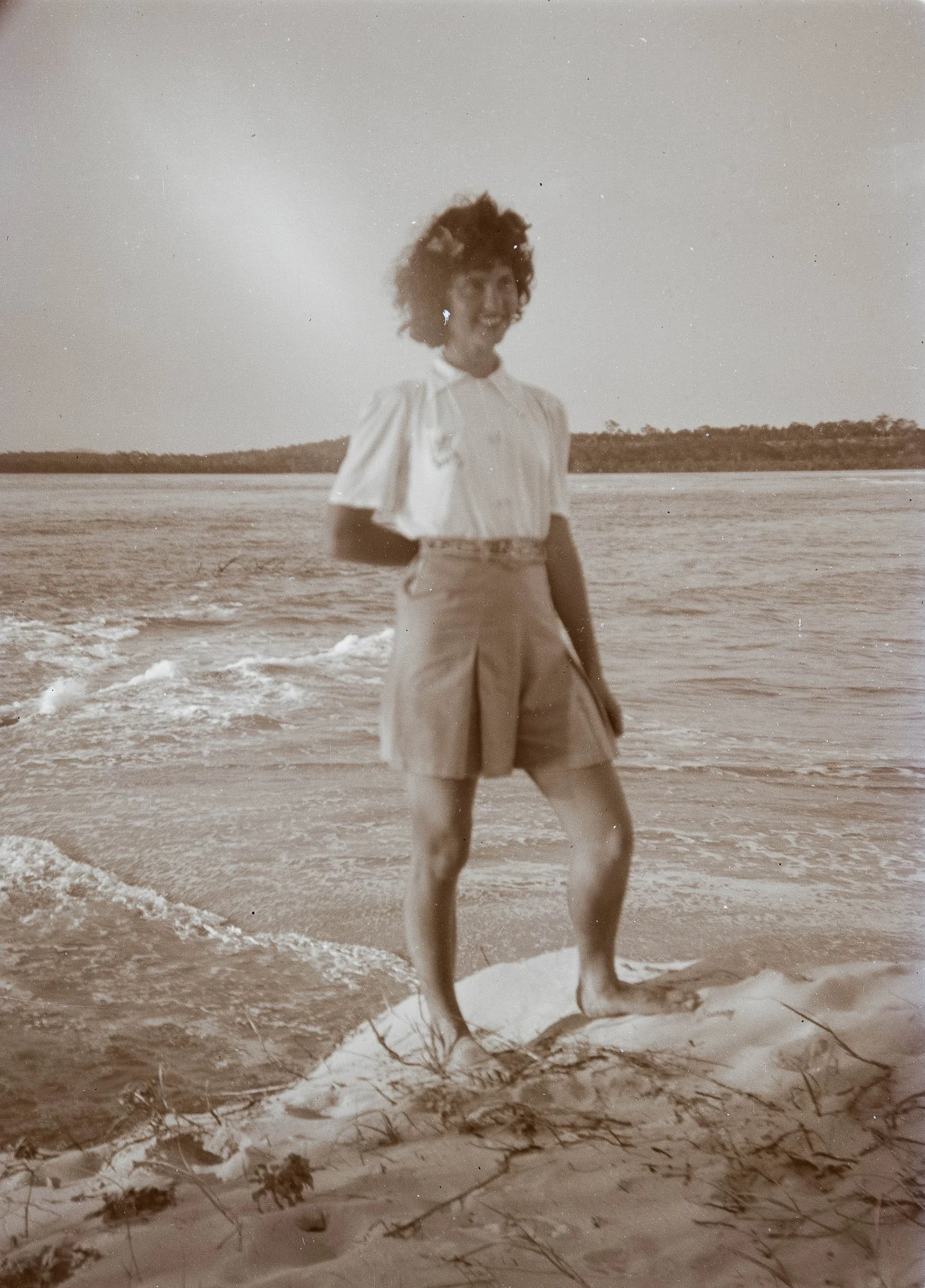
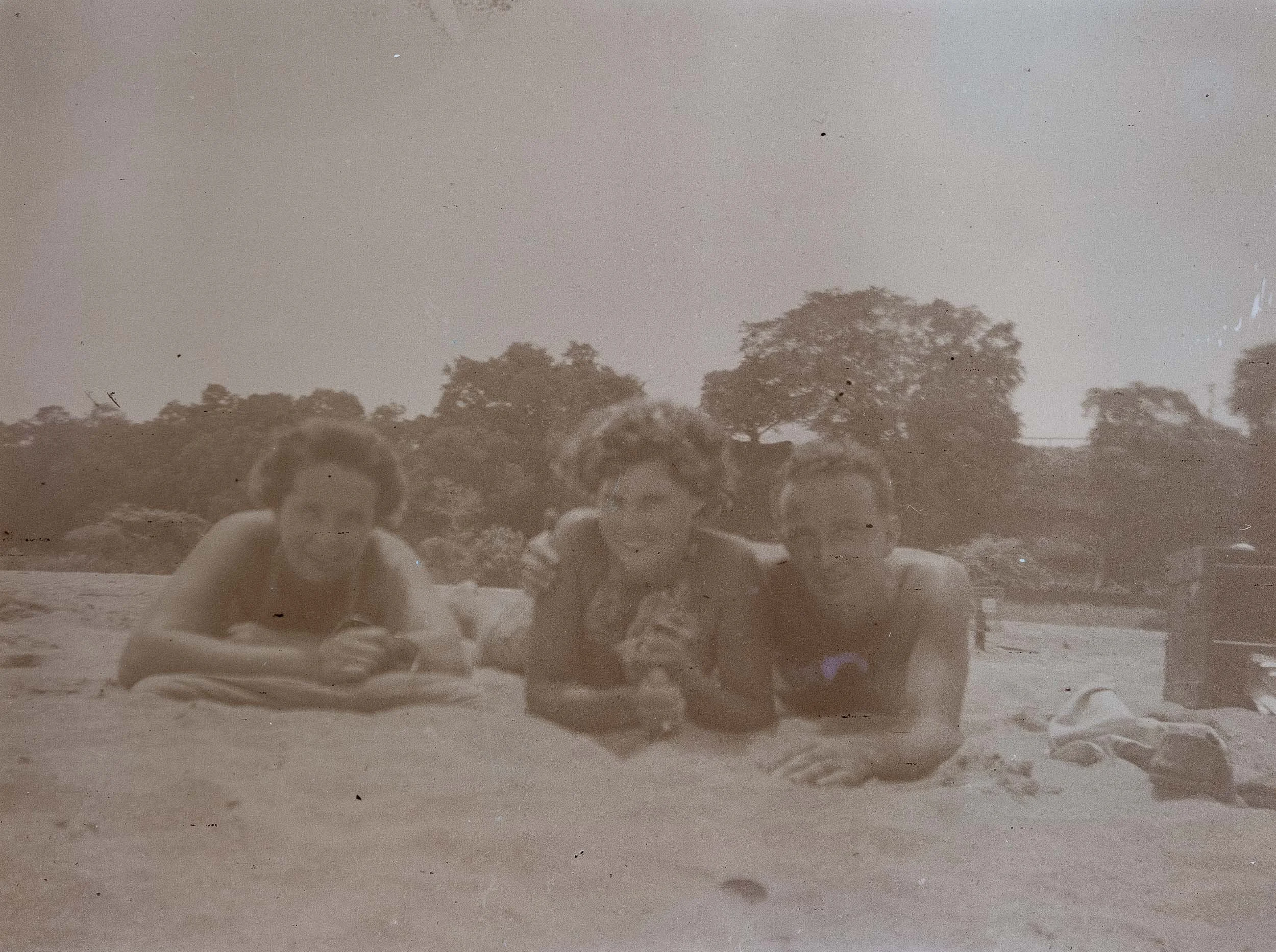
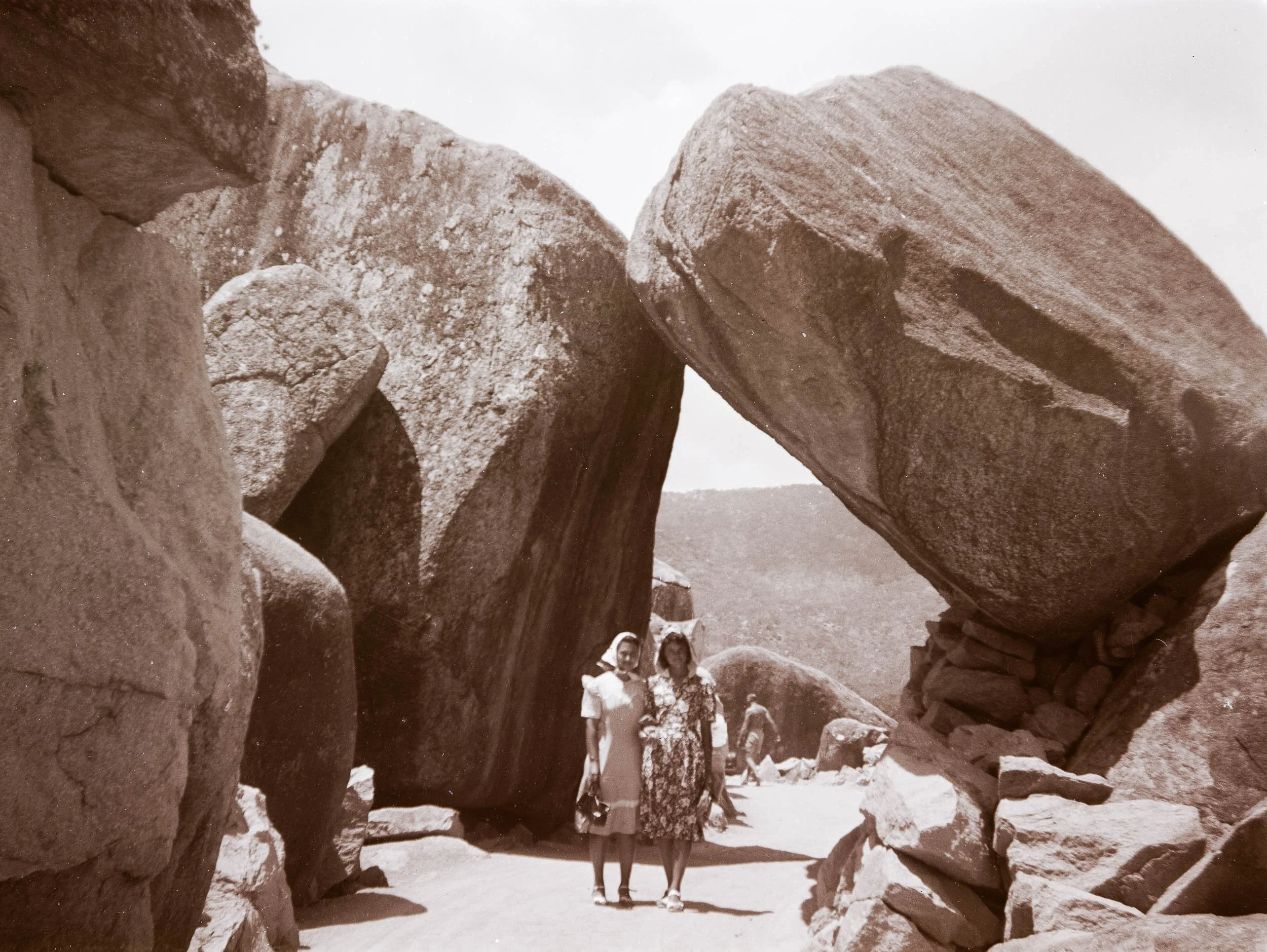
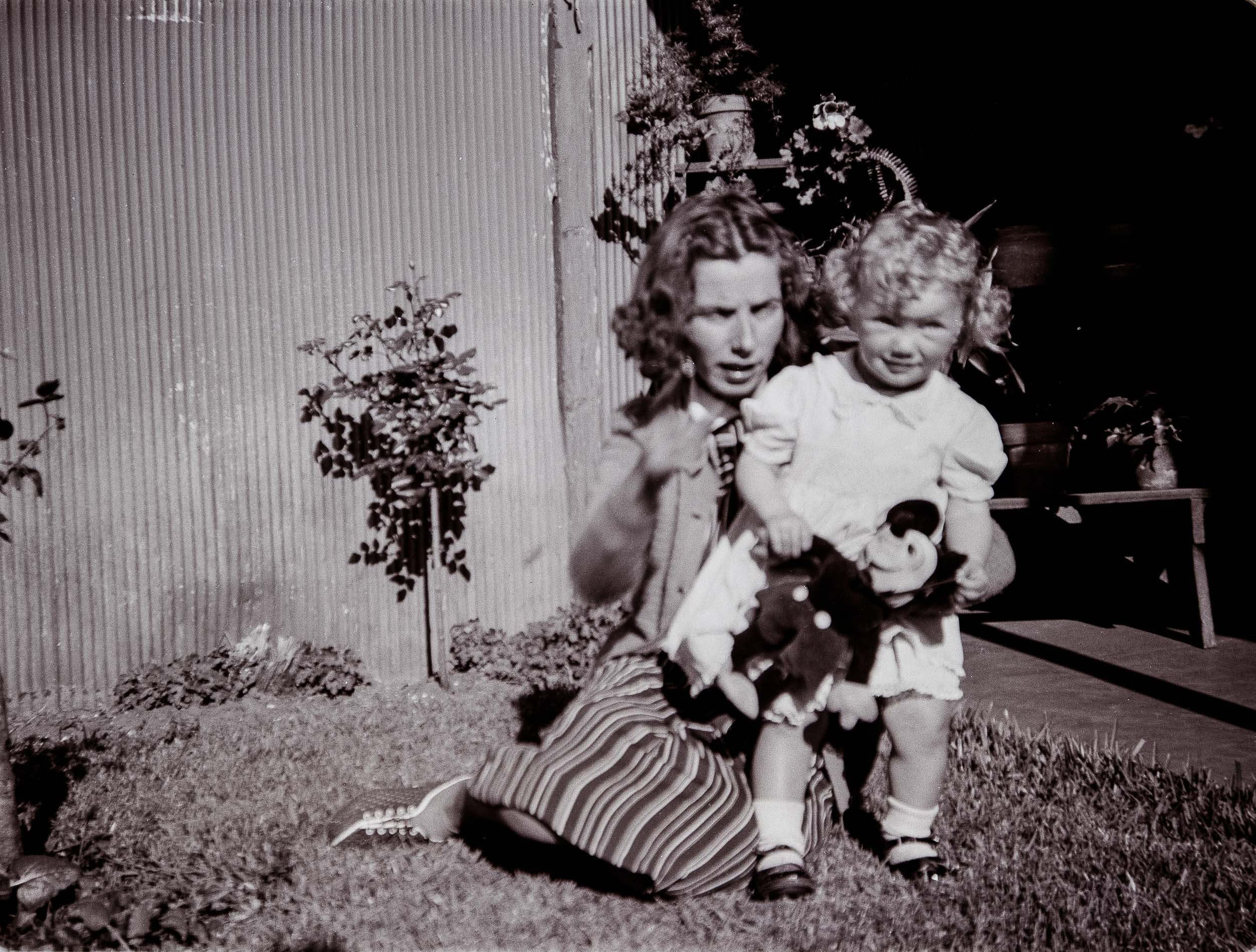
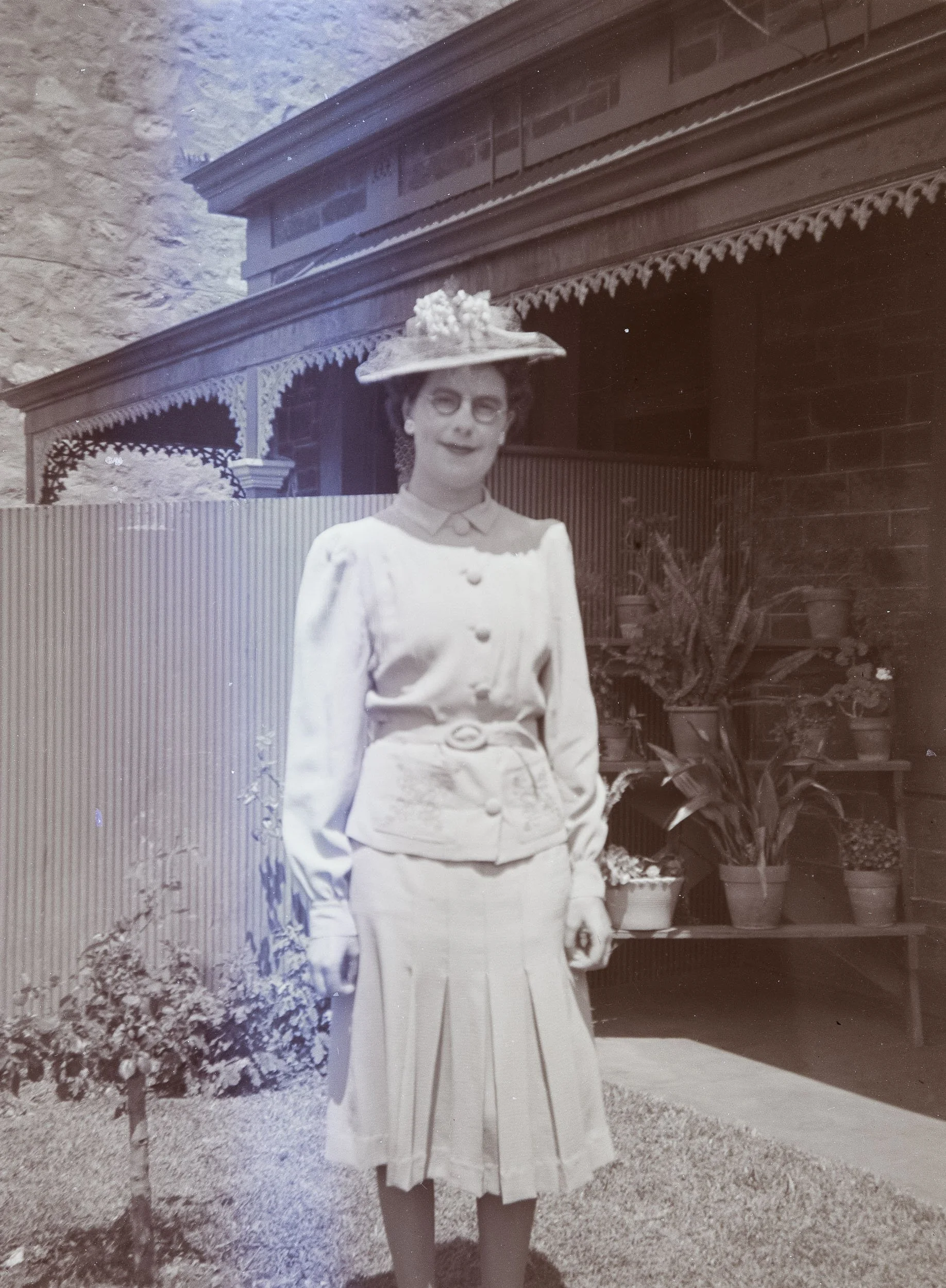
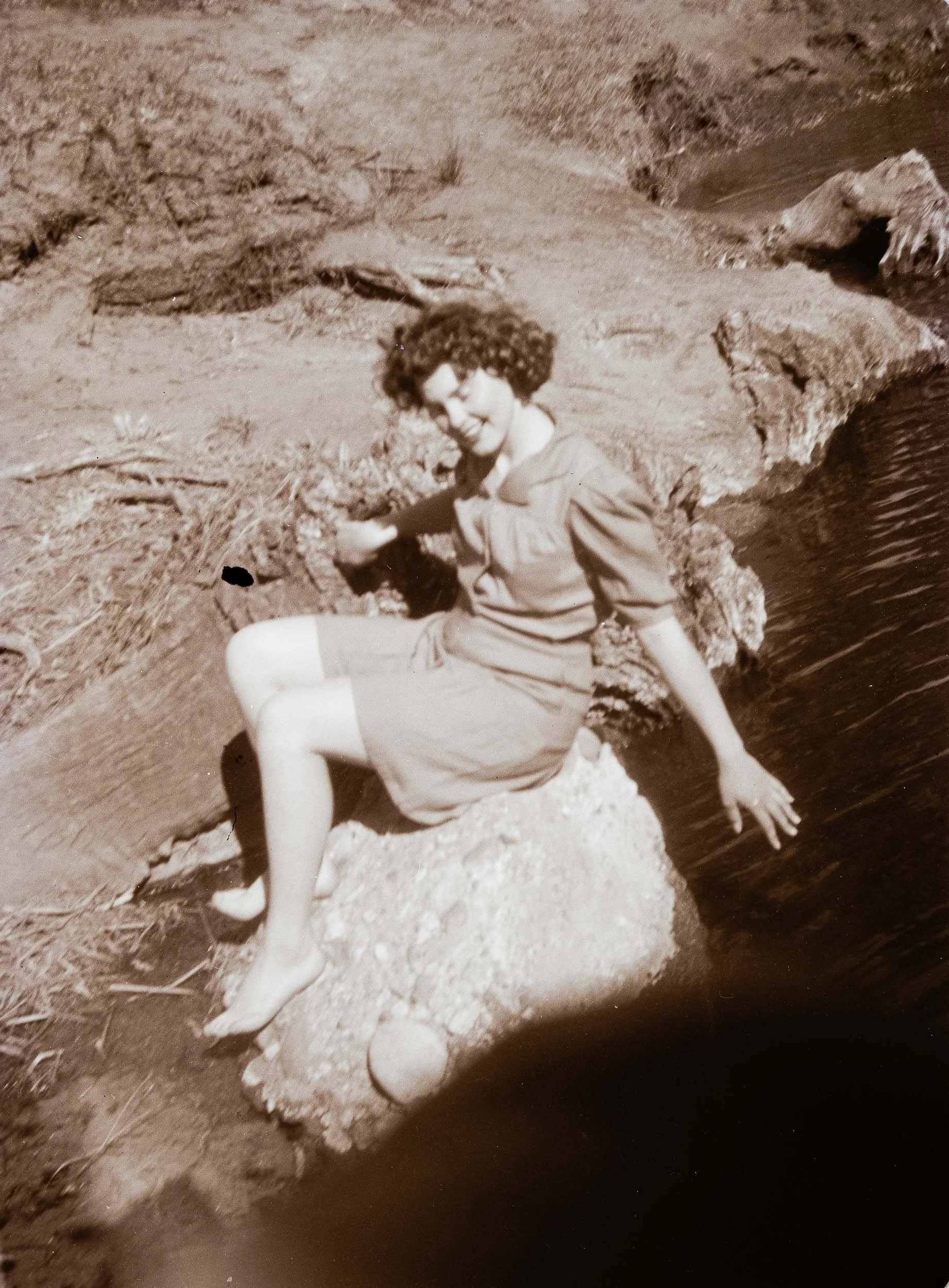
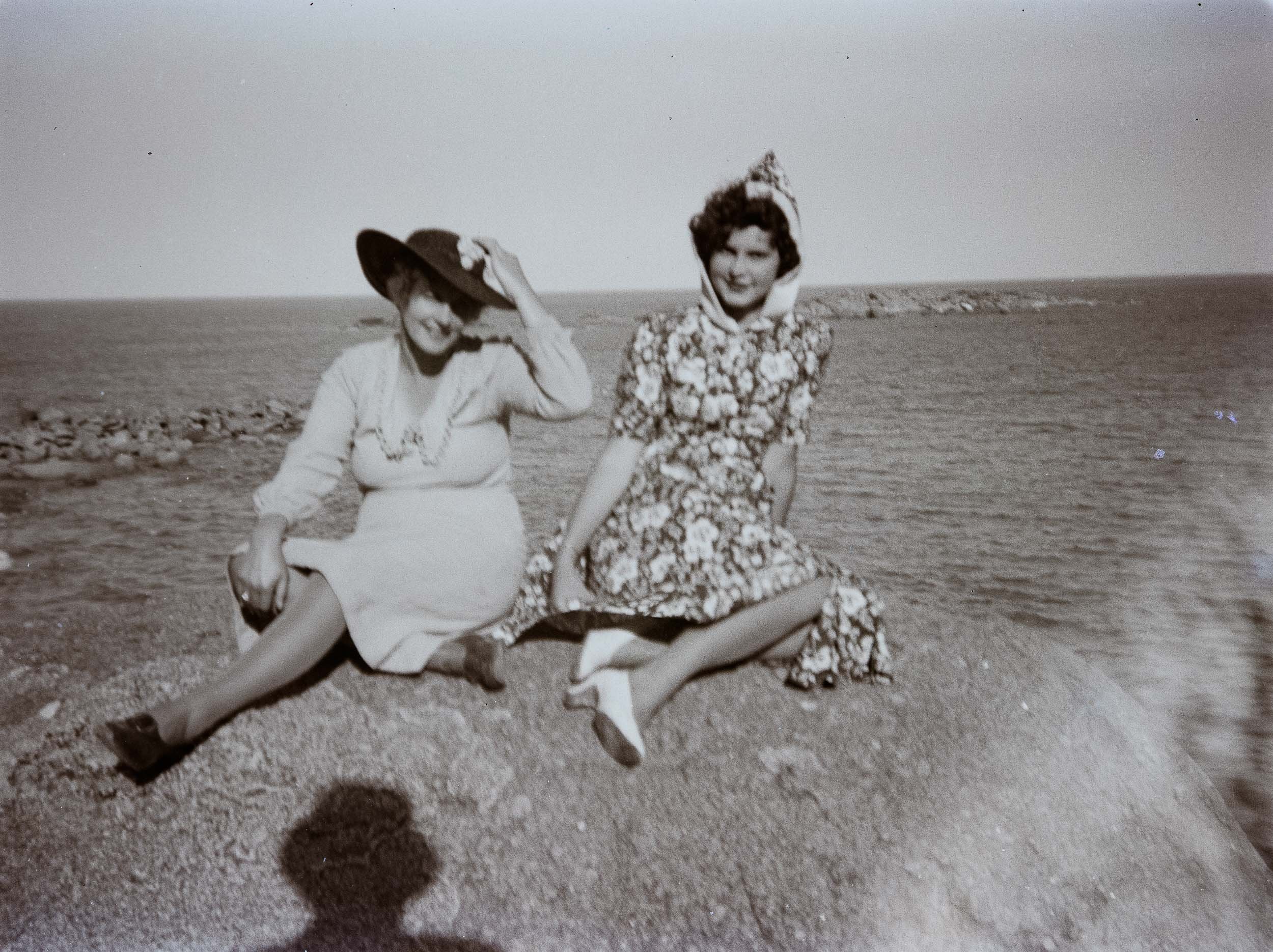
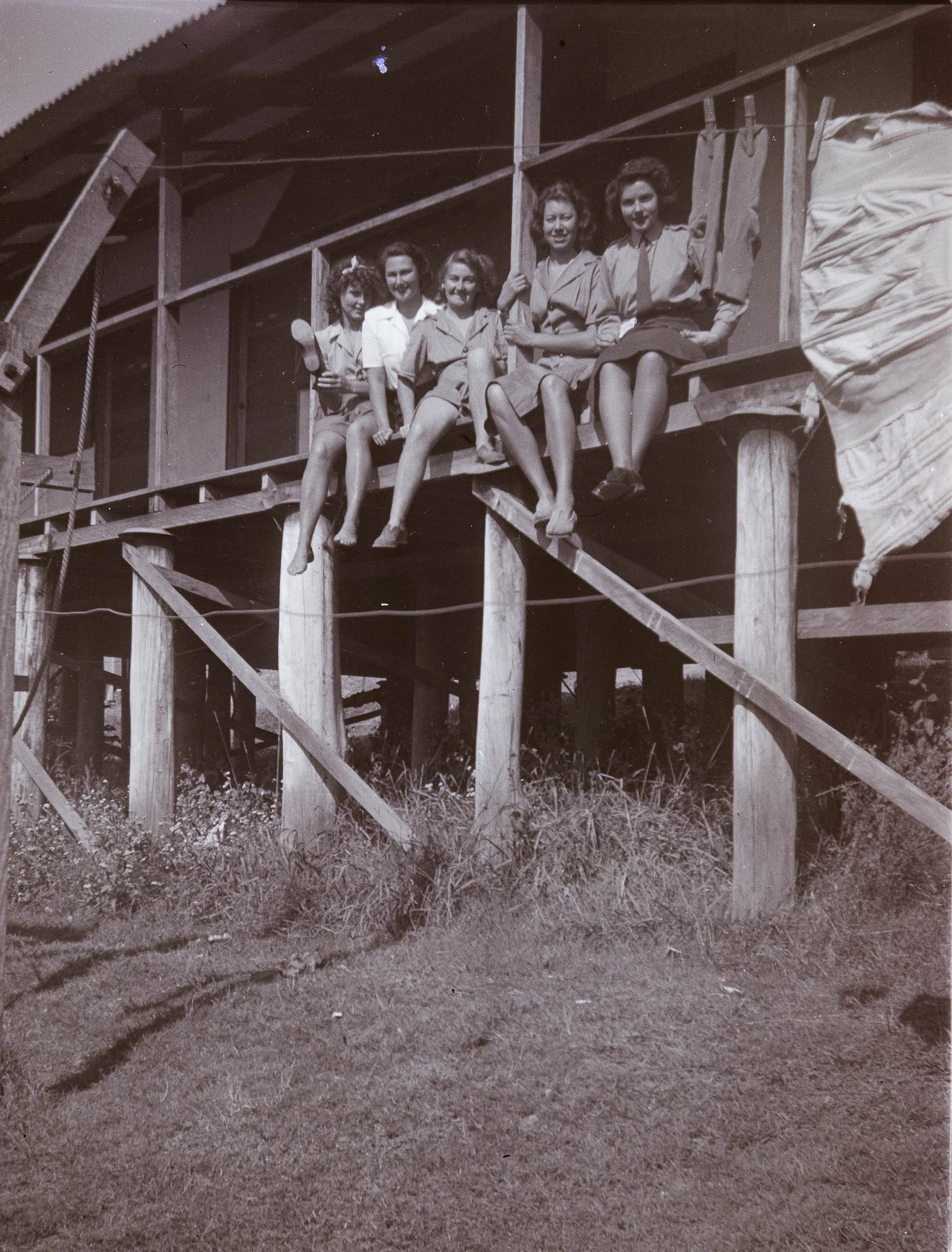
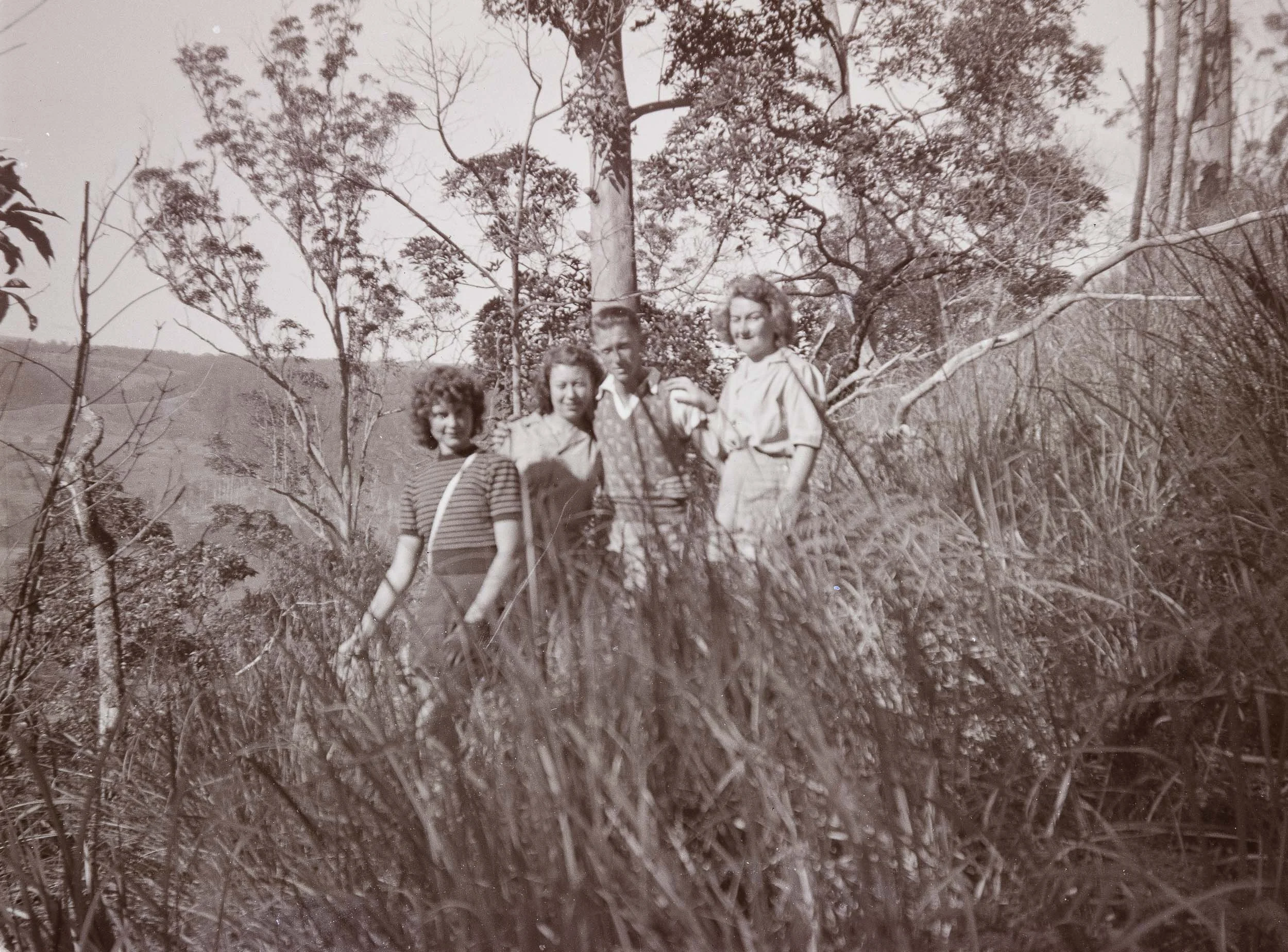
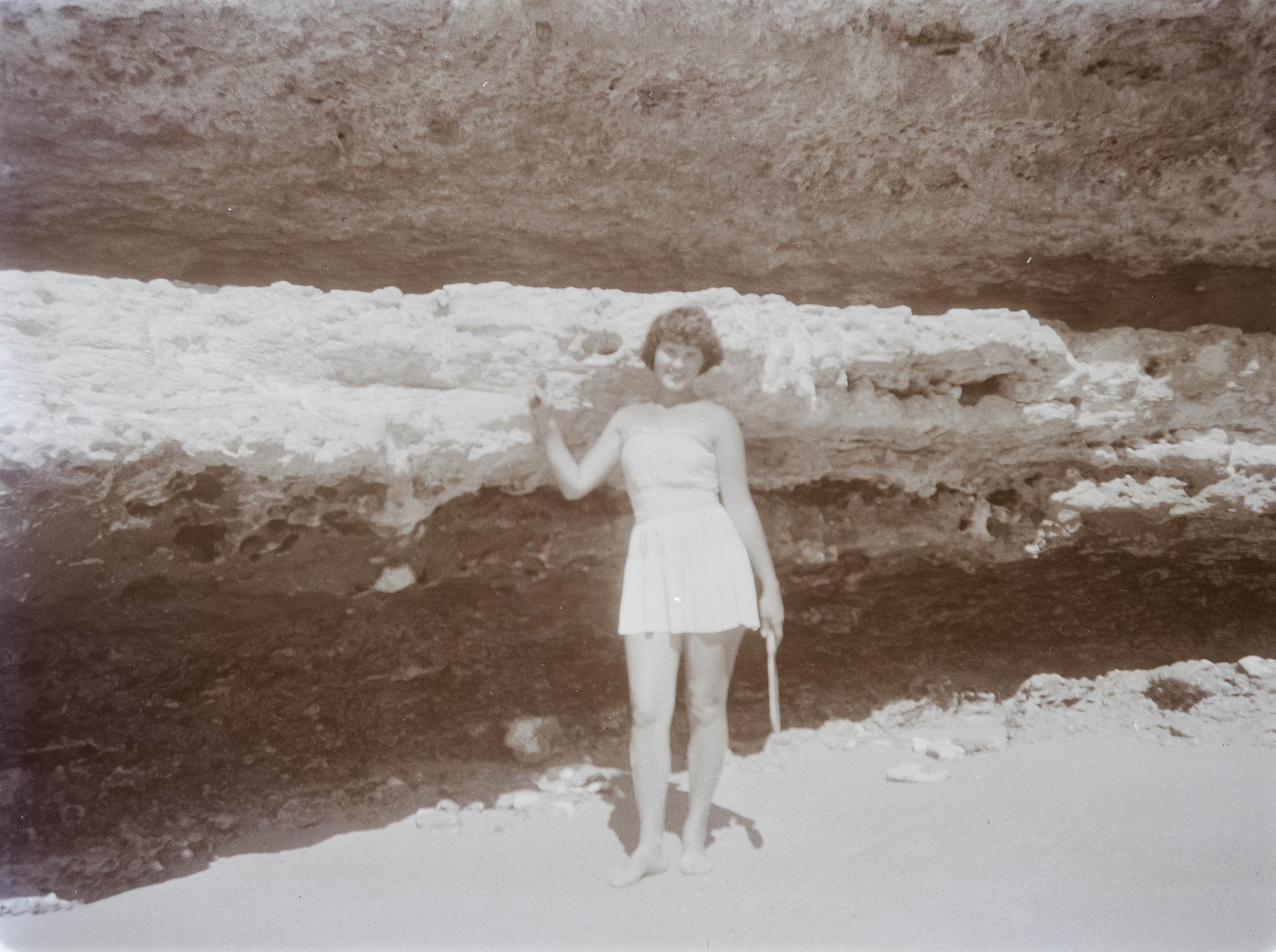
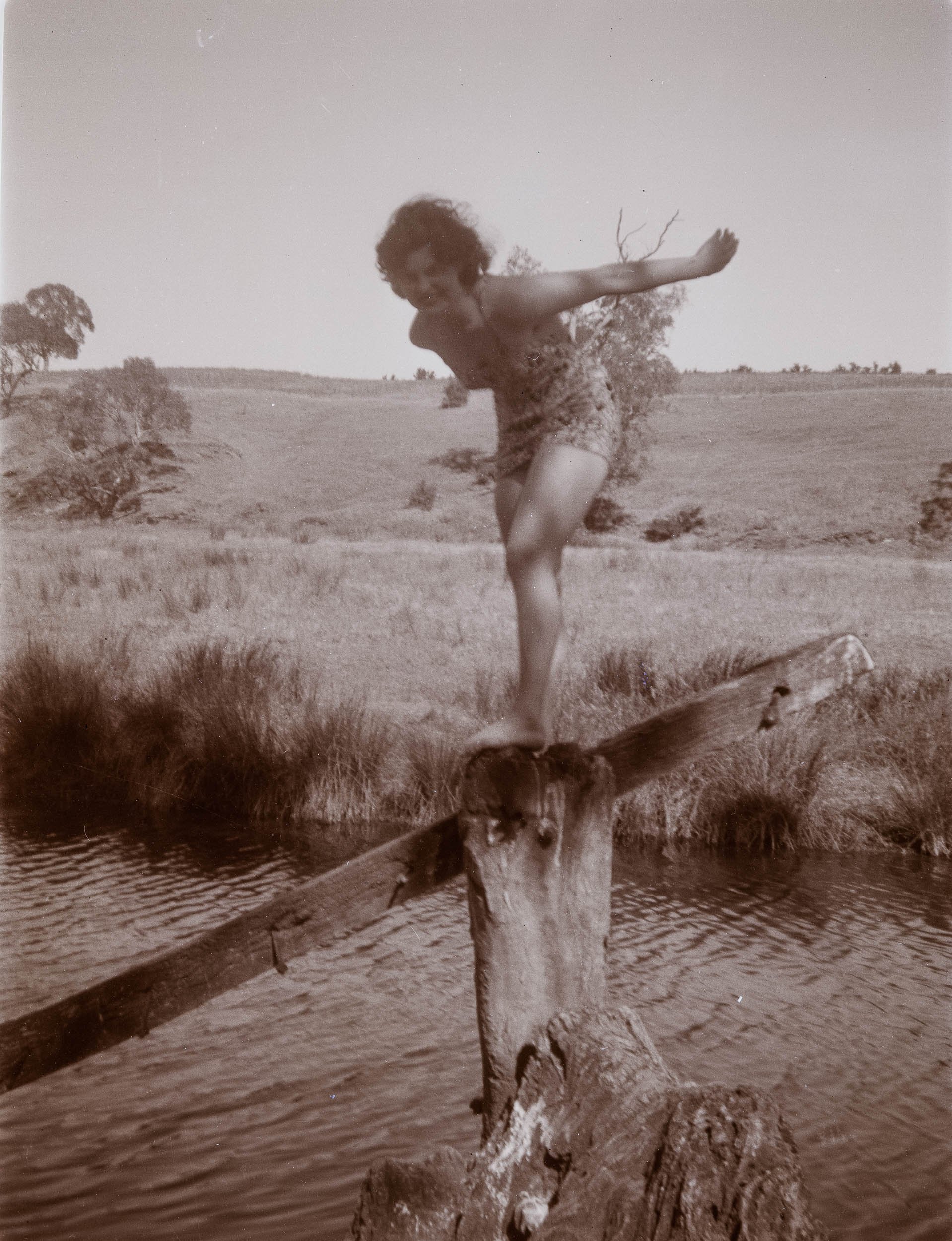
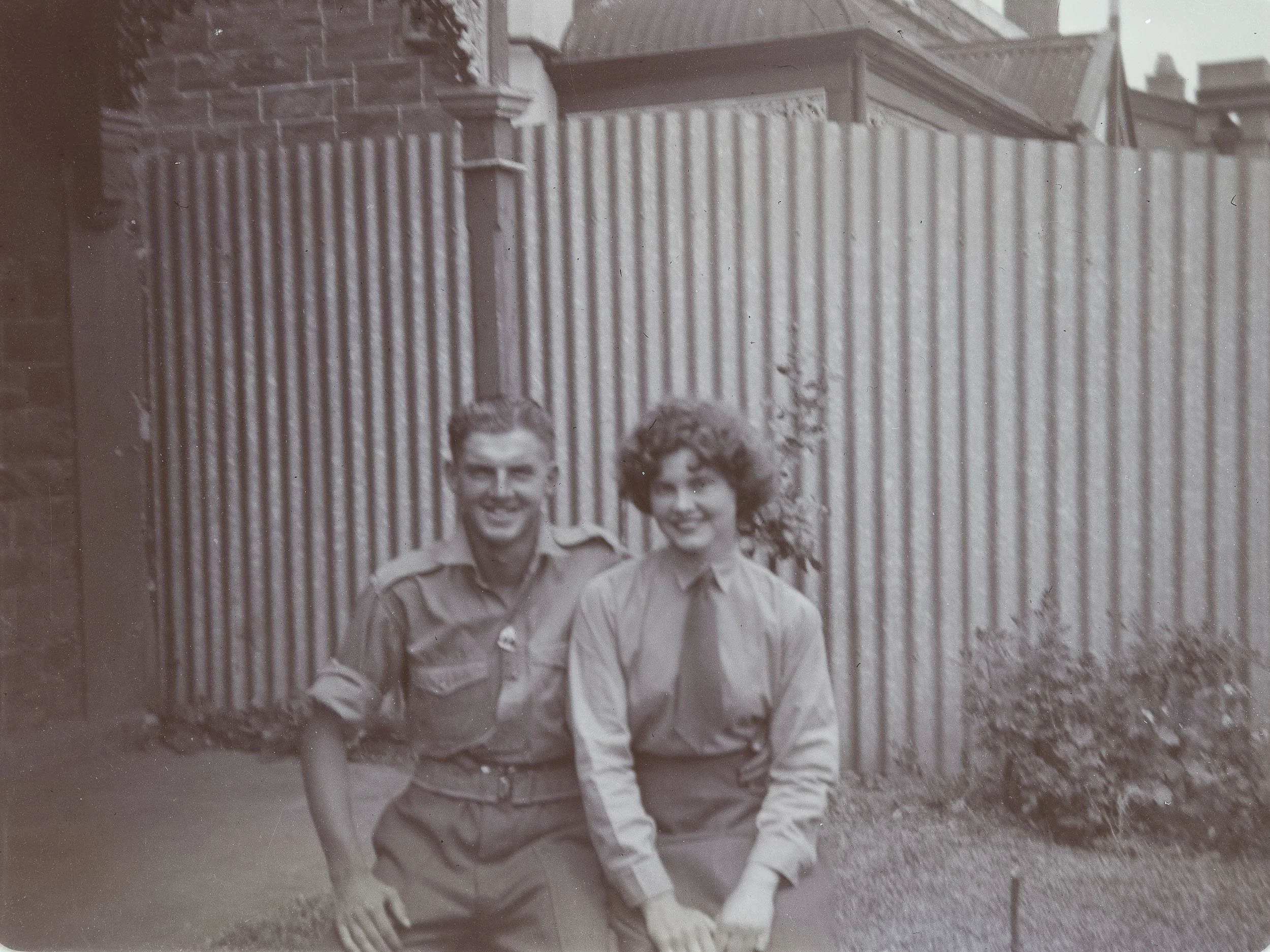
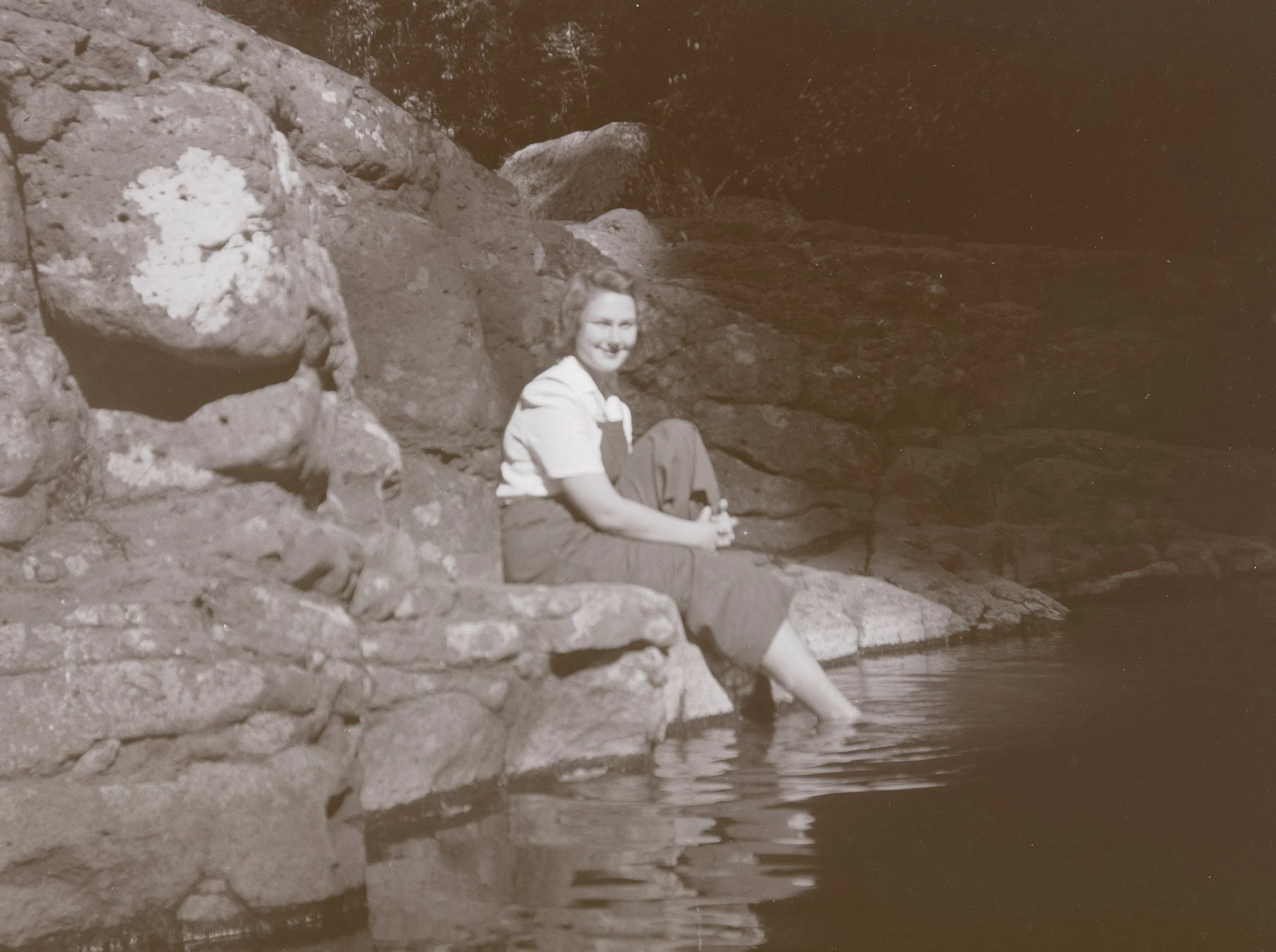
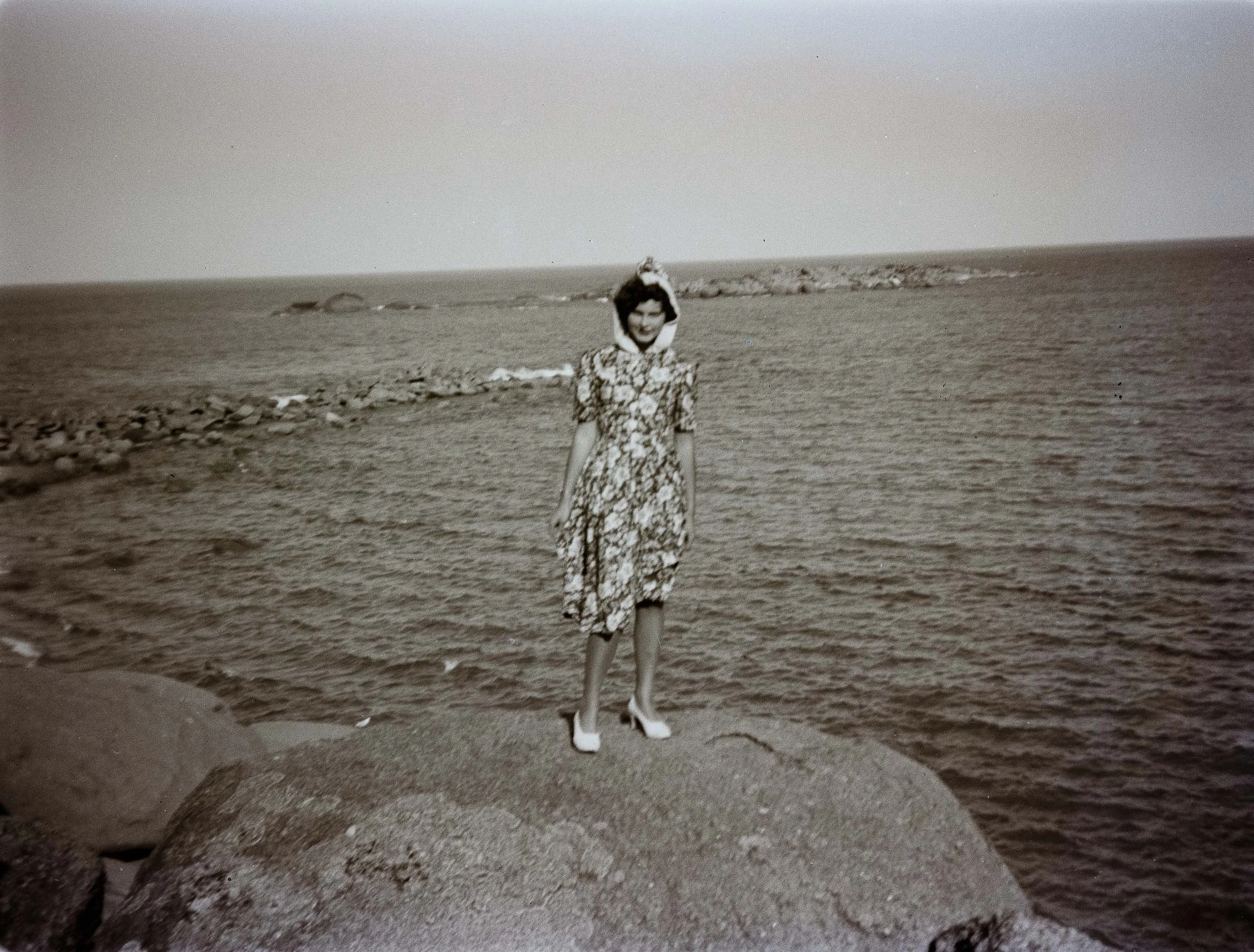
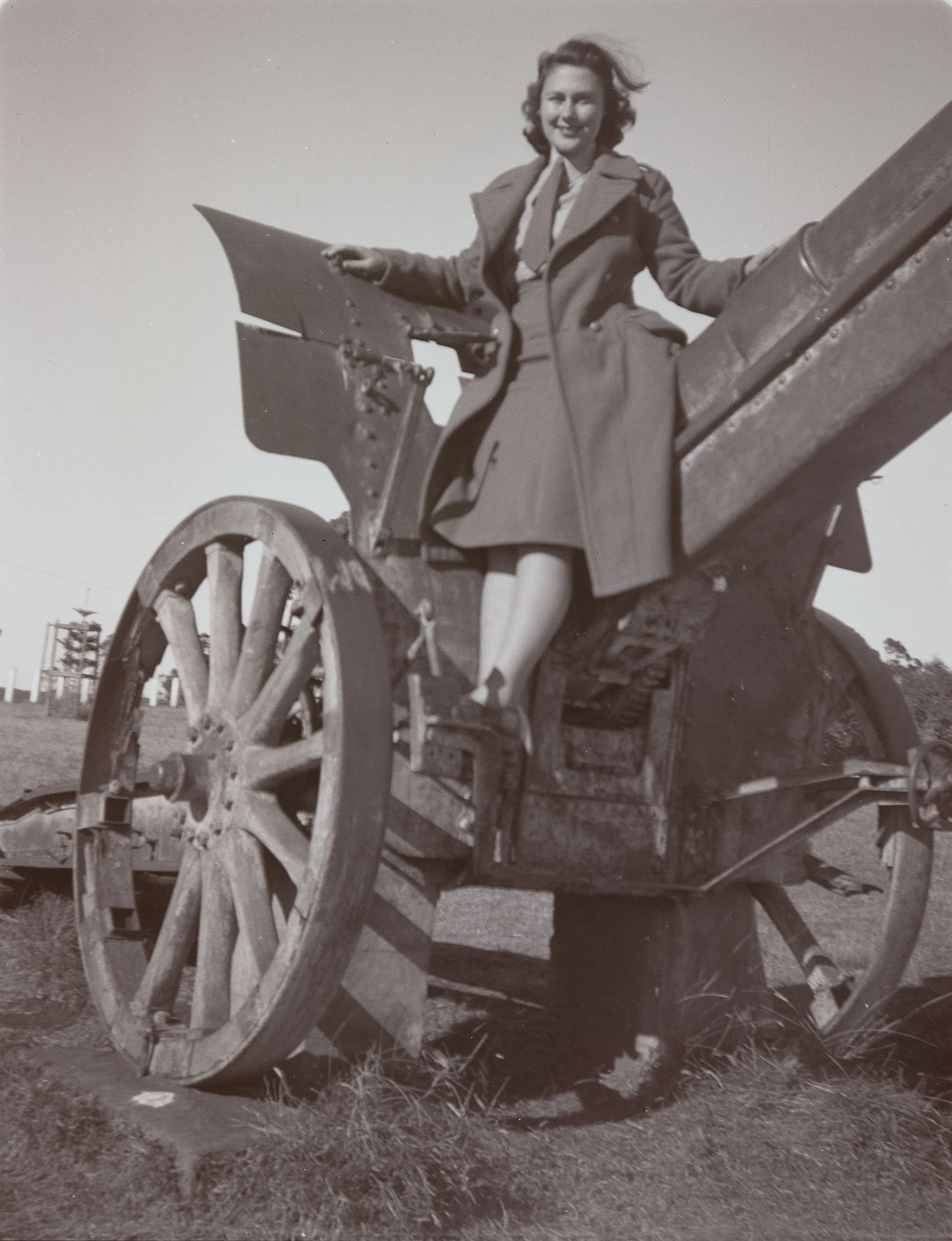
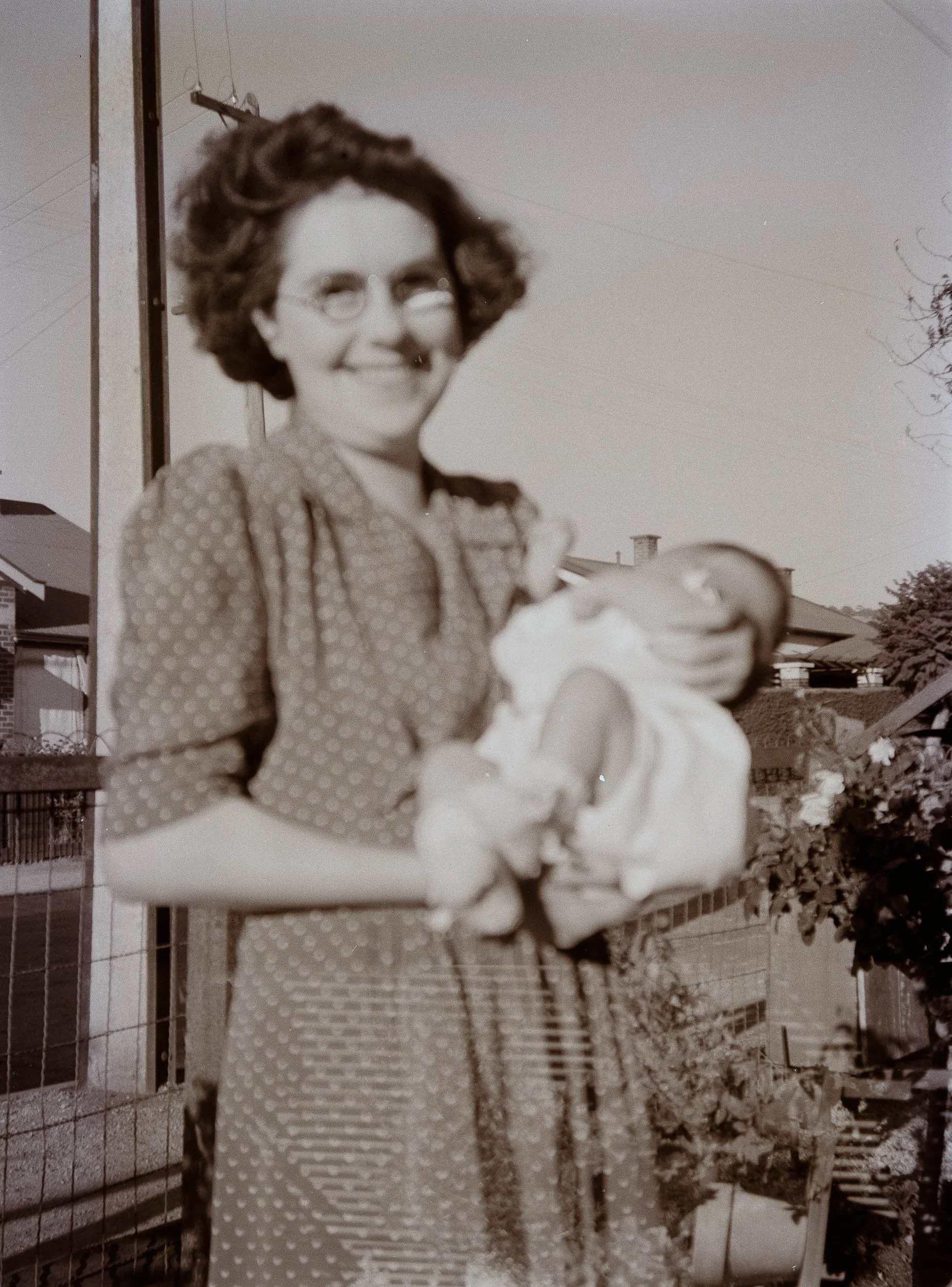
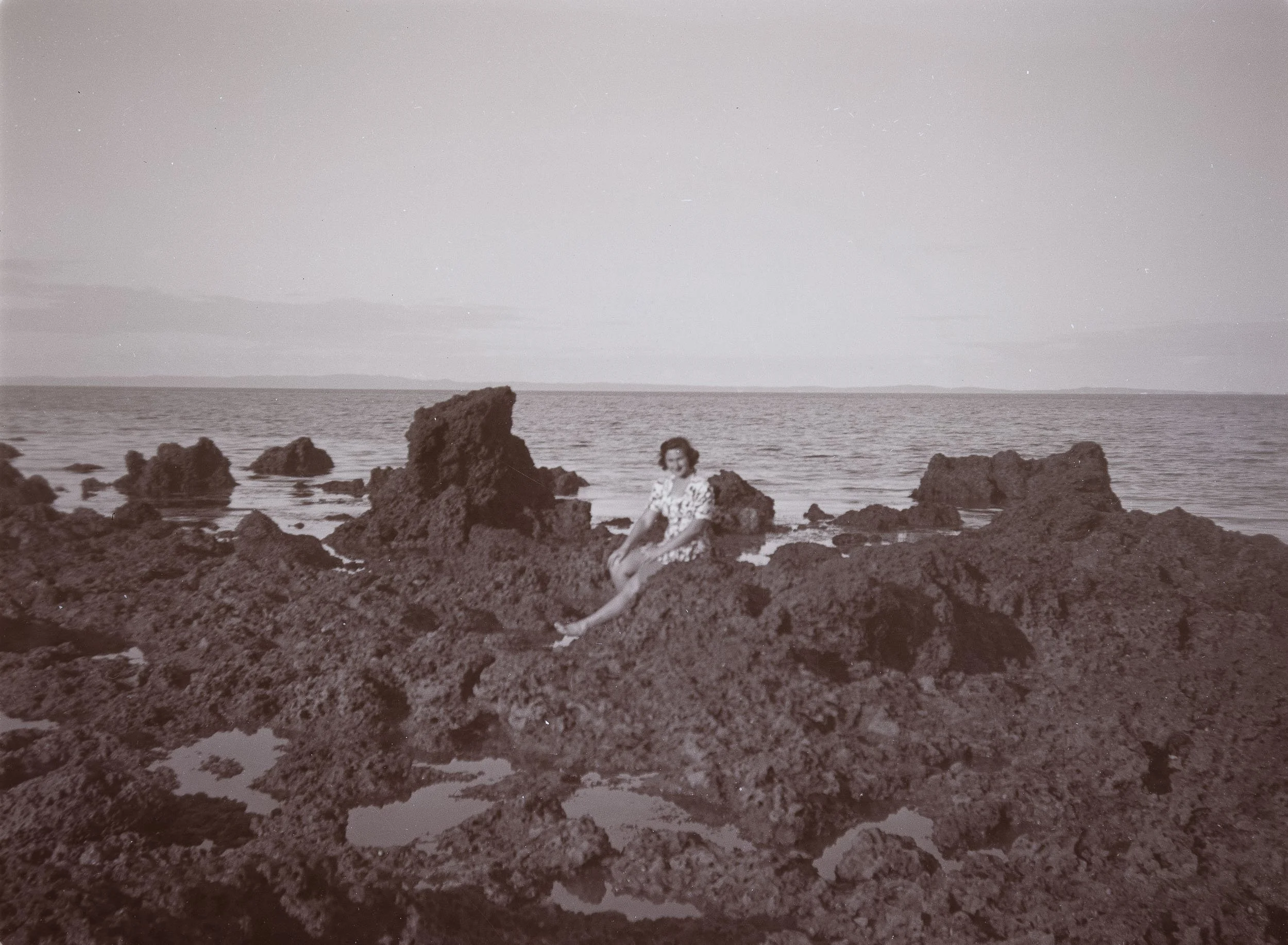
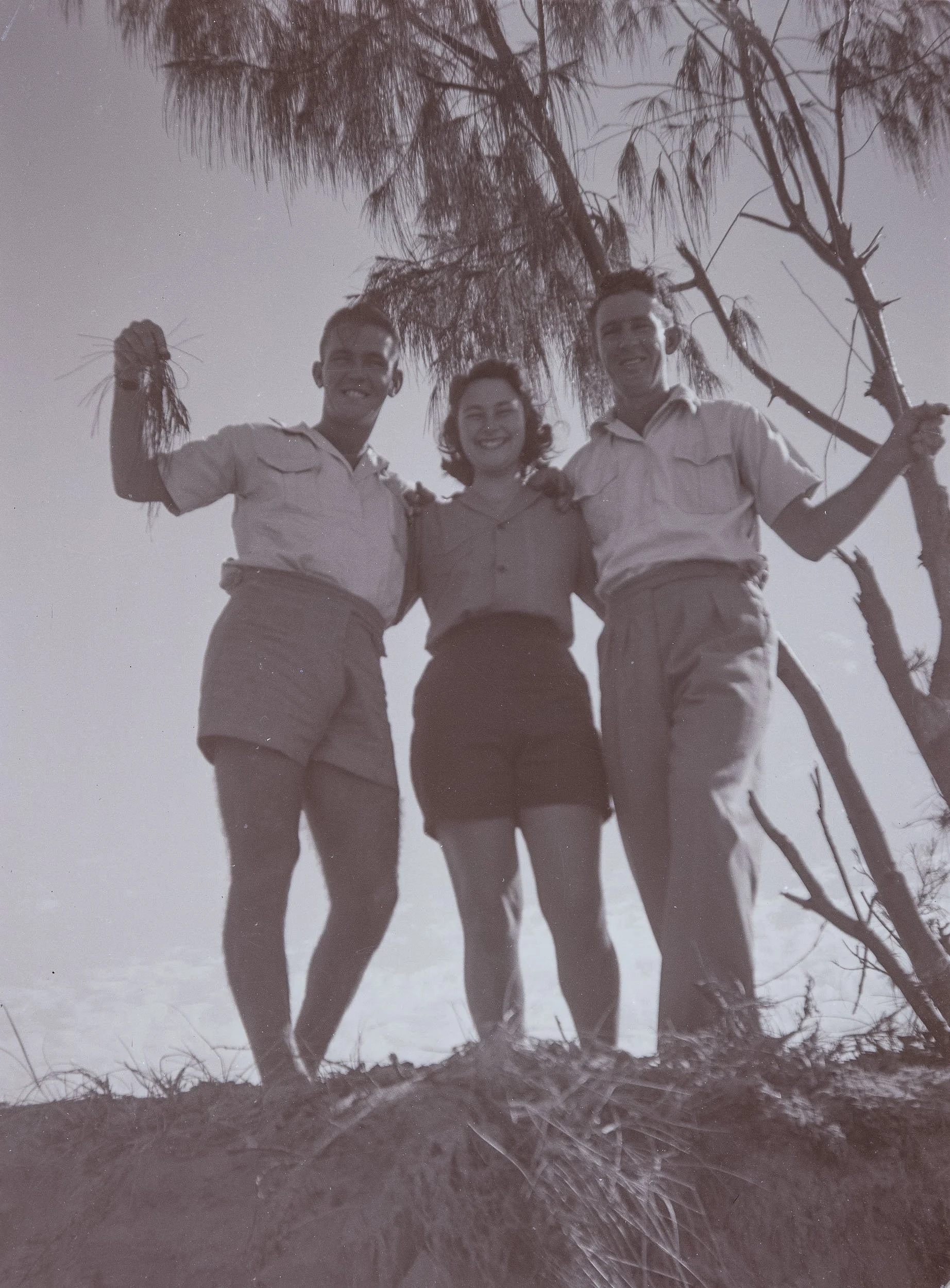
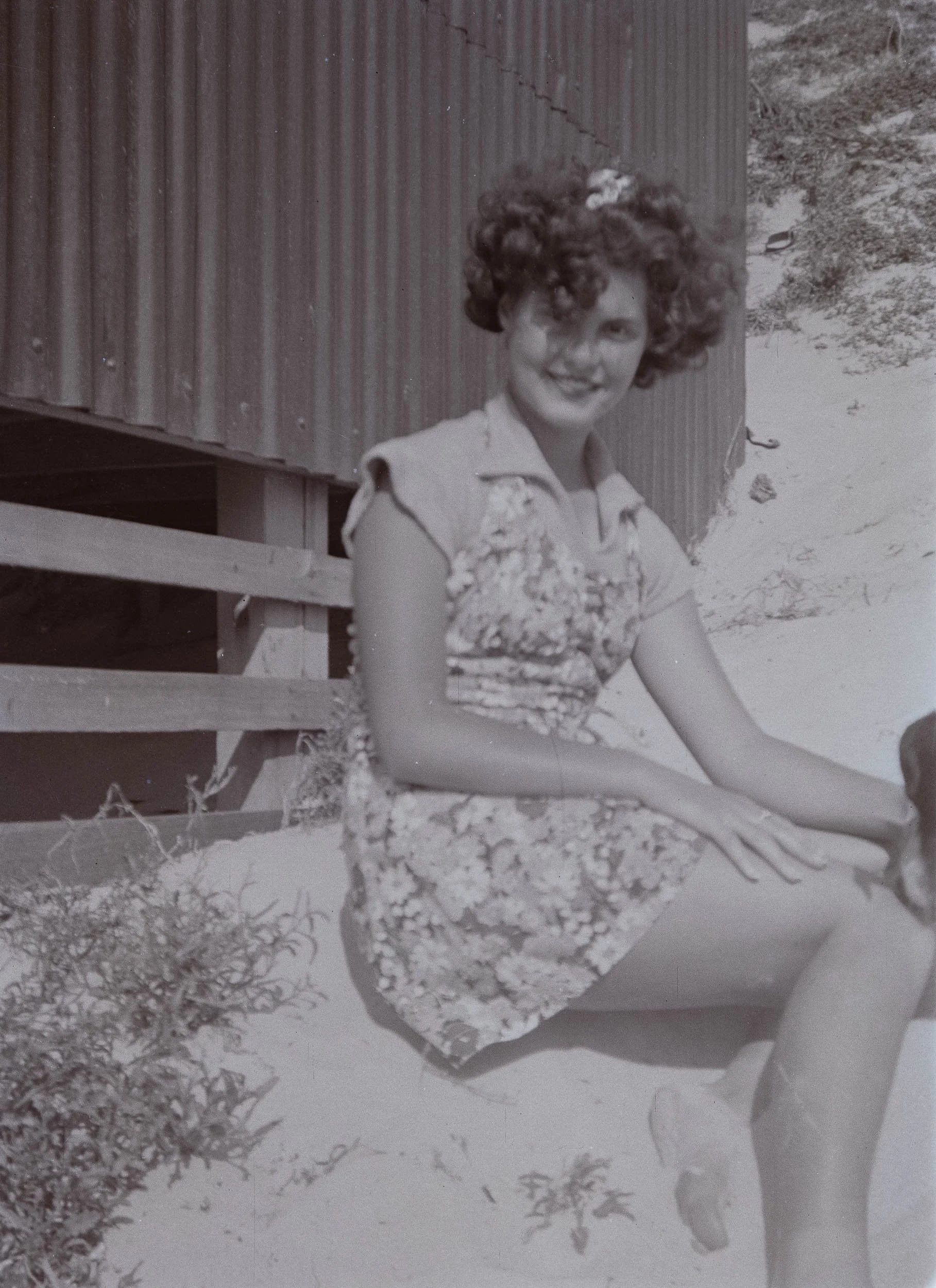
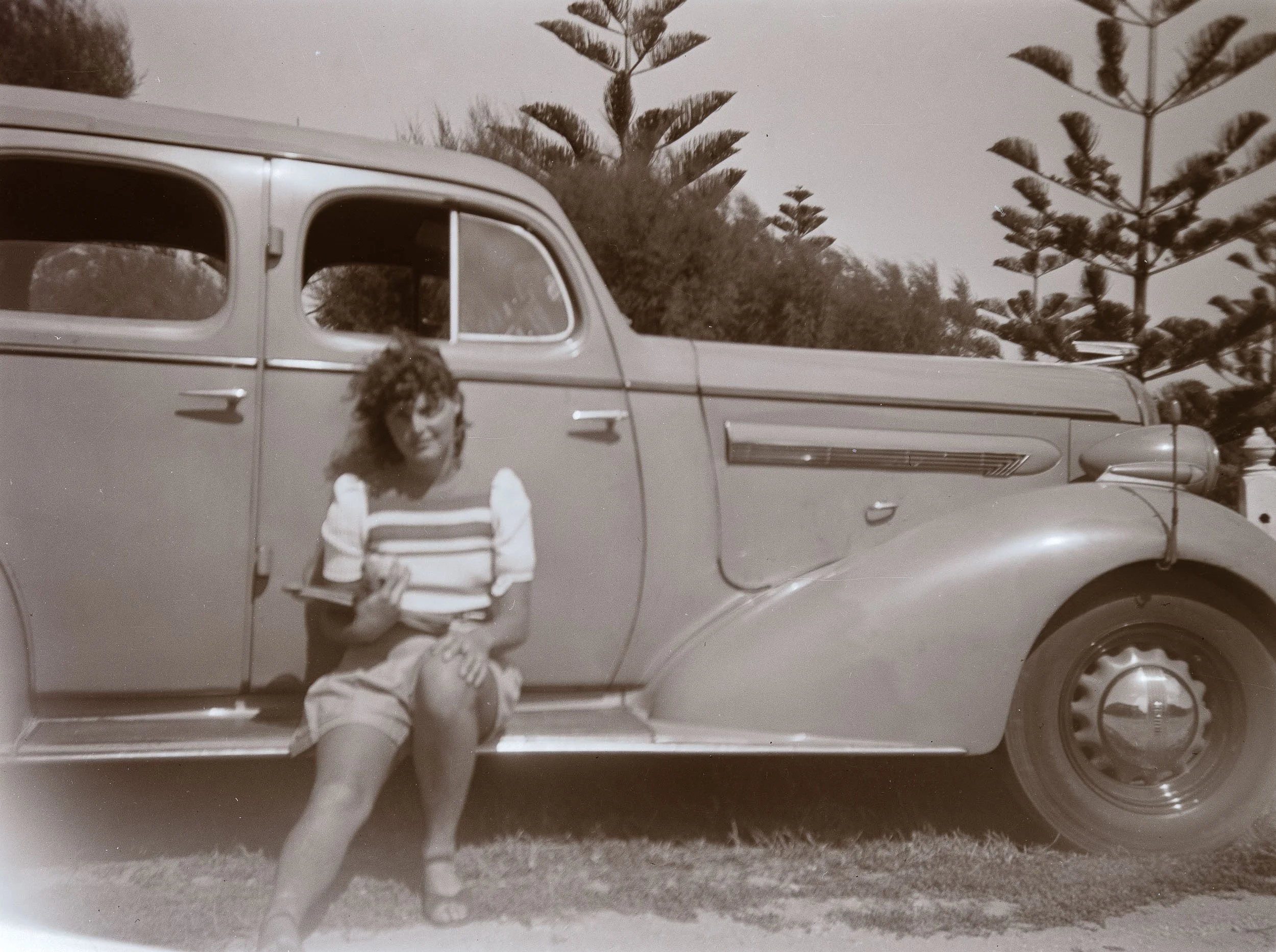
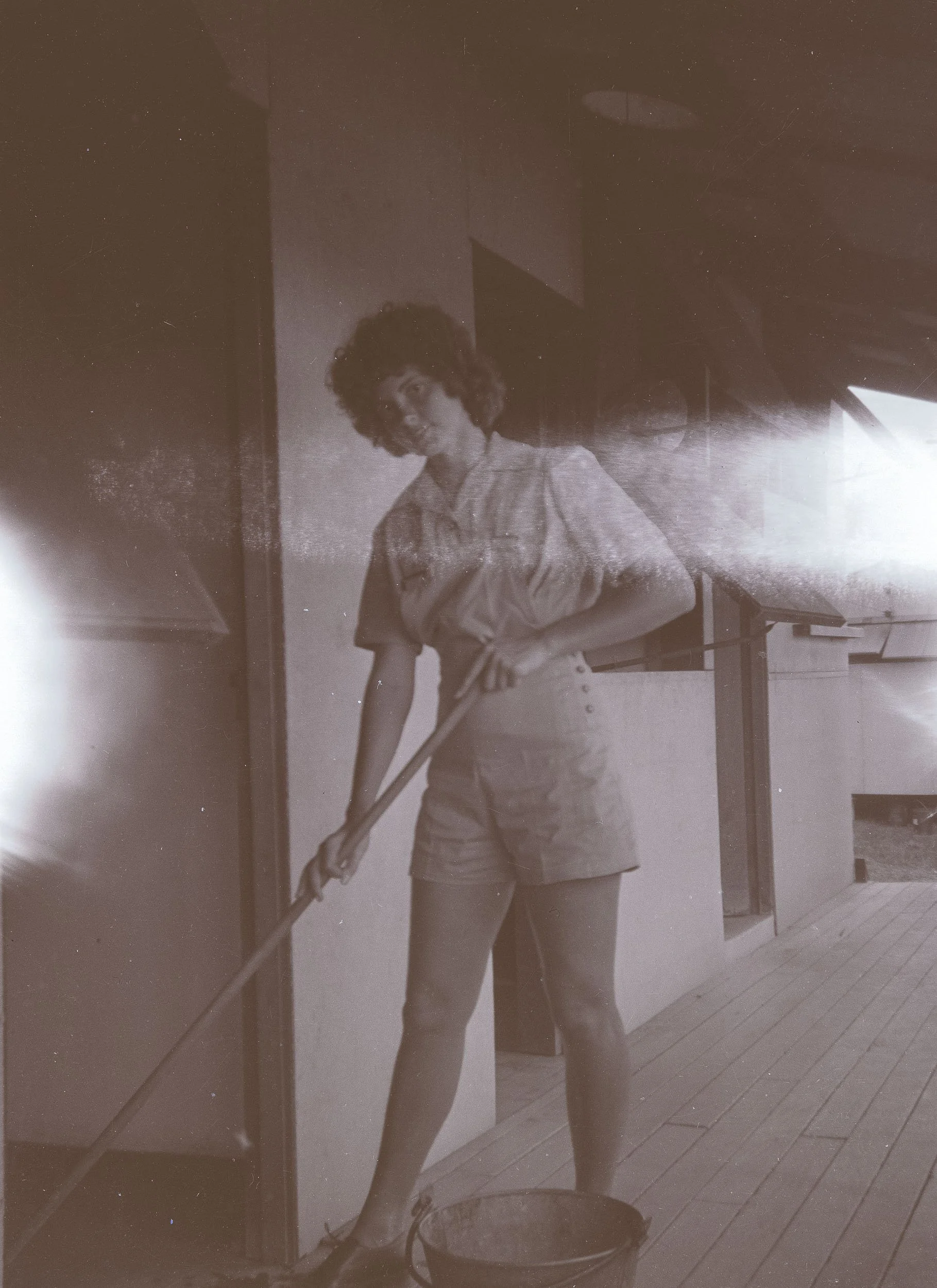
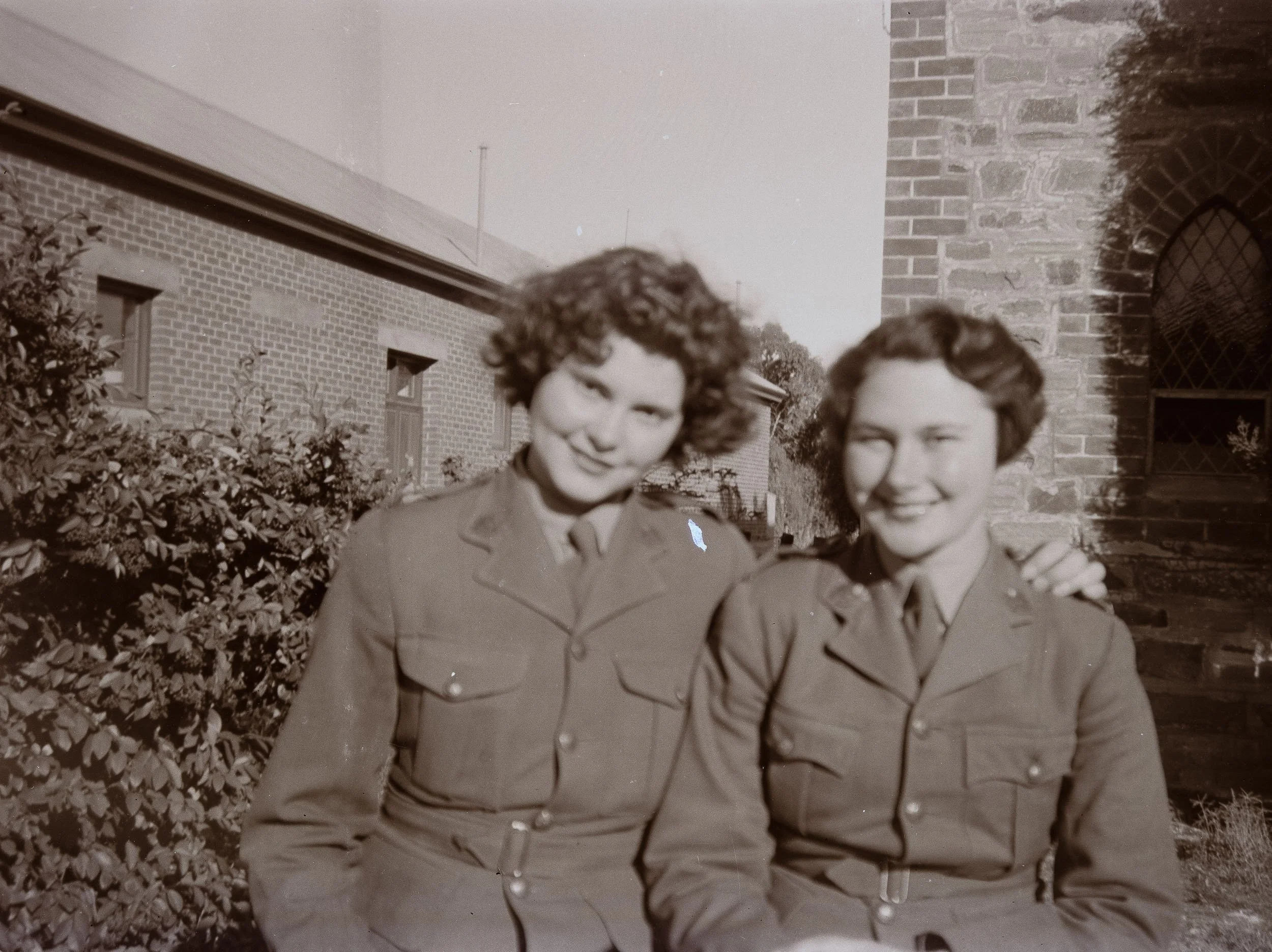
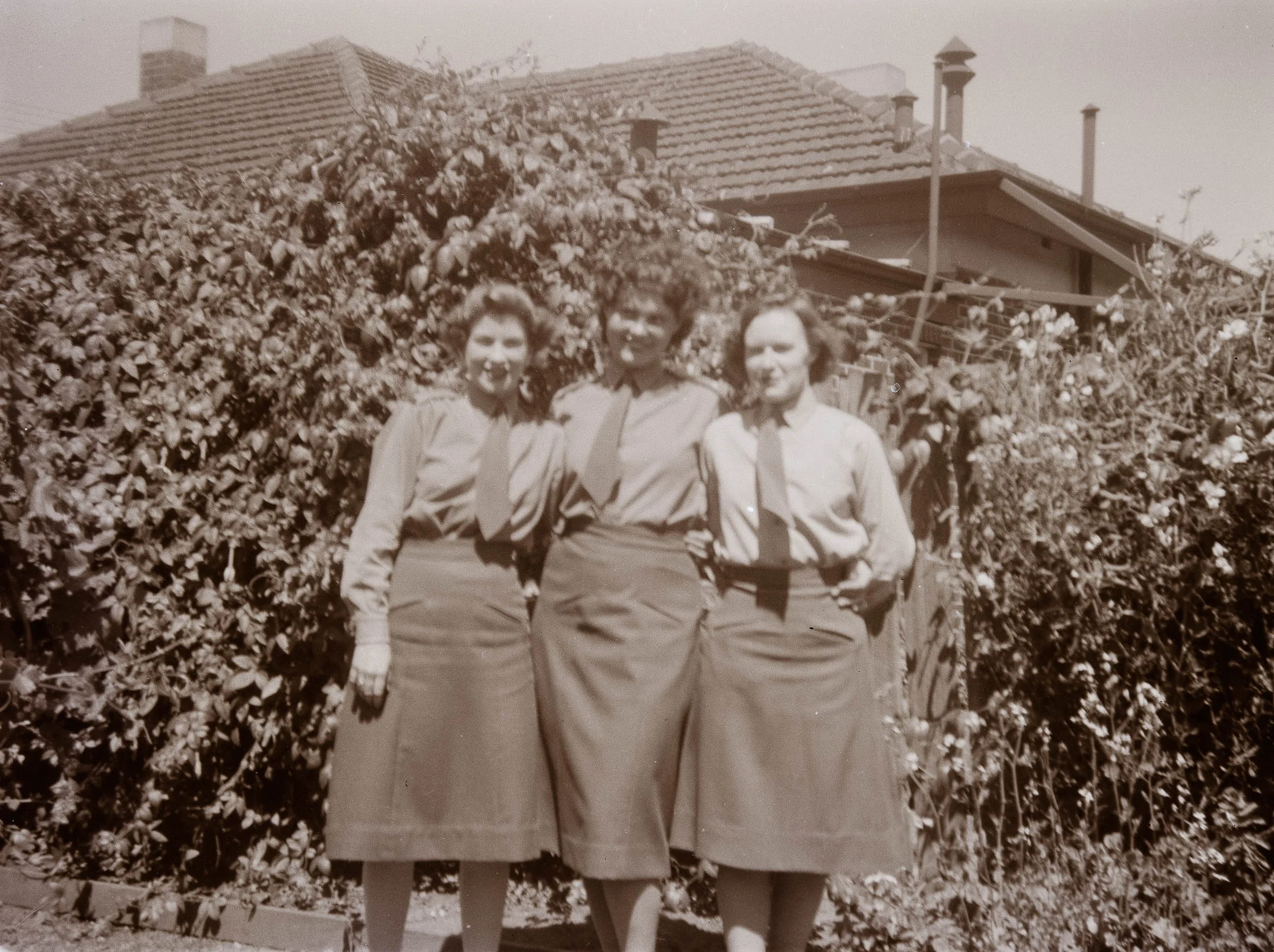
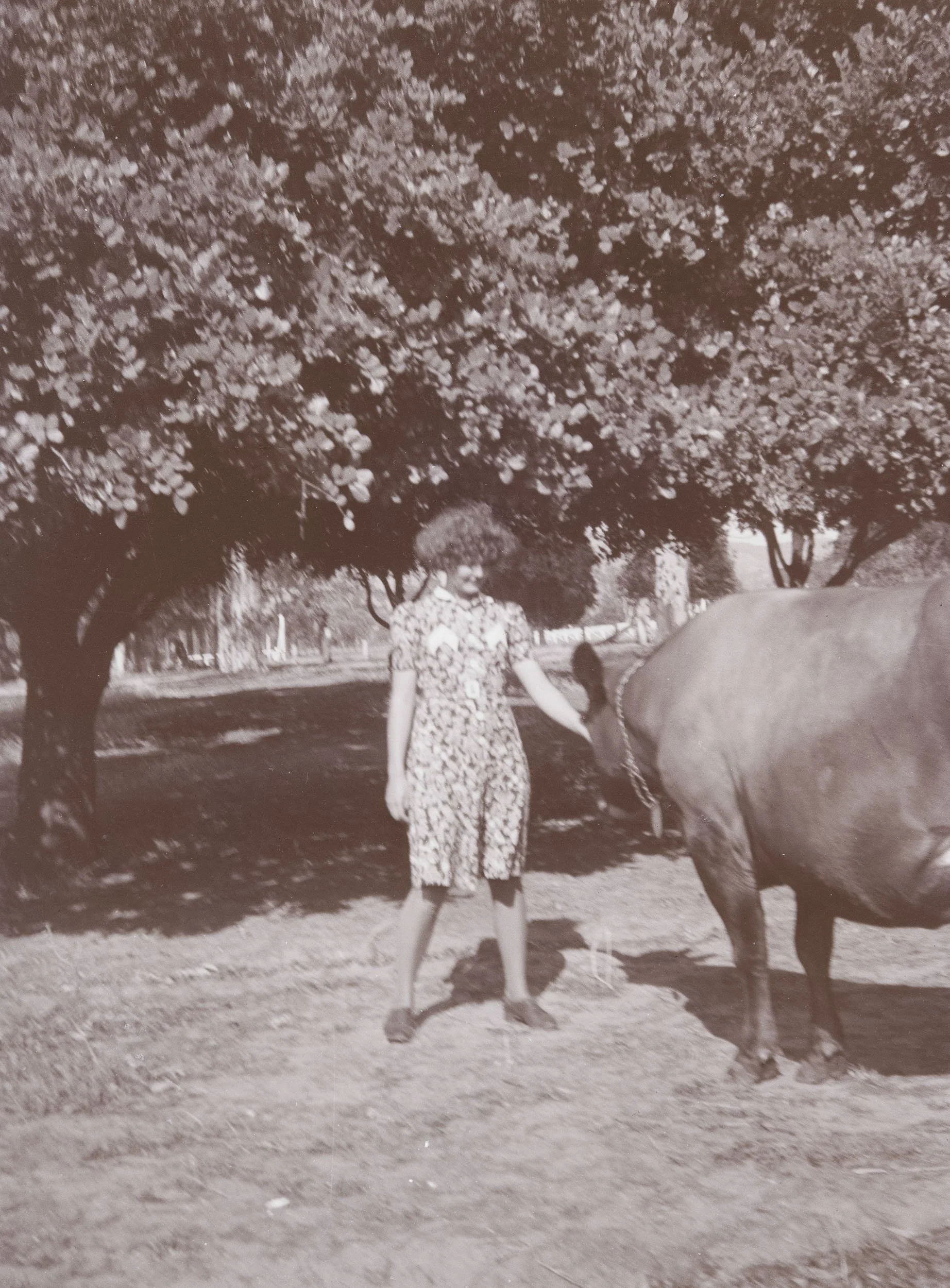
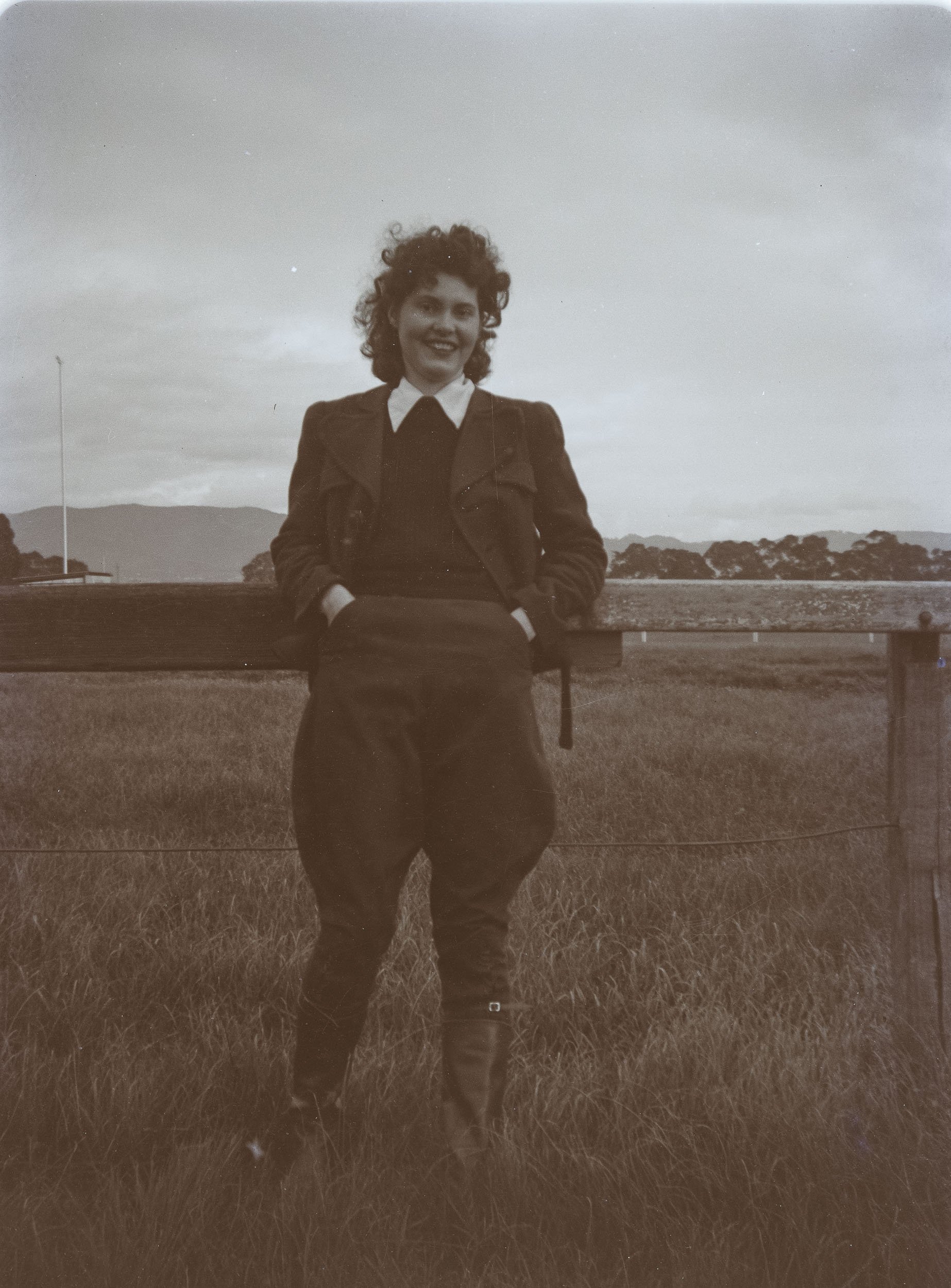
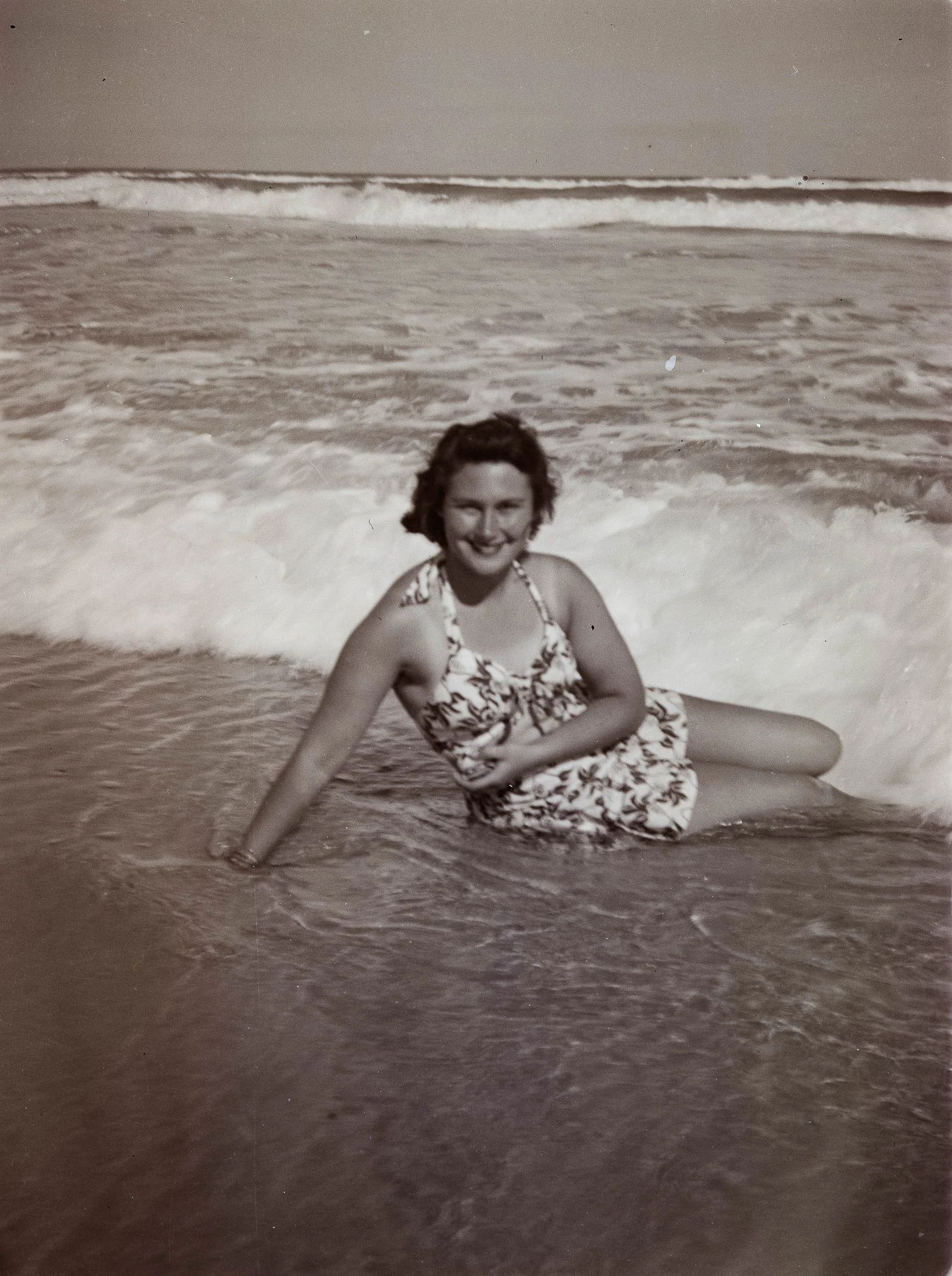
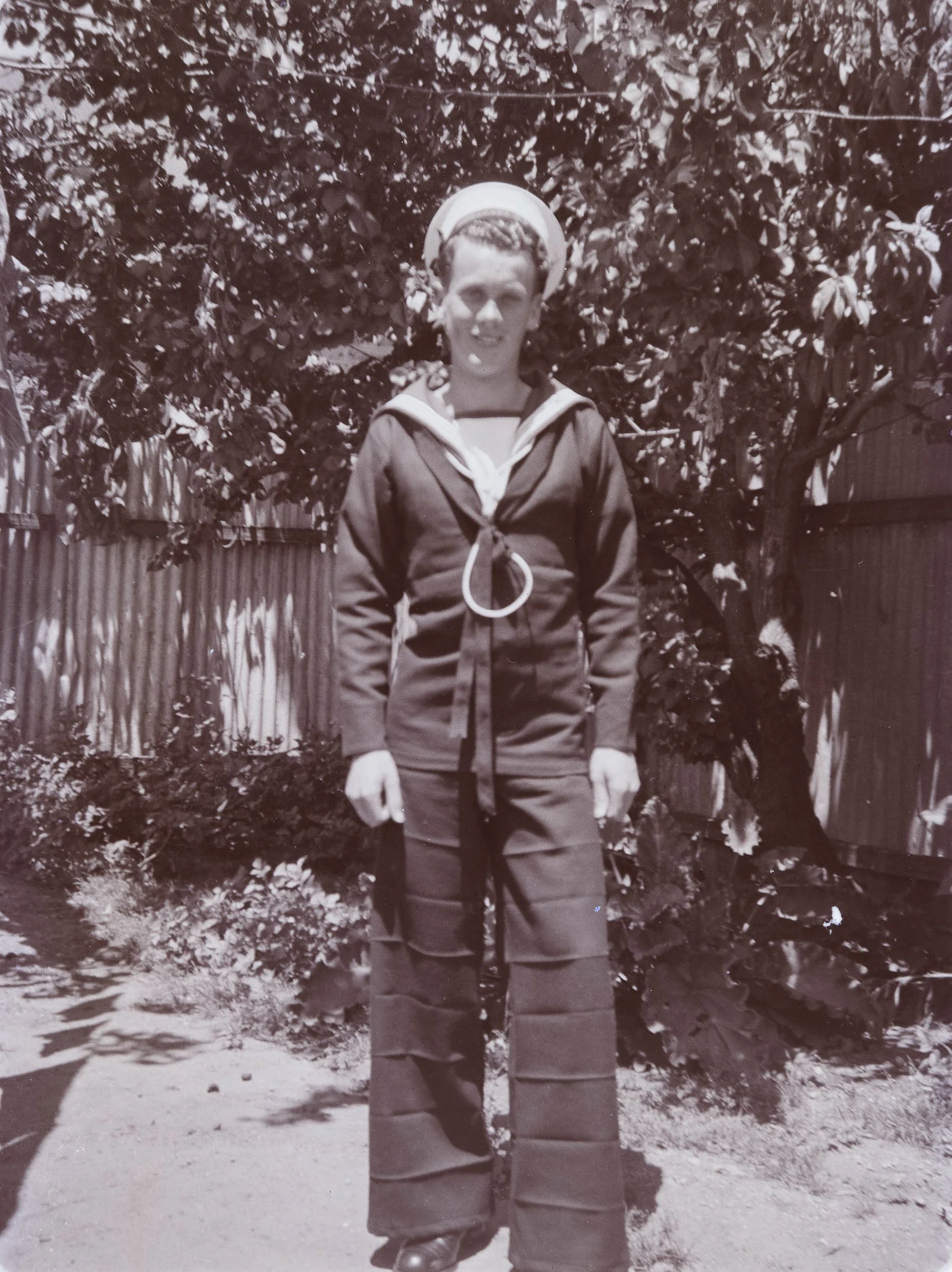
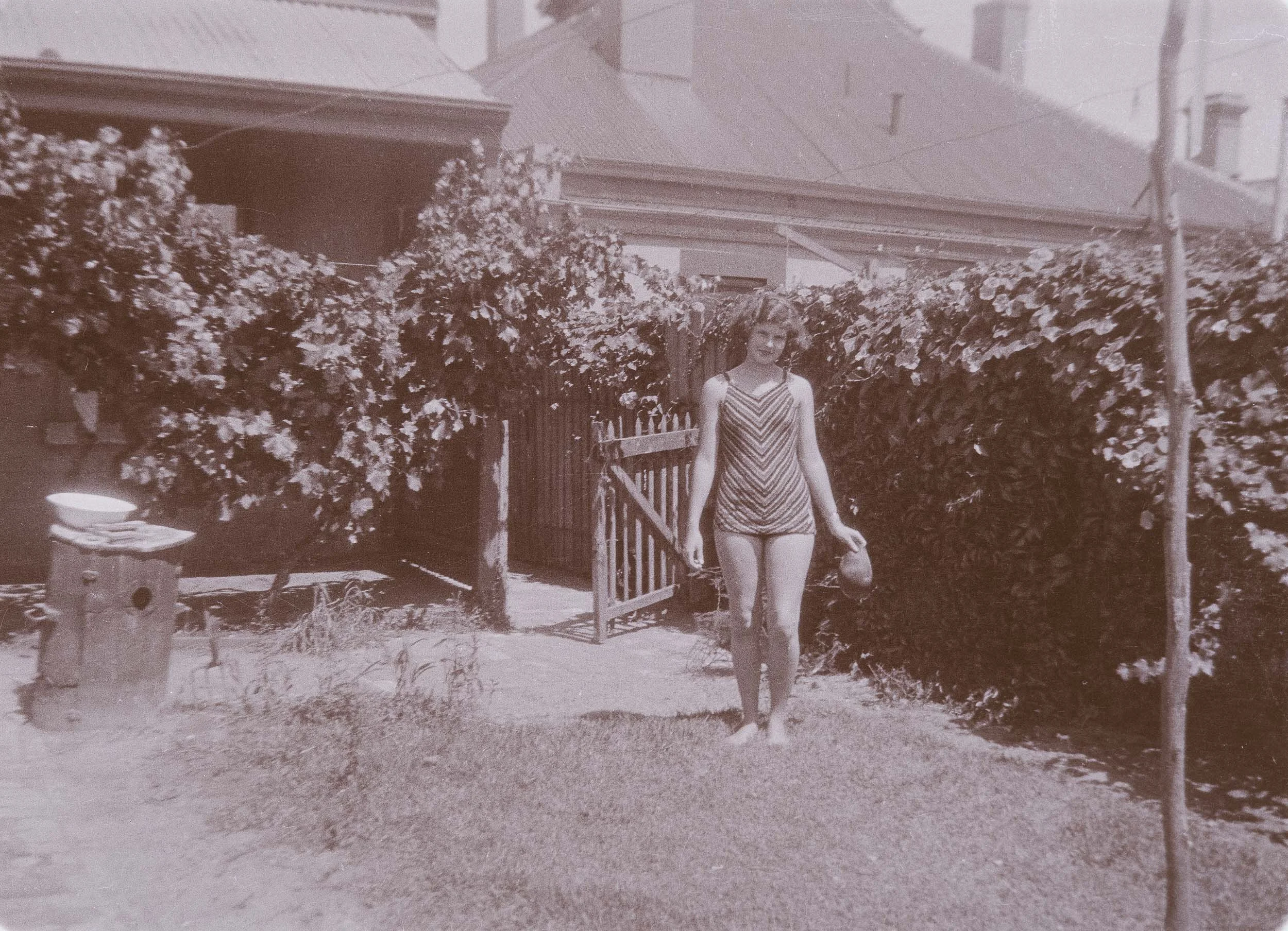
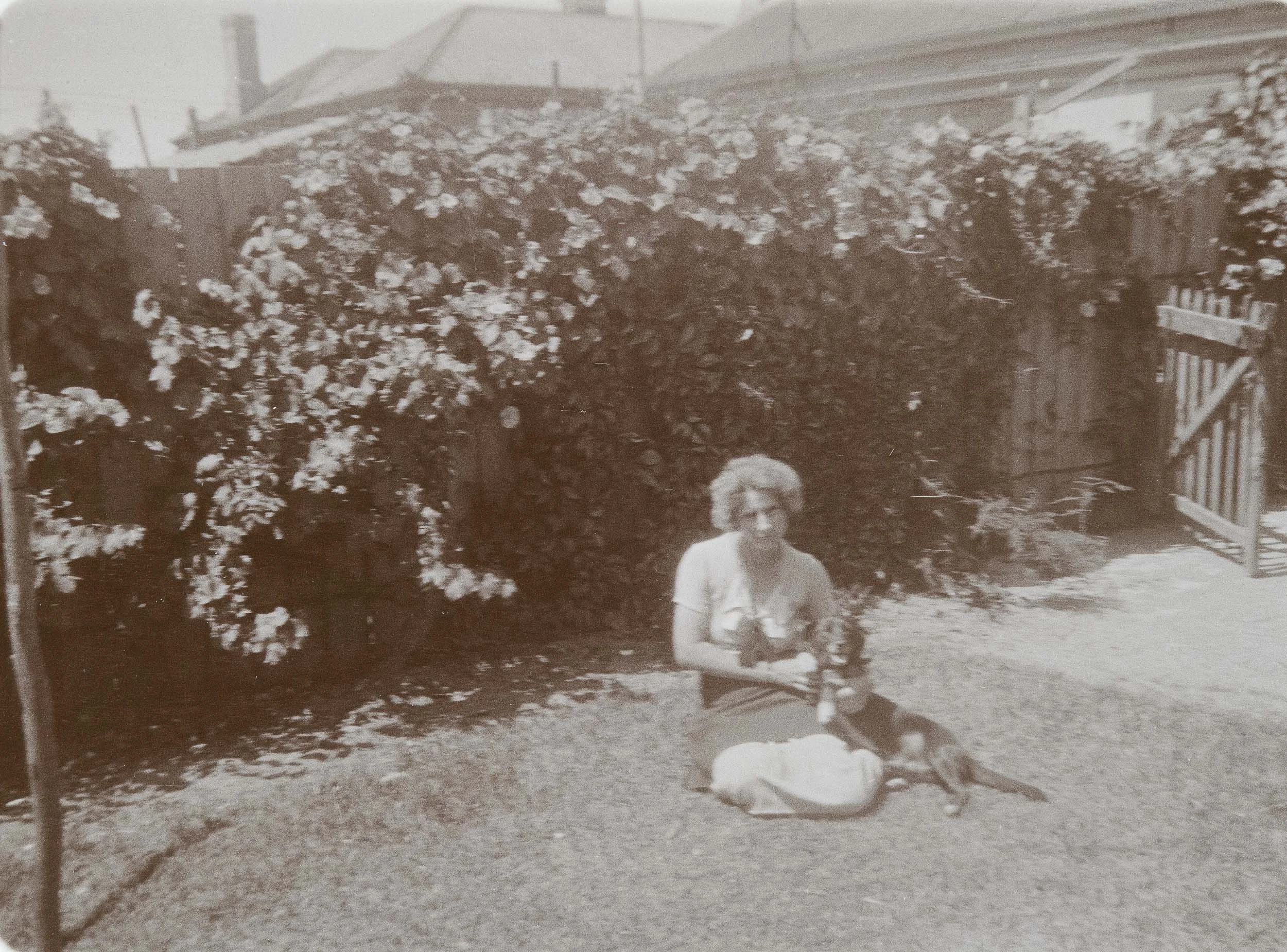
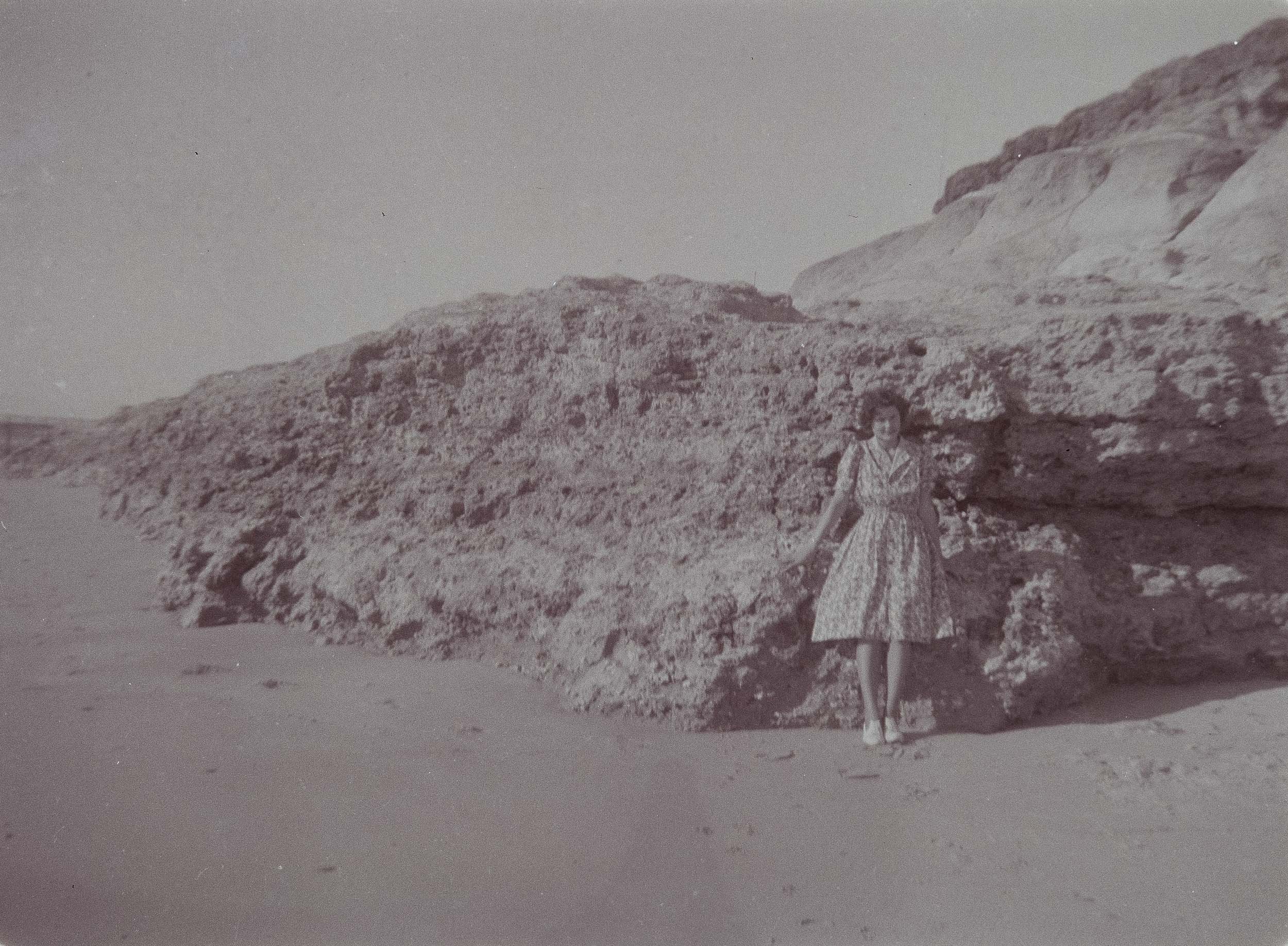
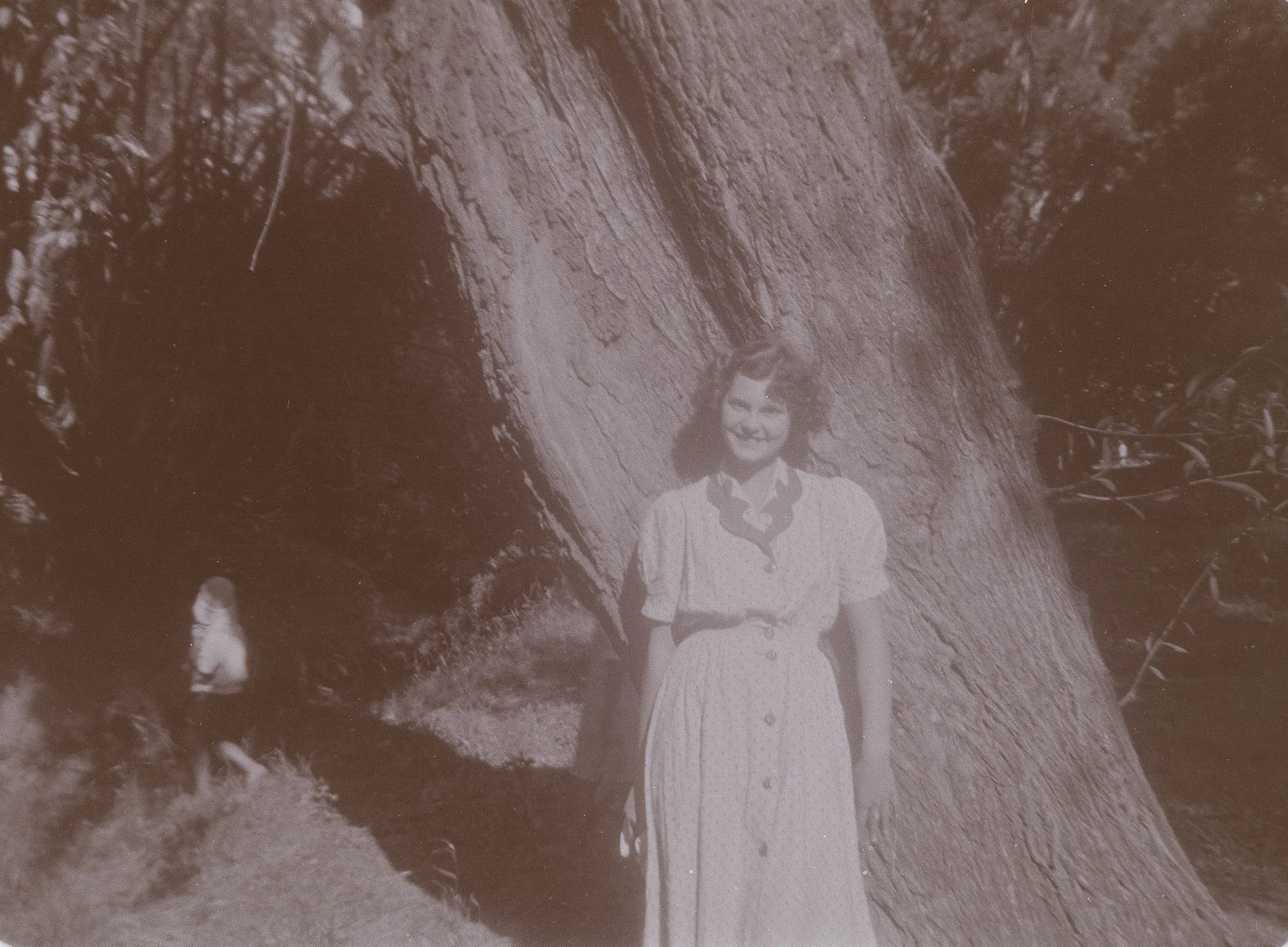
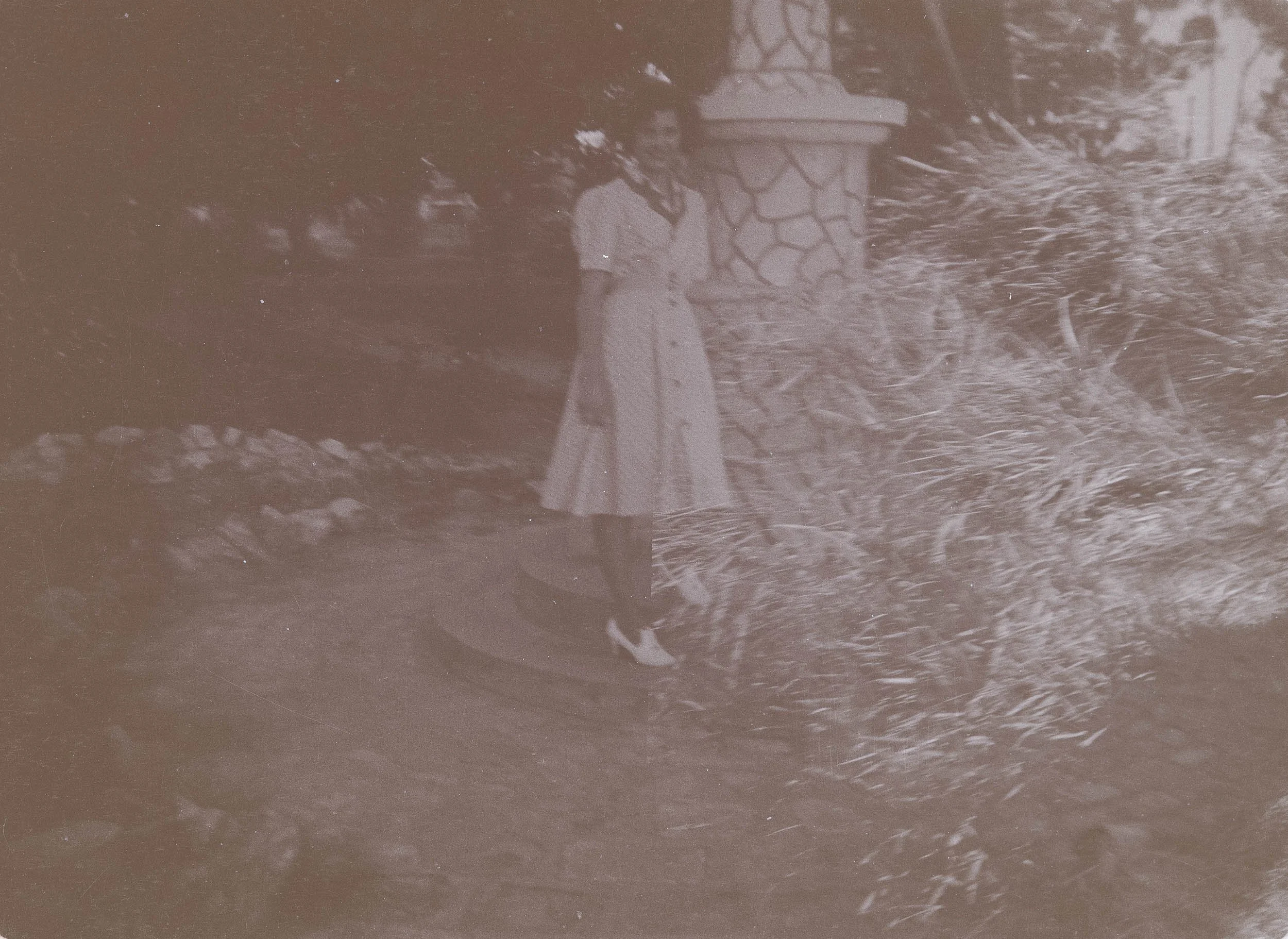
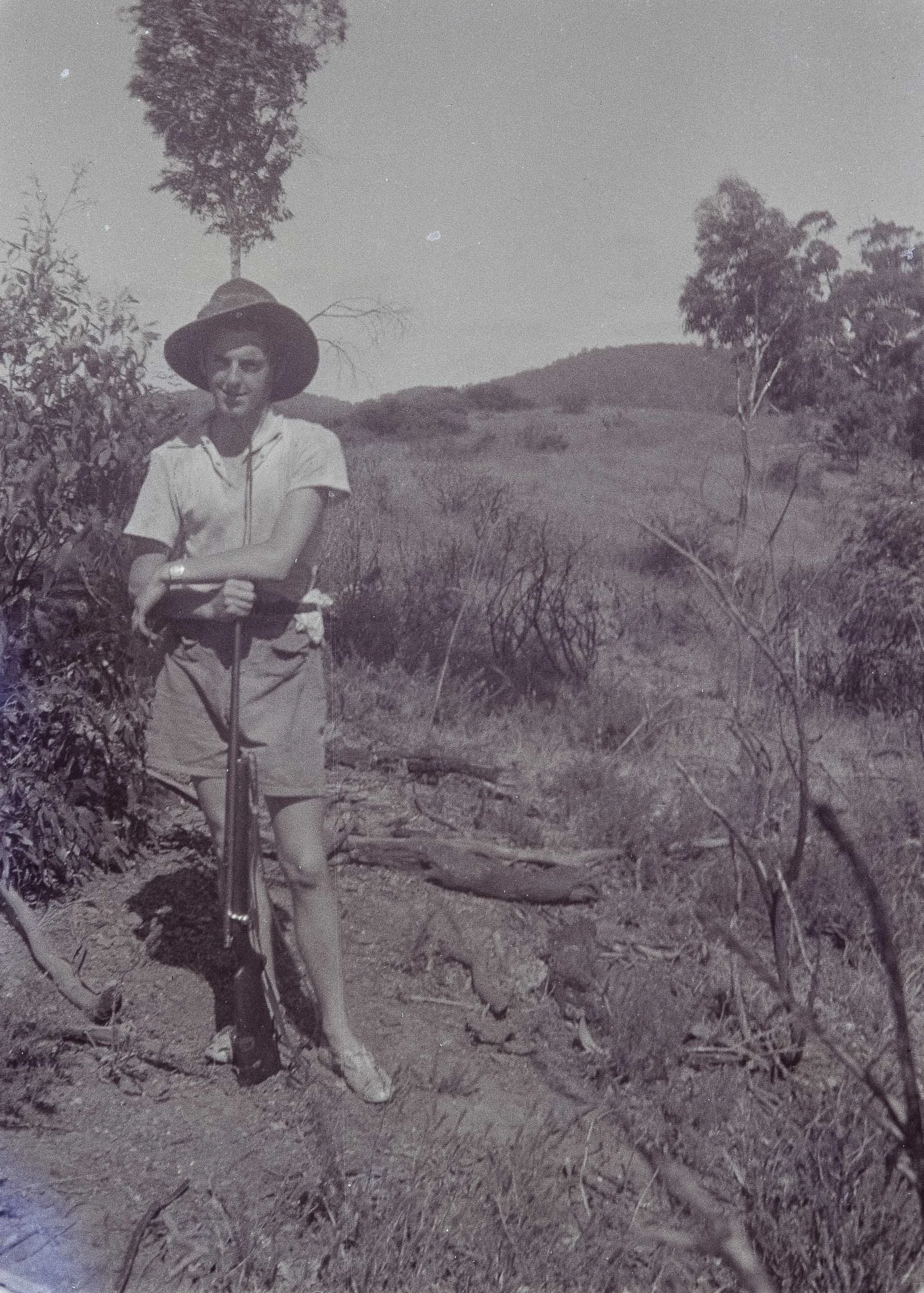
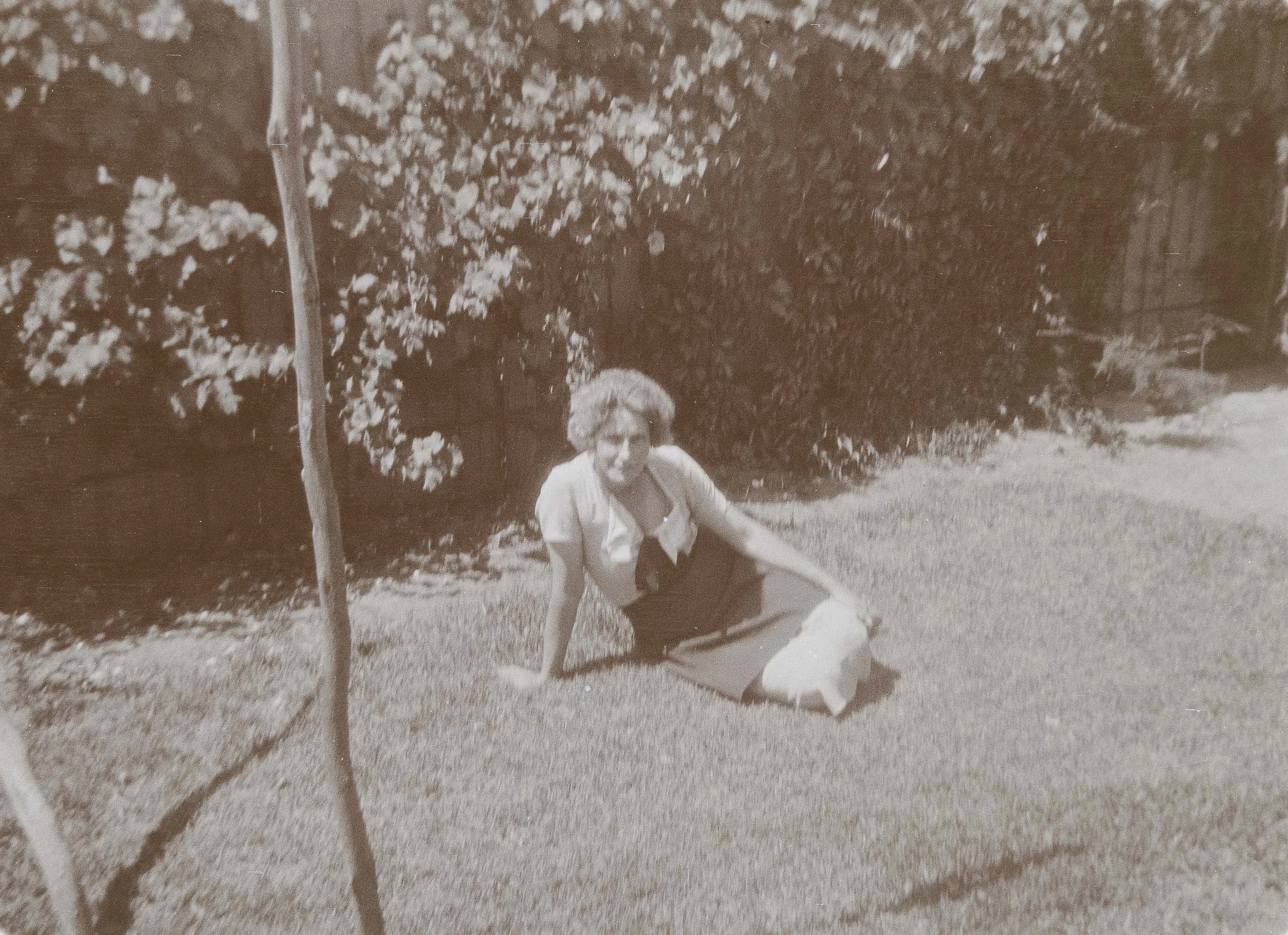
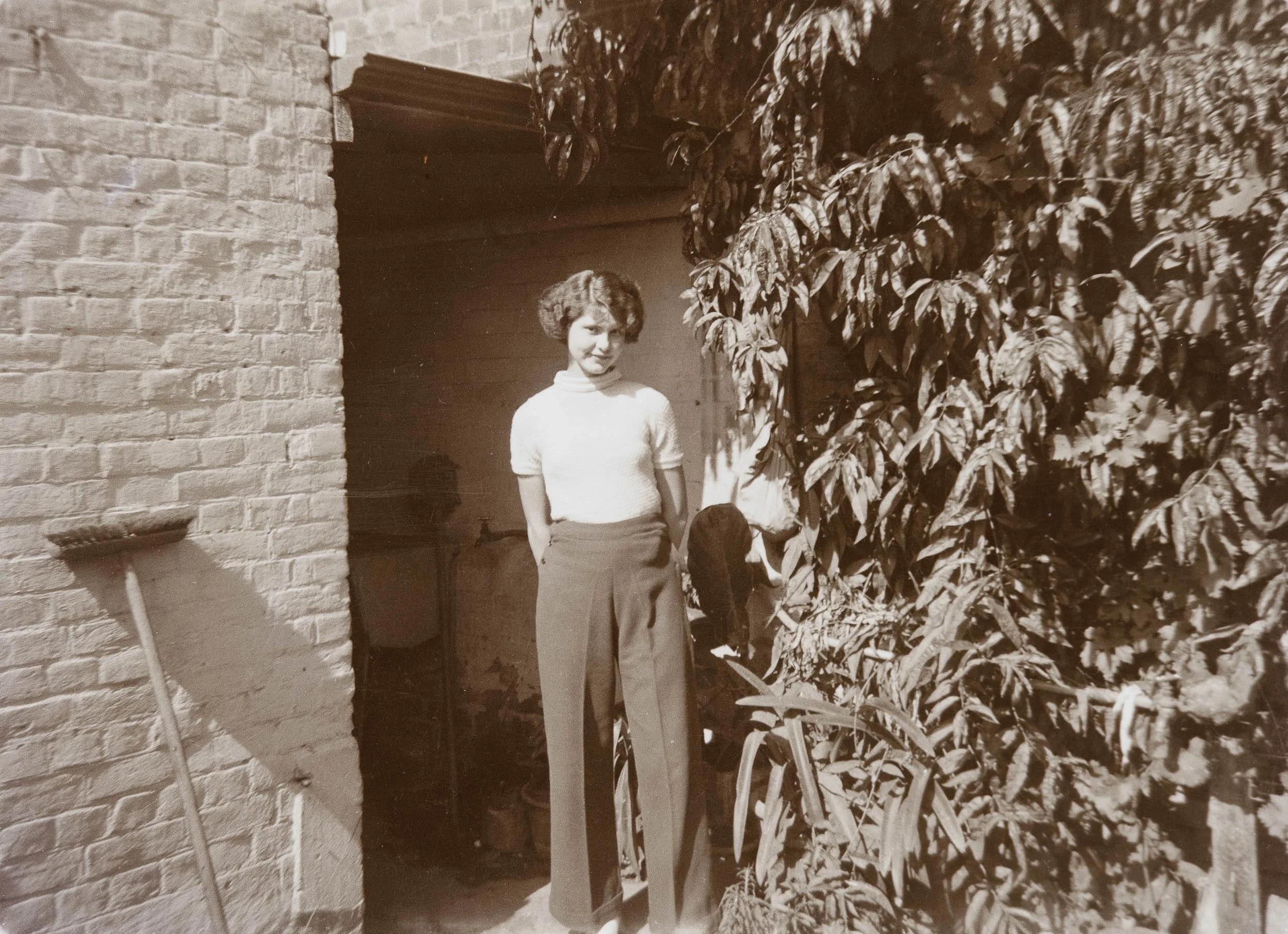
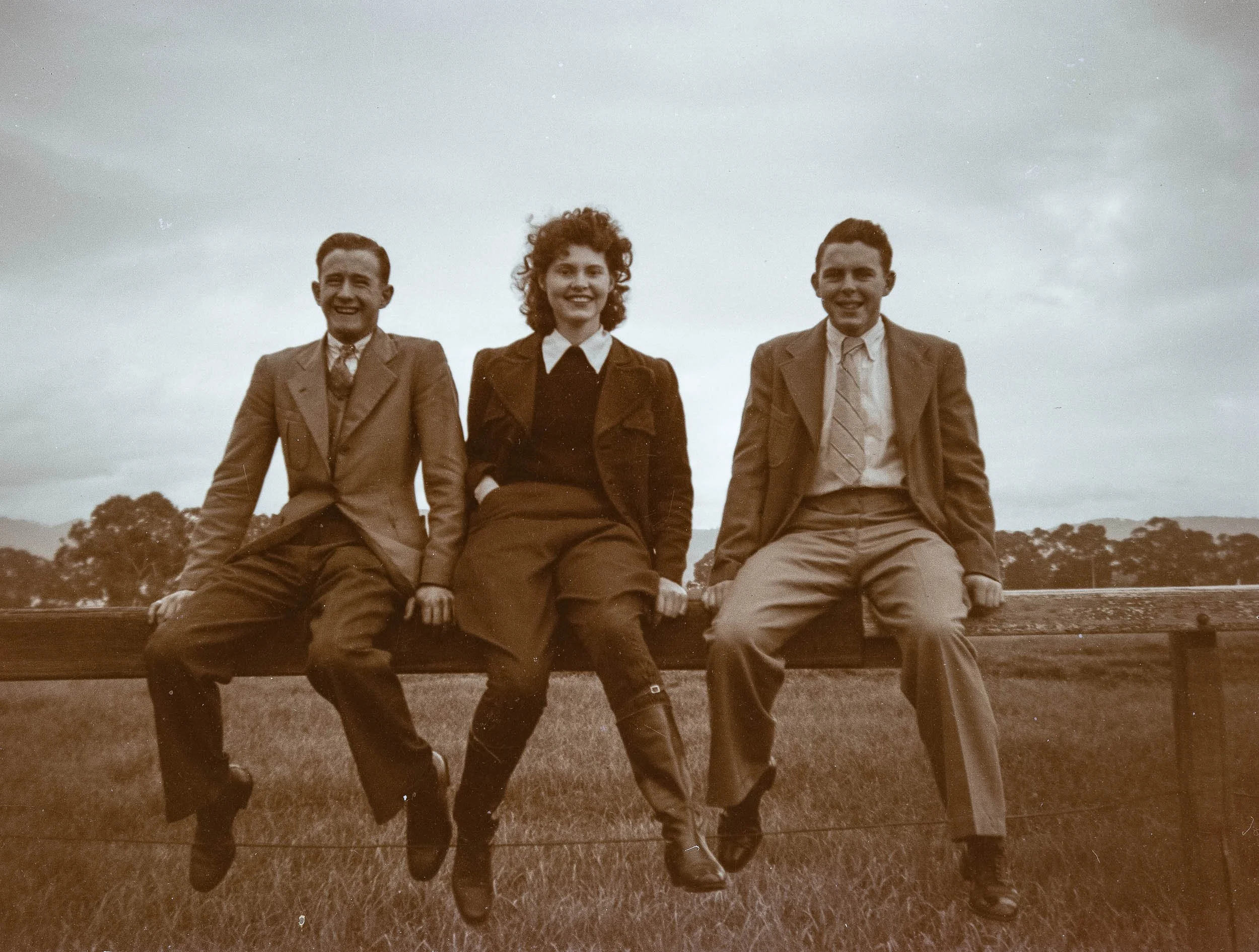
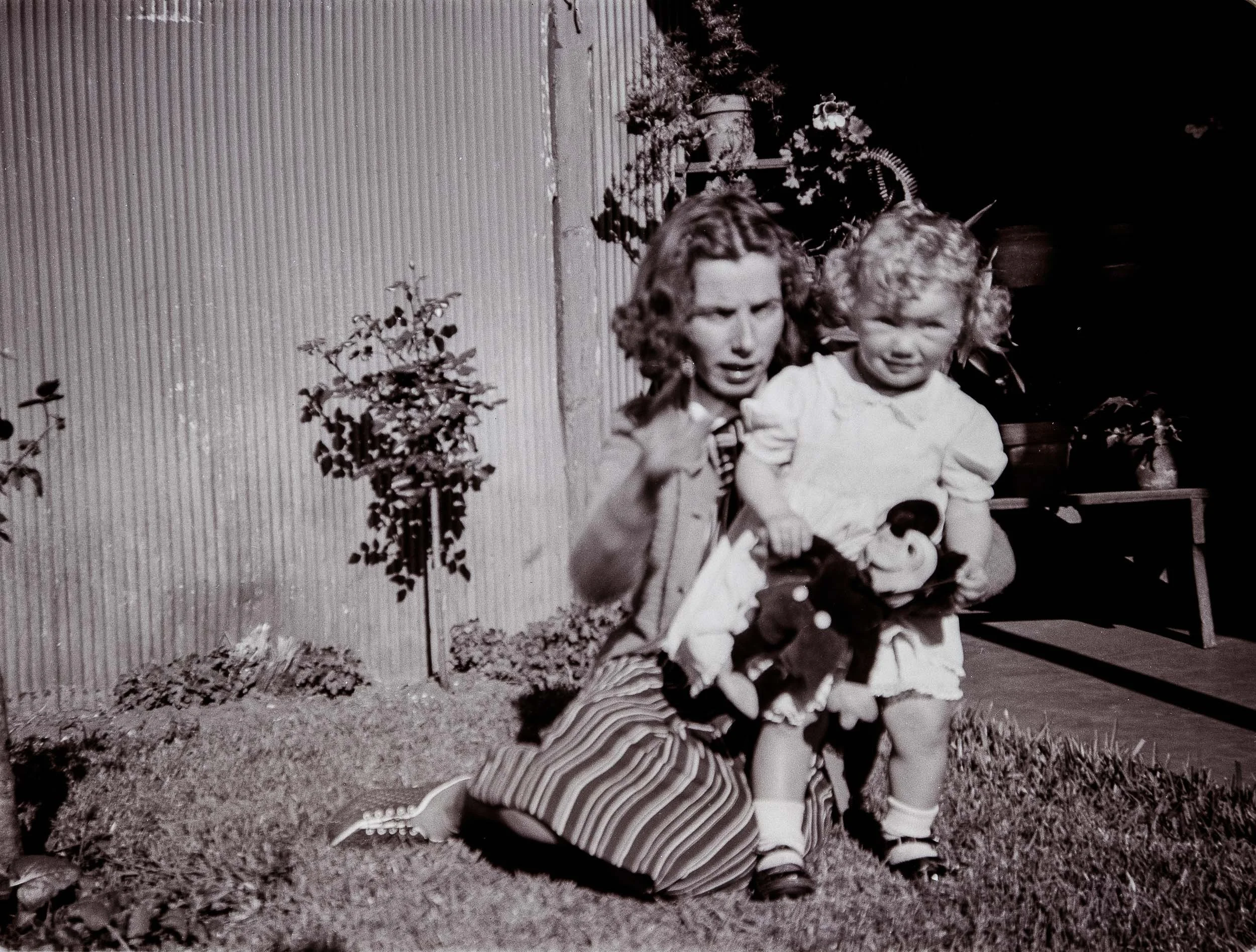
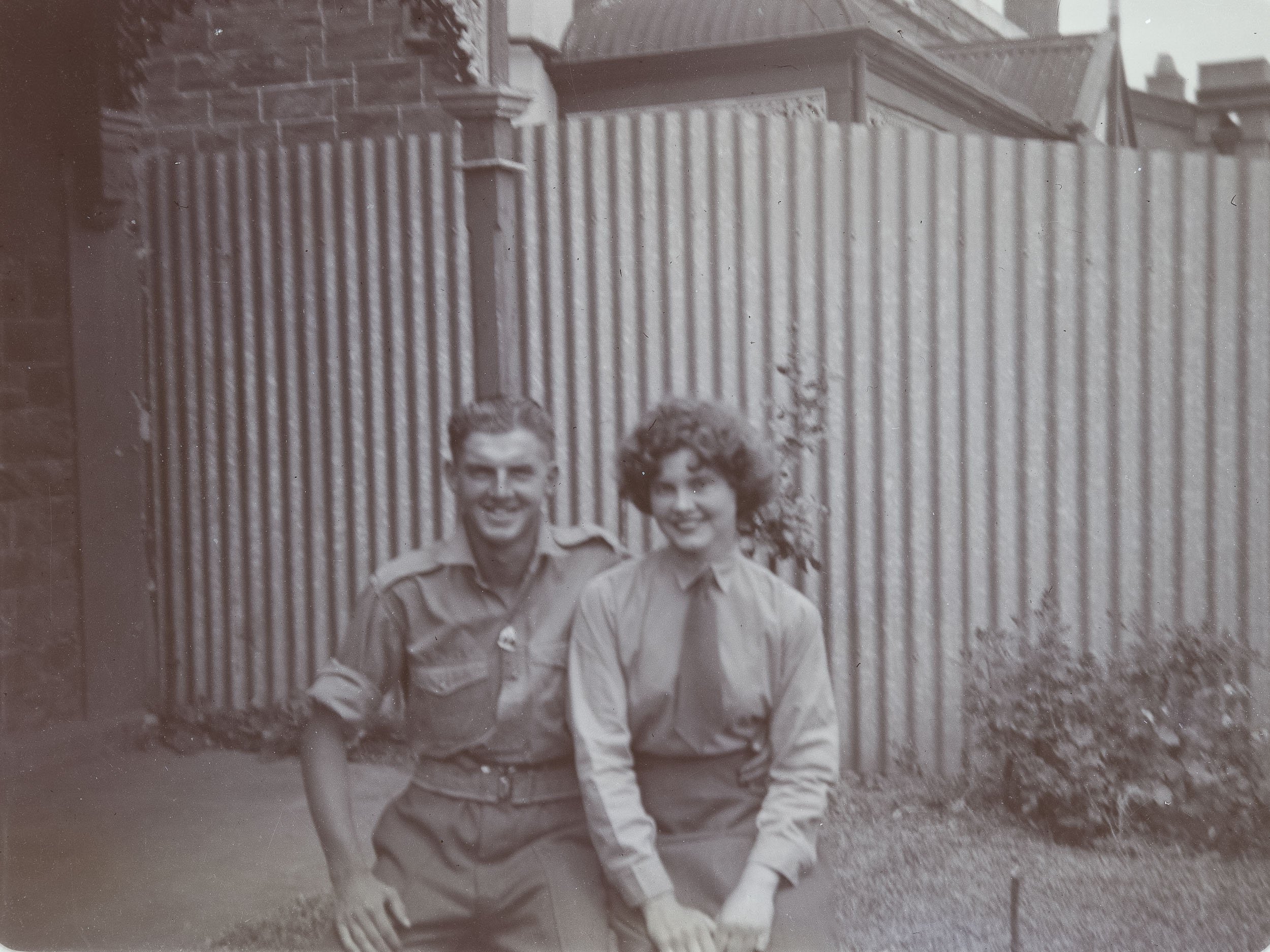
The young woman throughout these photographs is my wife’s grandmother, Lenna. To the family, she was Grandma, a wonderful soul who is still deeply missed.
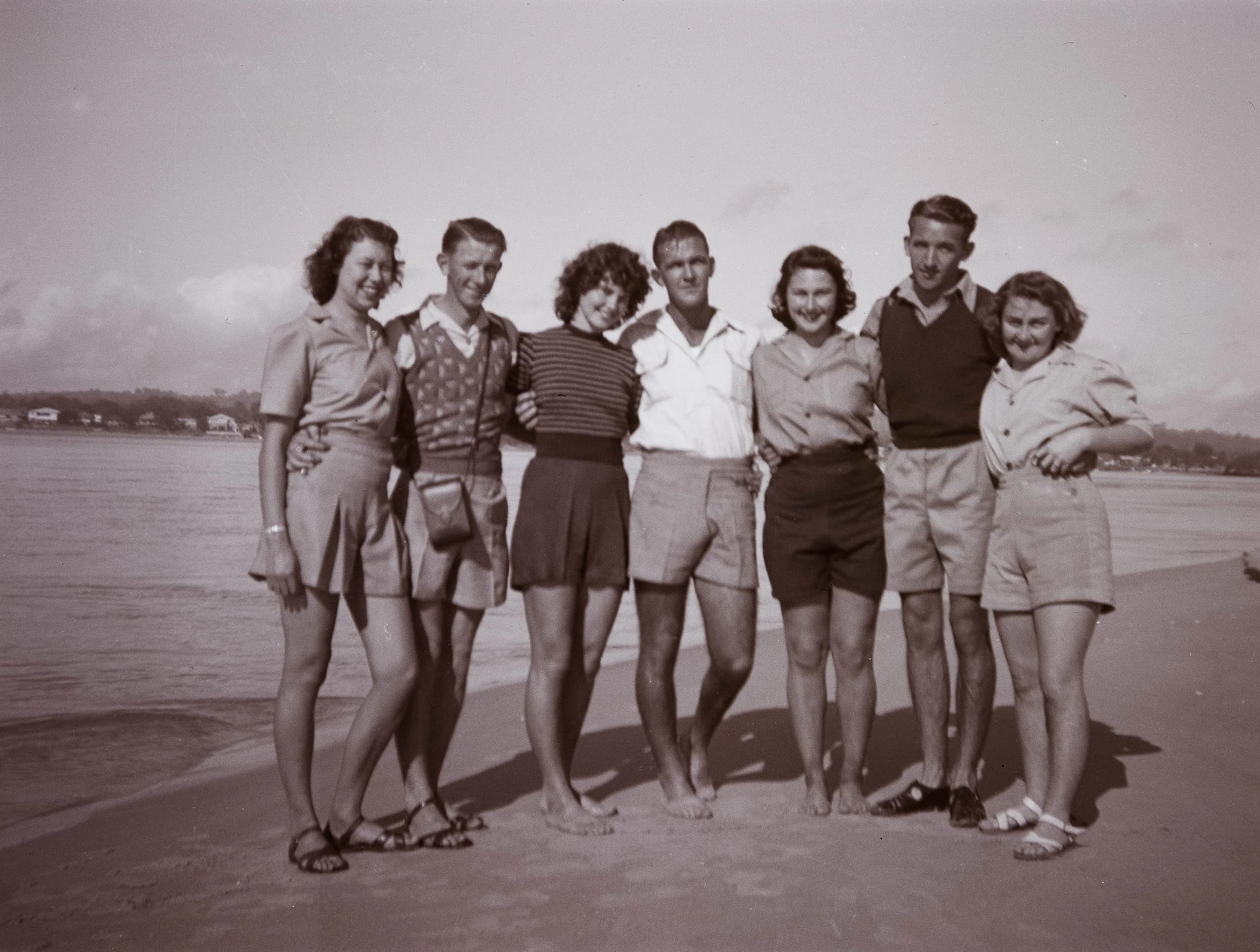
She always loved the outdoors, spending time at the ocean and especially the sand between her toes. These images show a small part of her life.
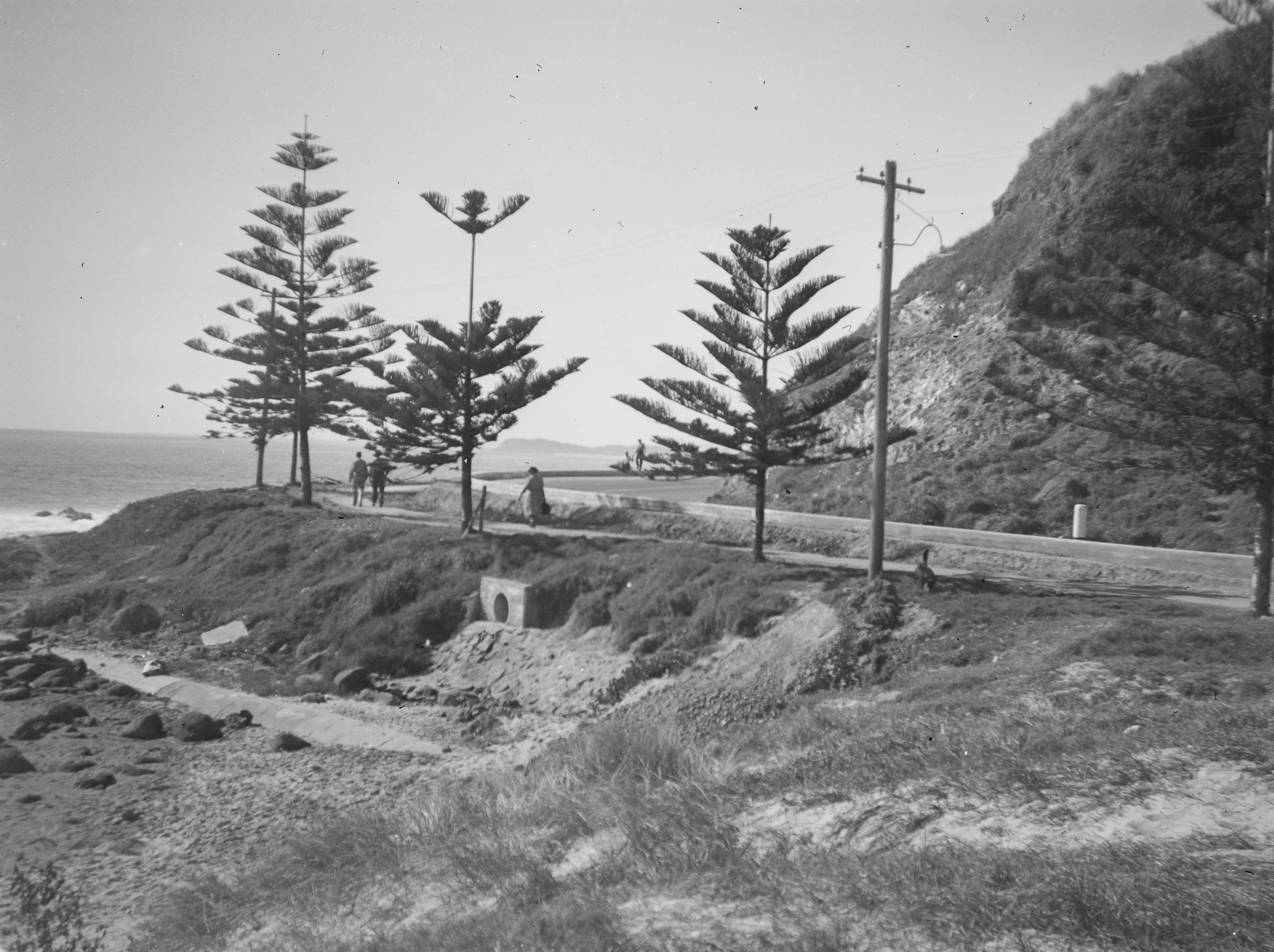
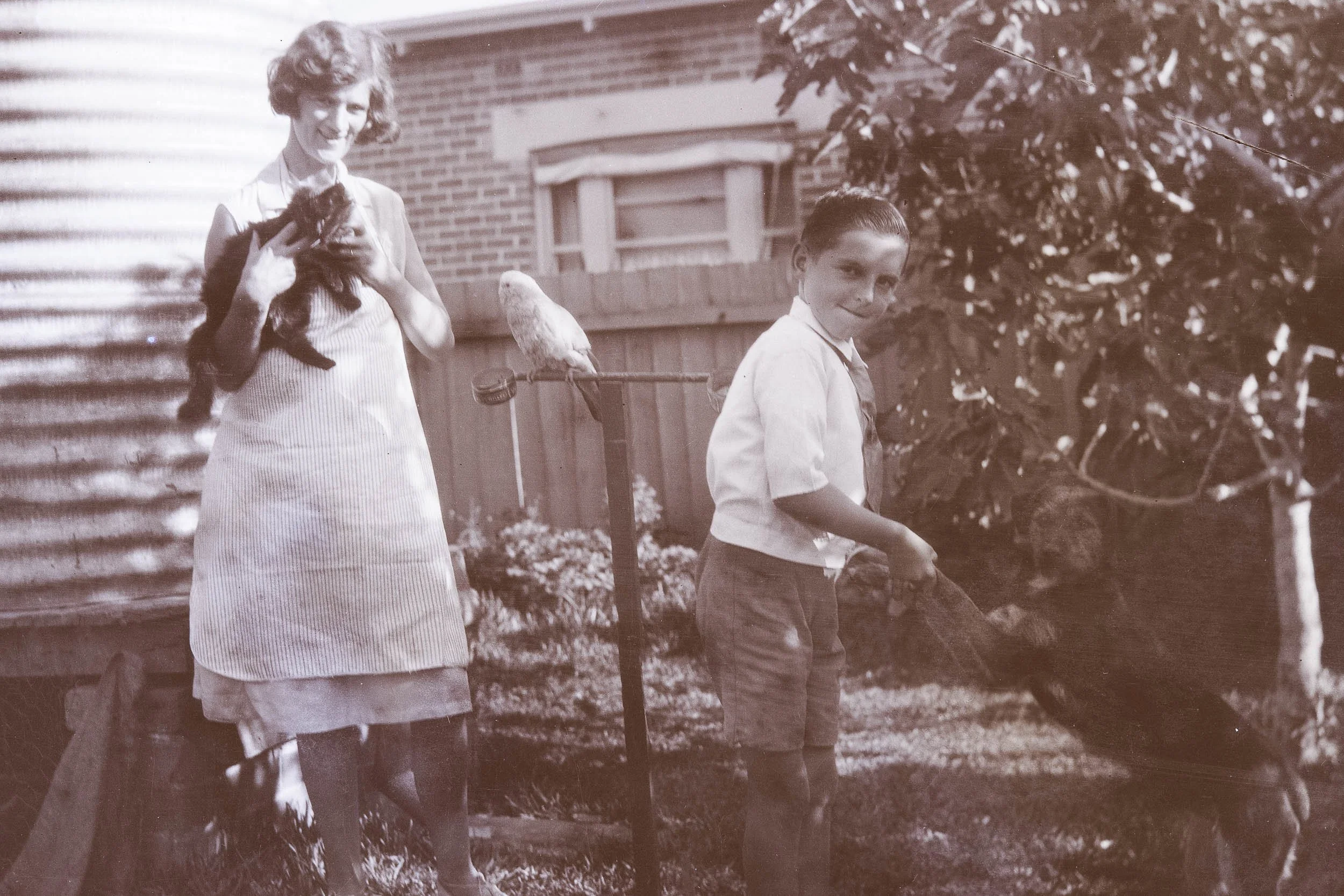
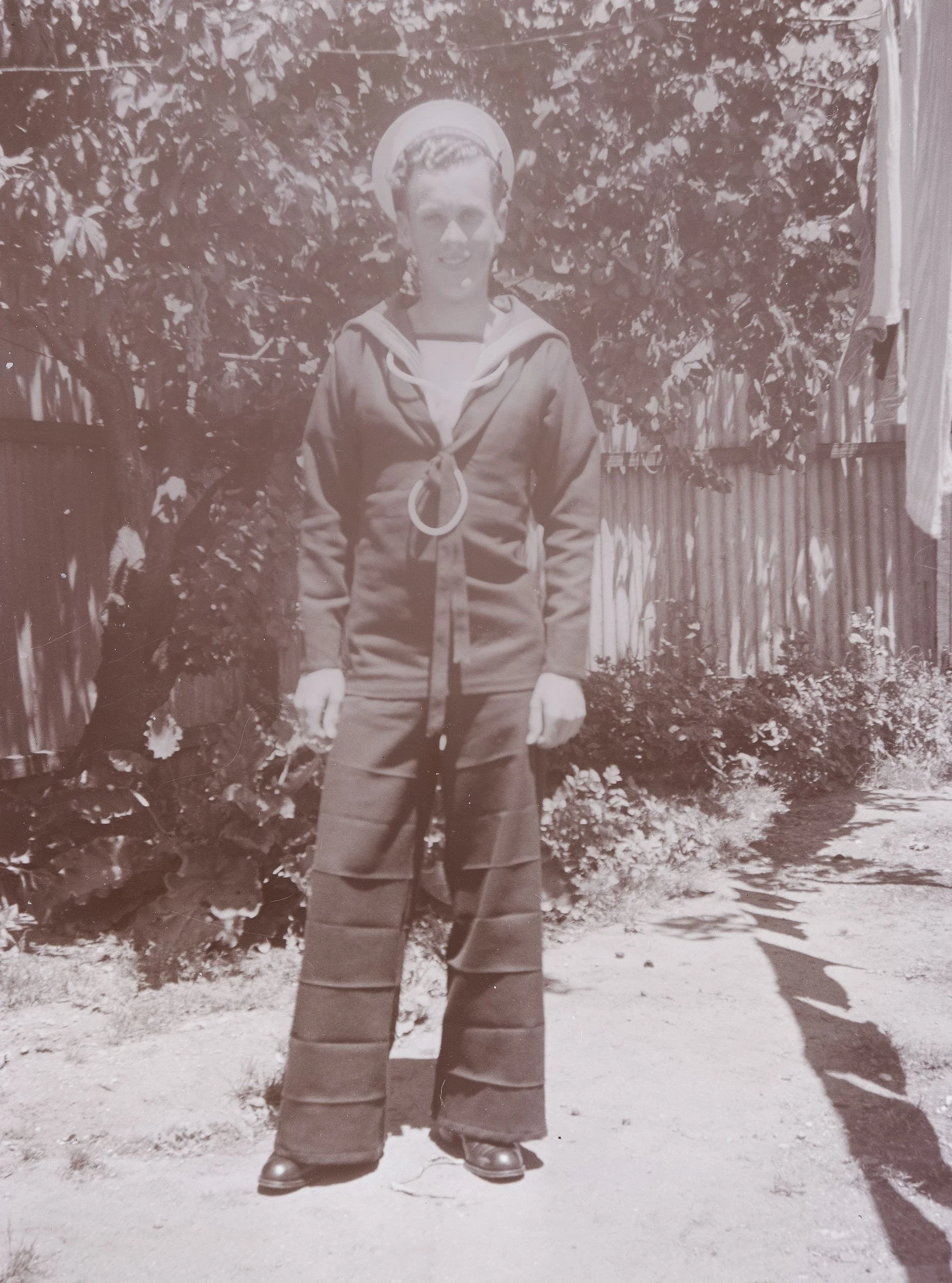
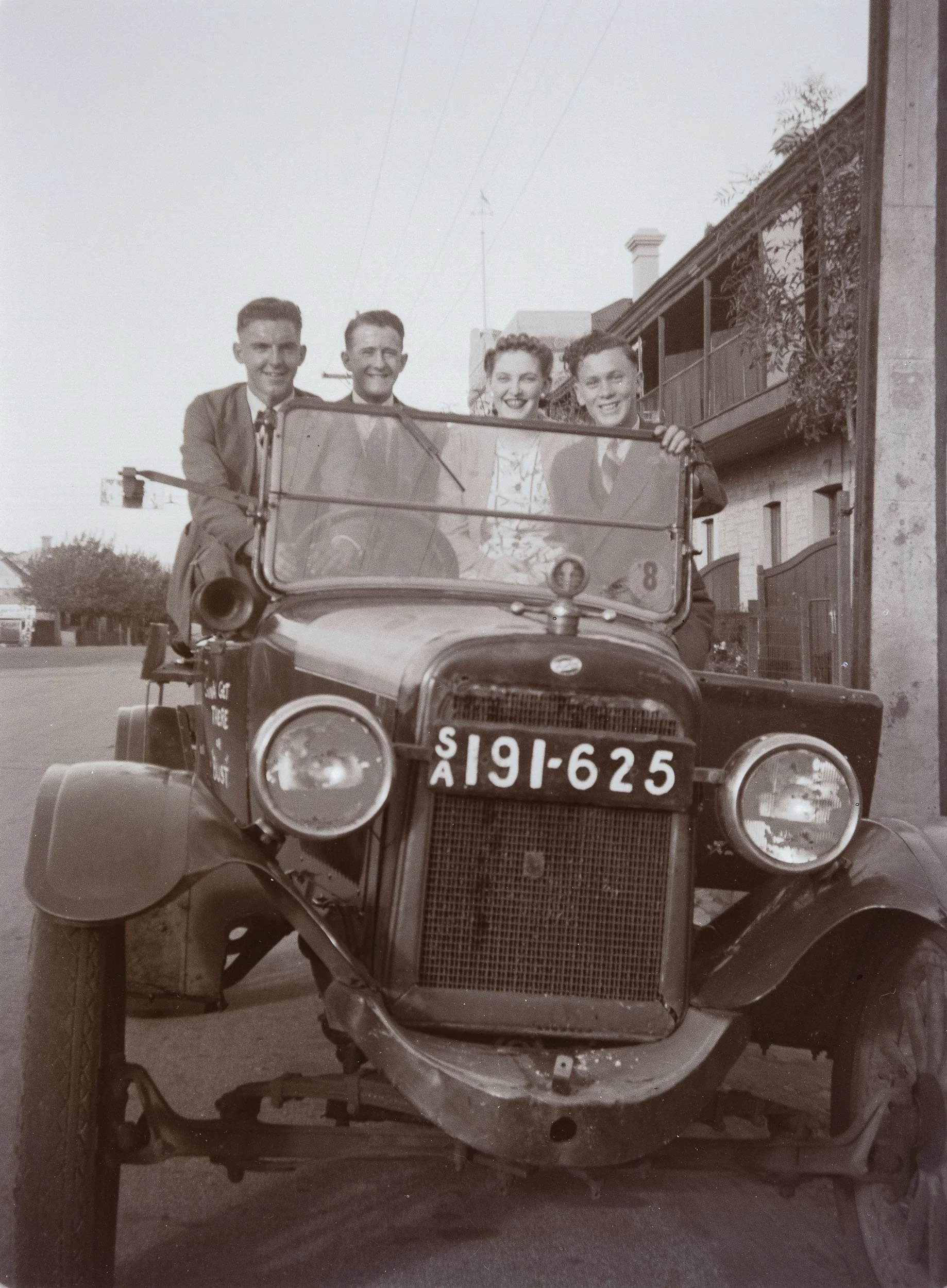
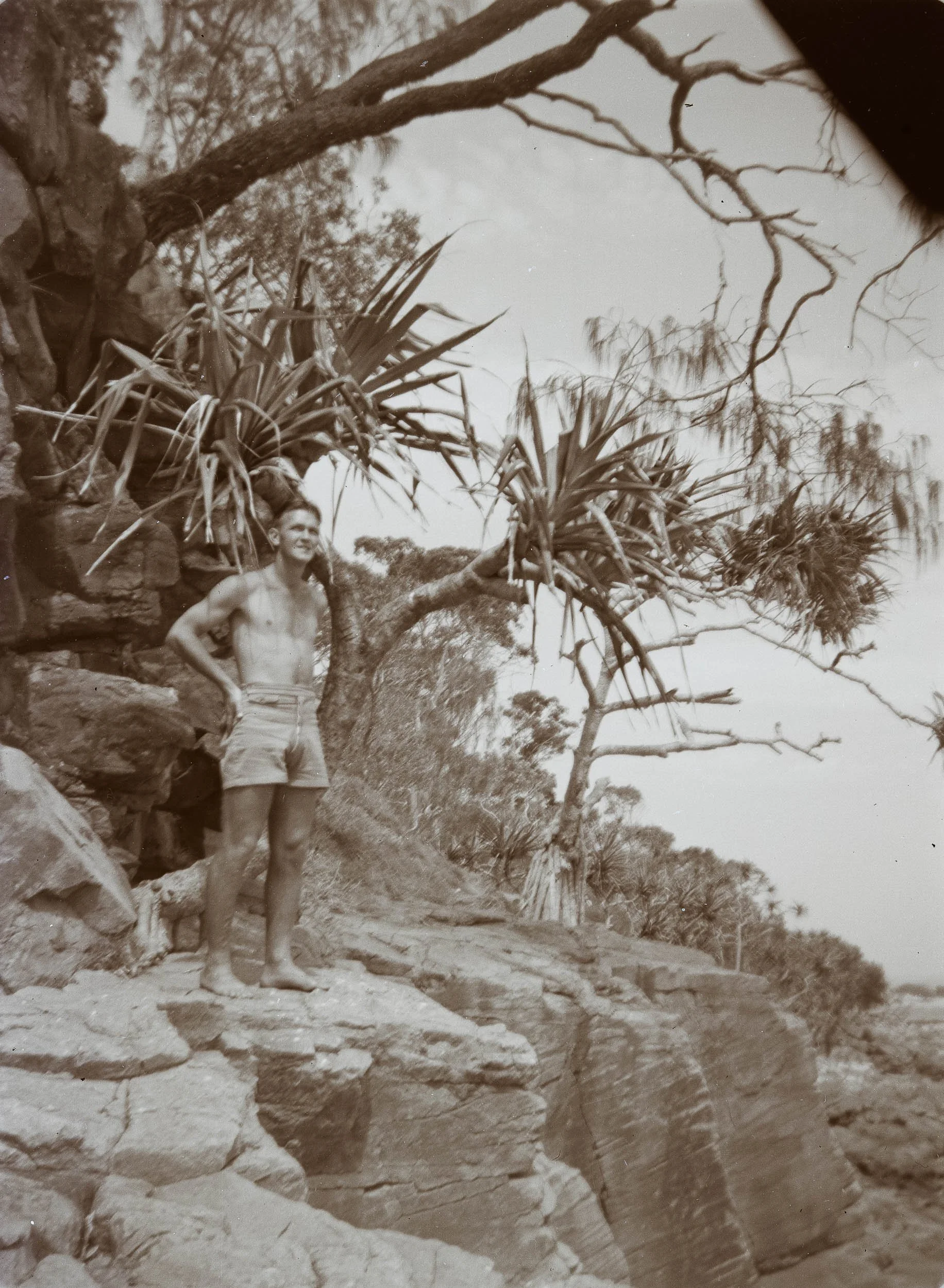
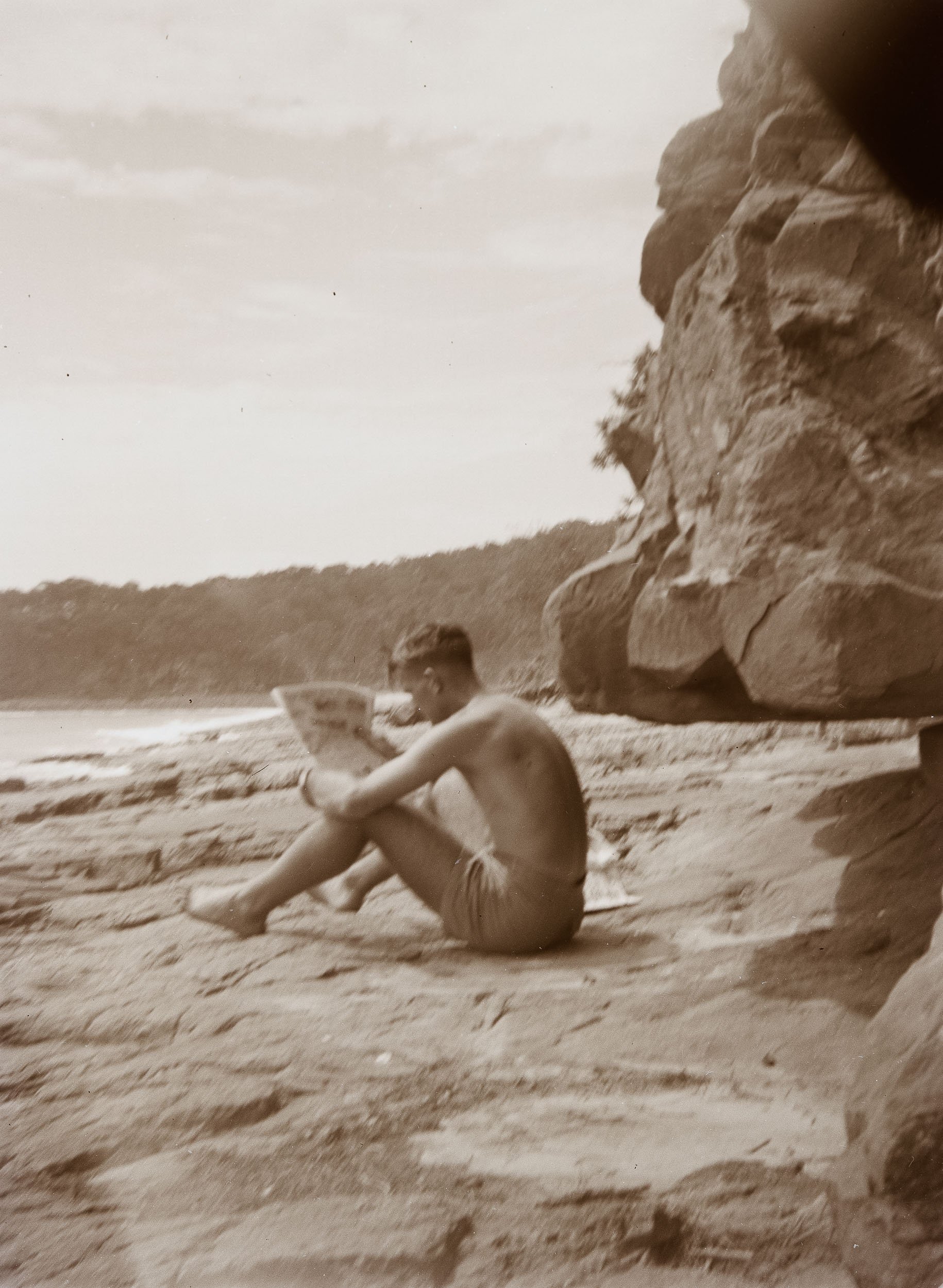
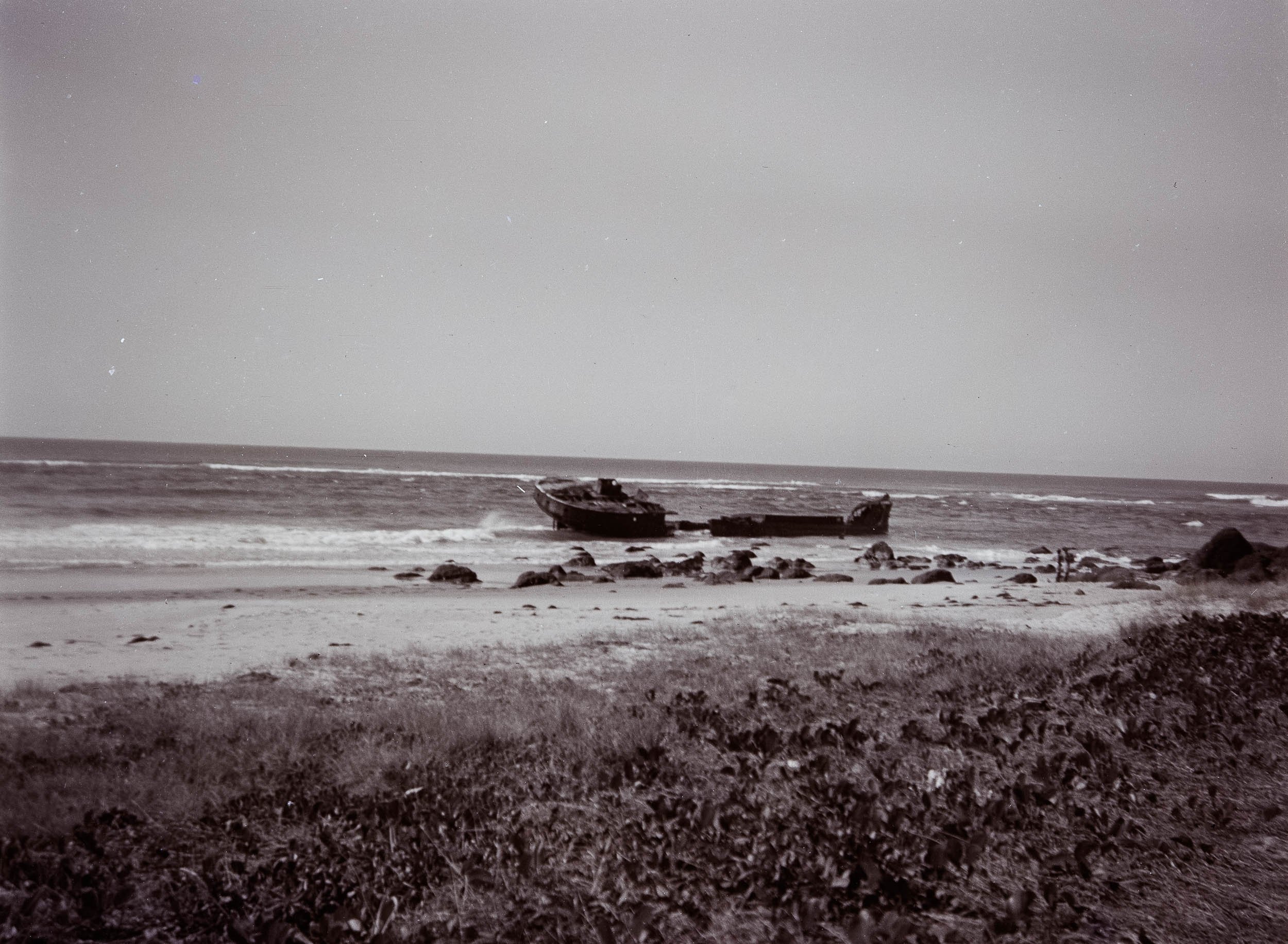
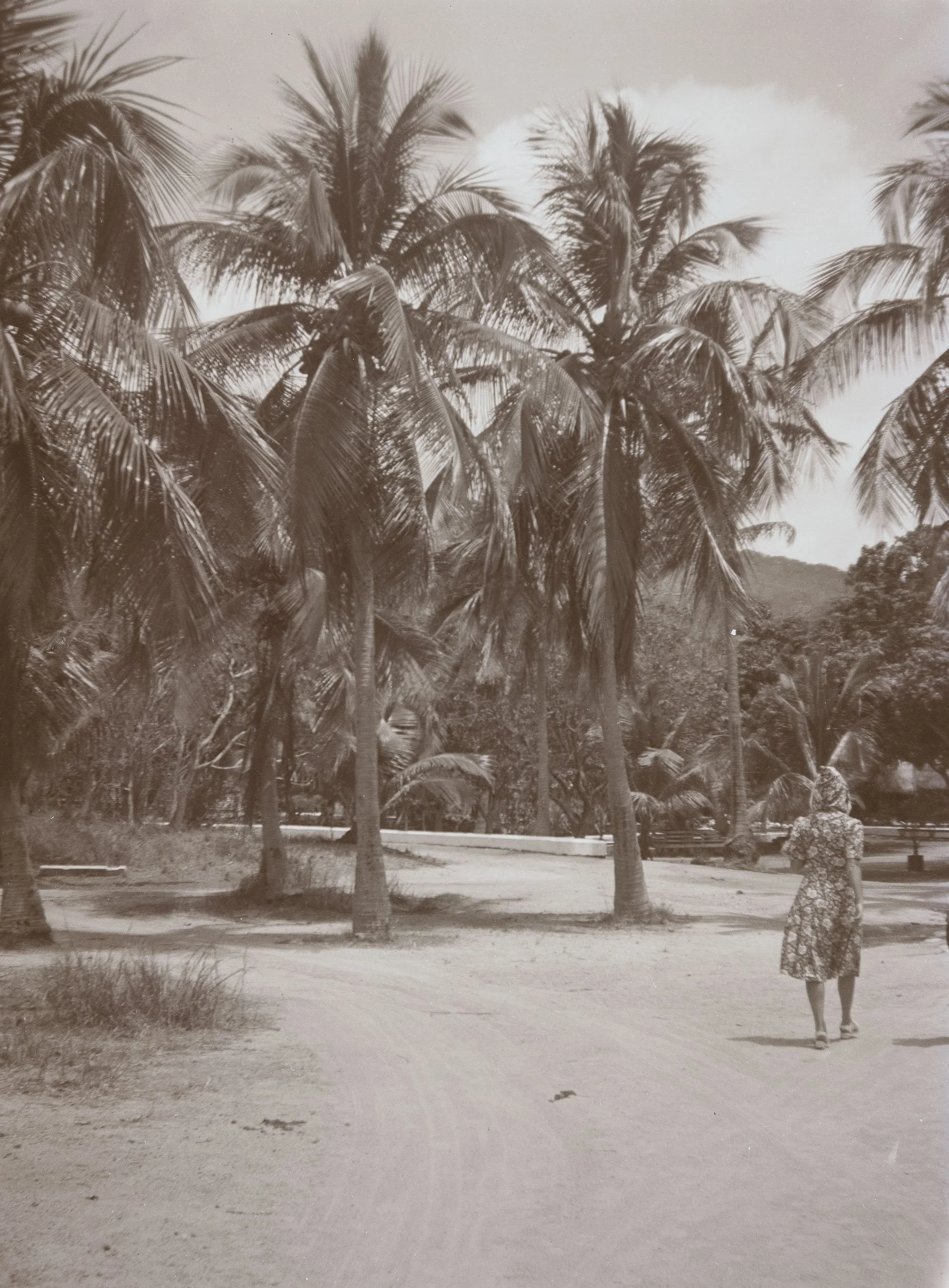
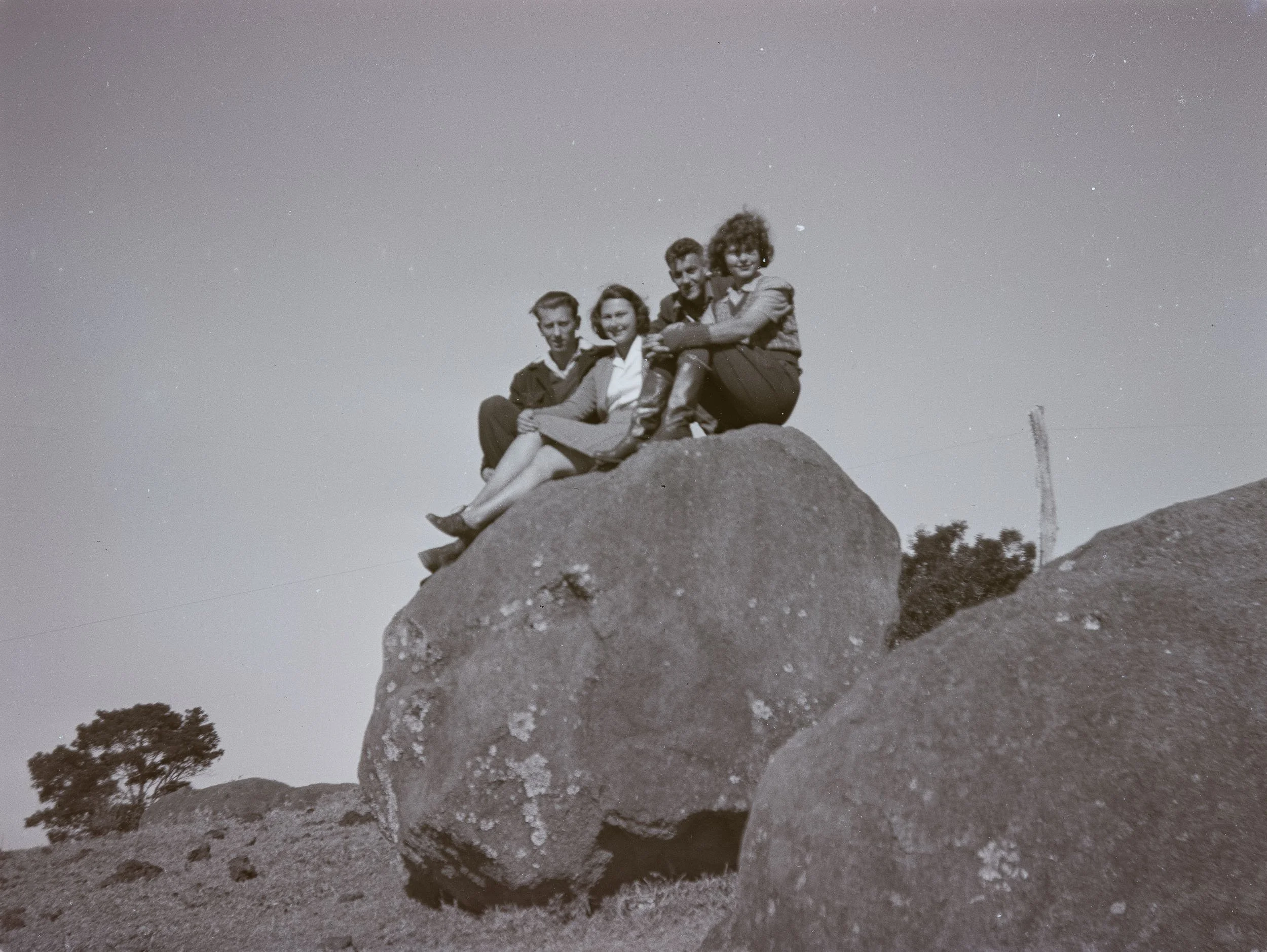
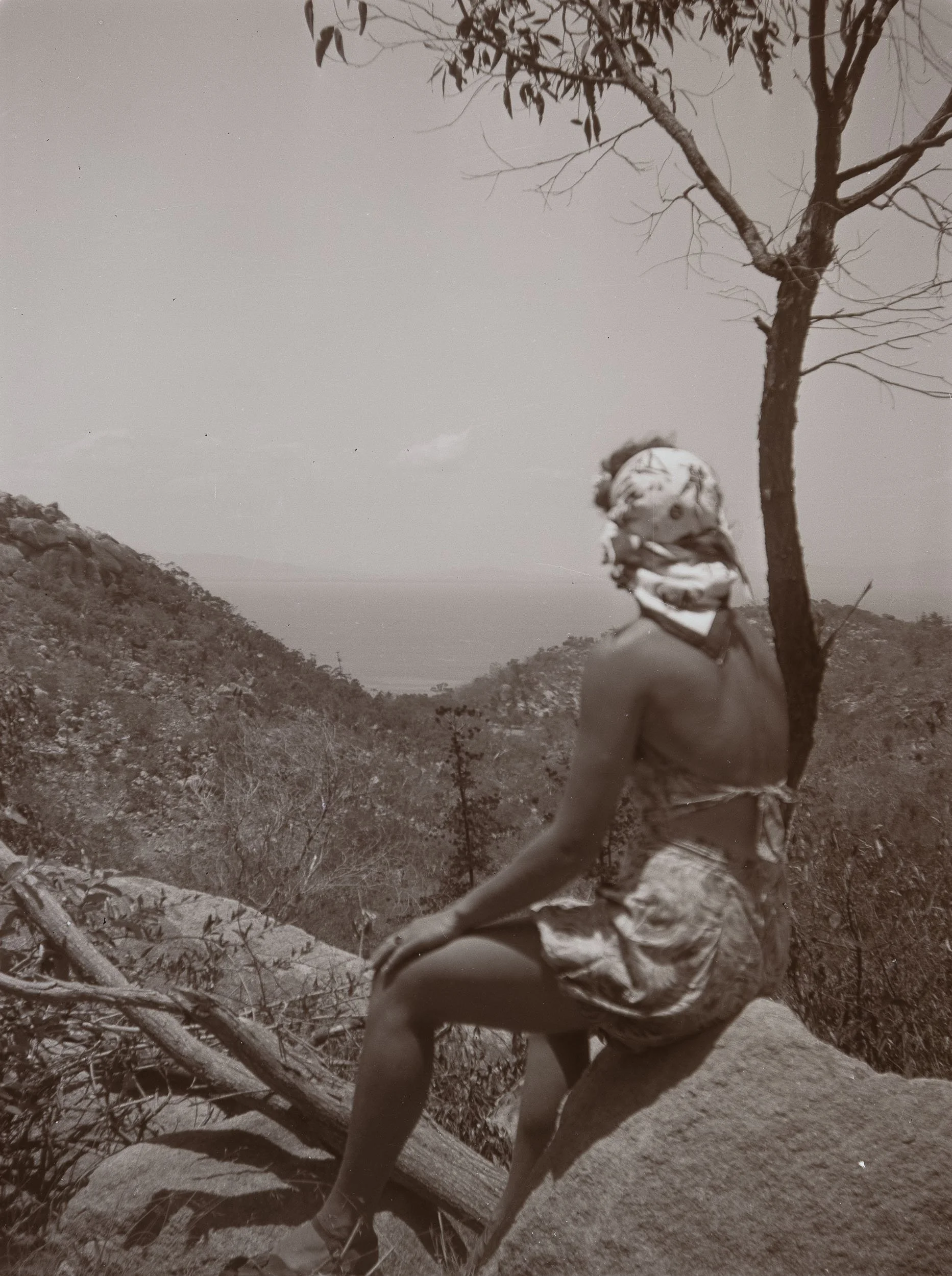
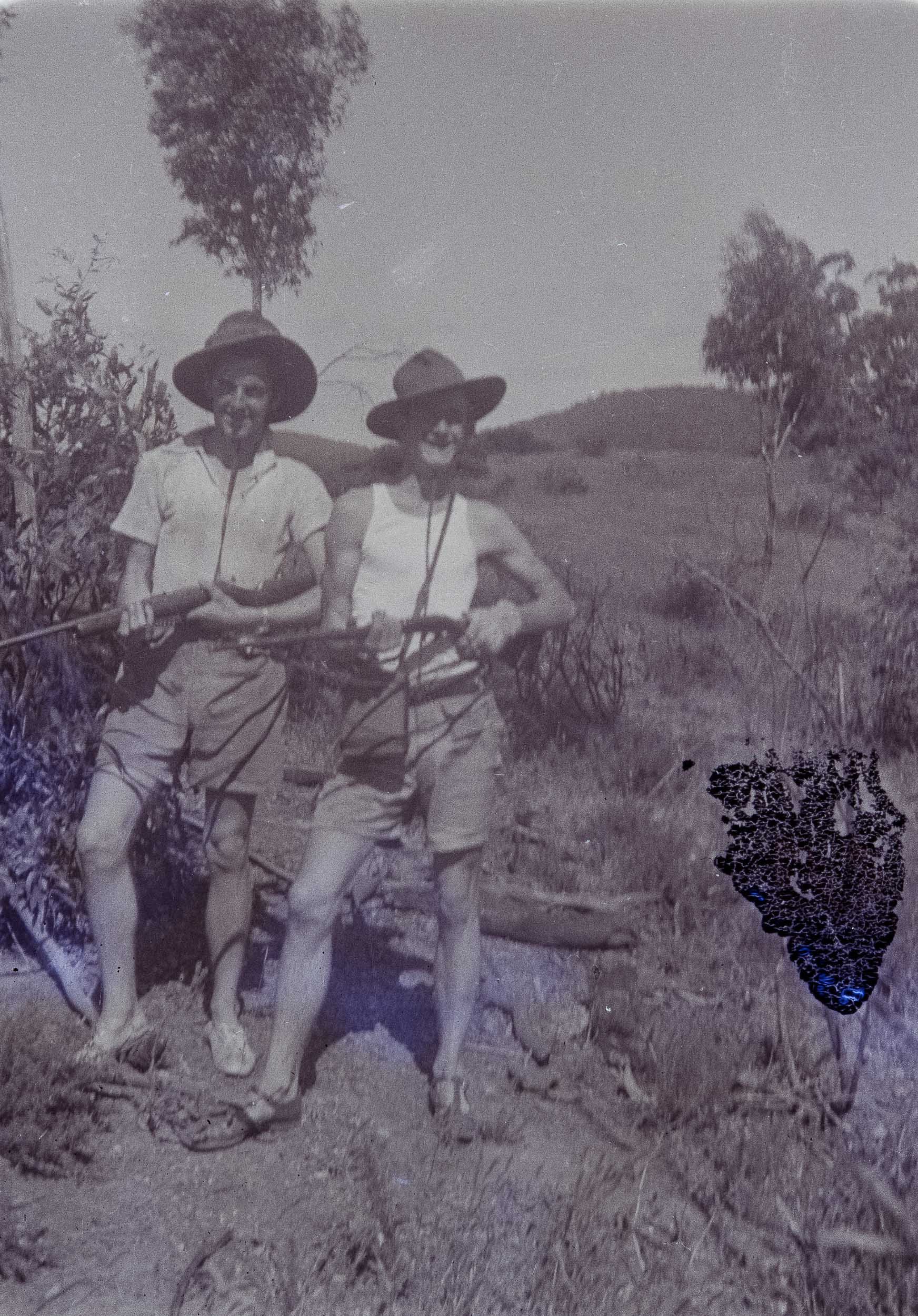
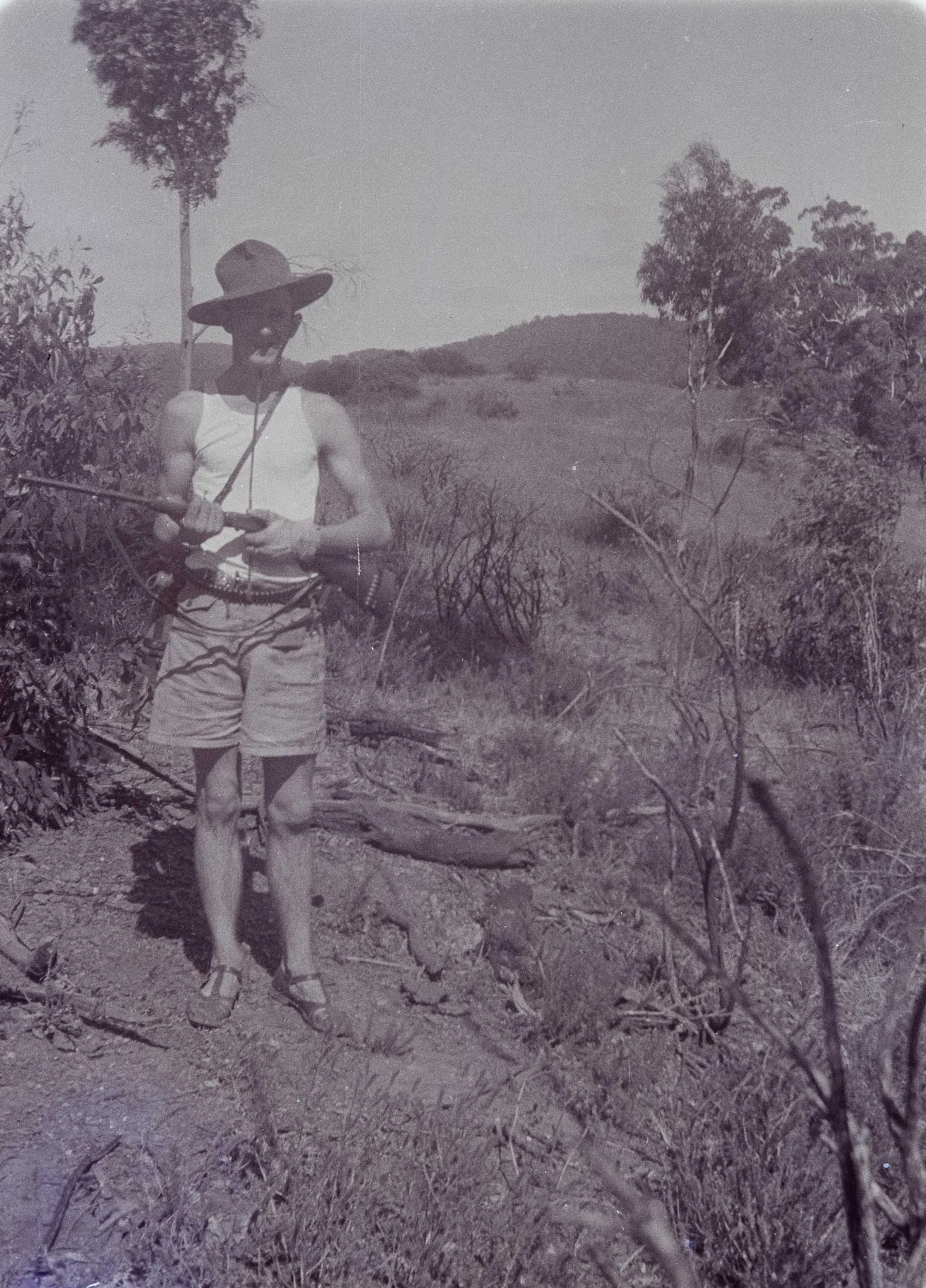
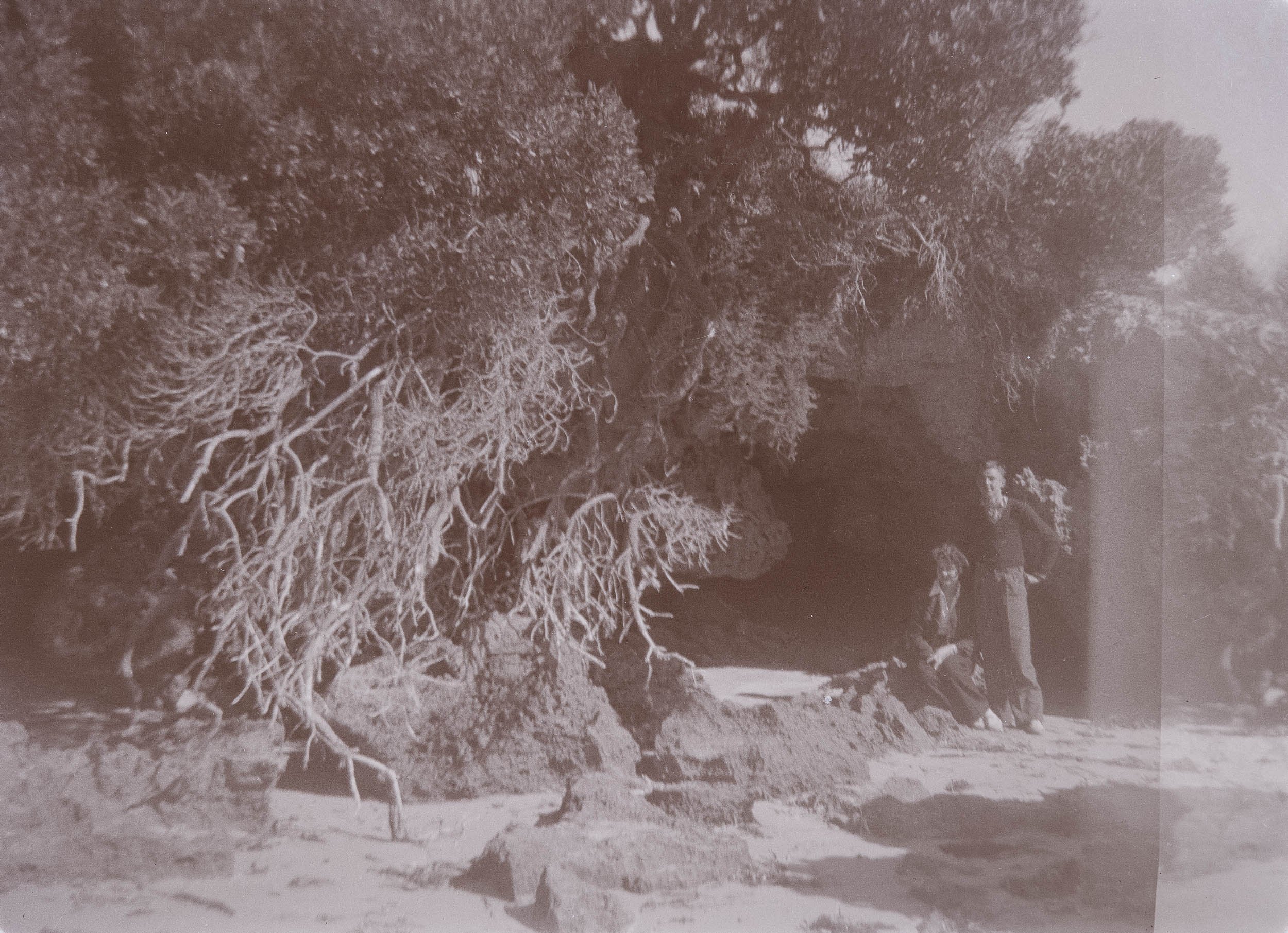
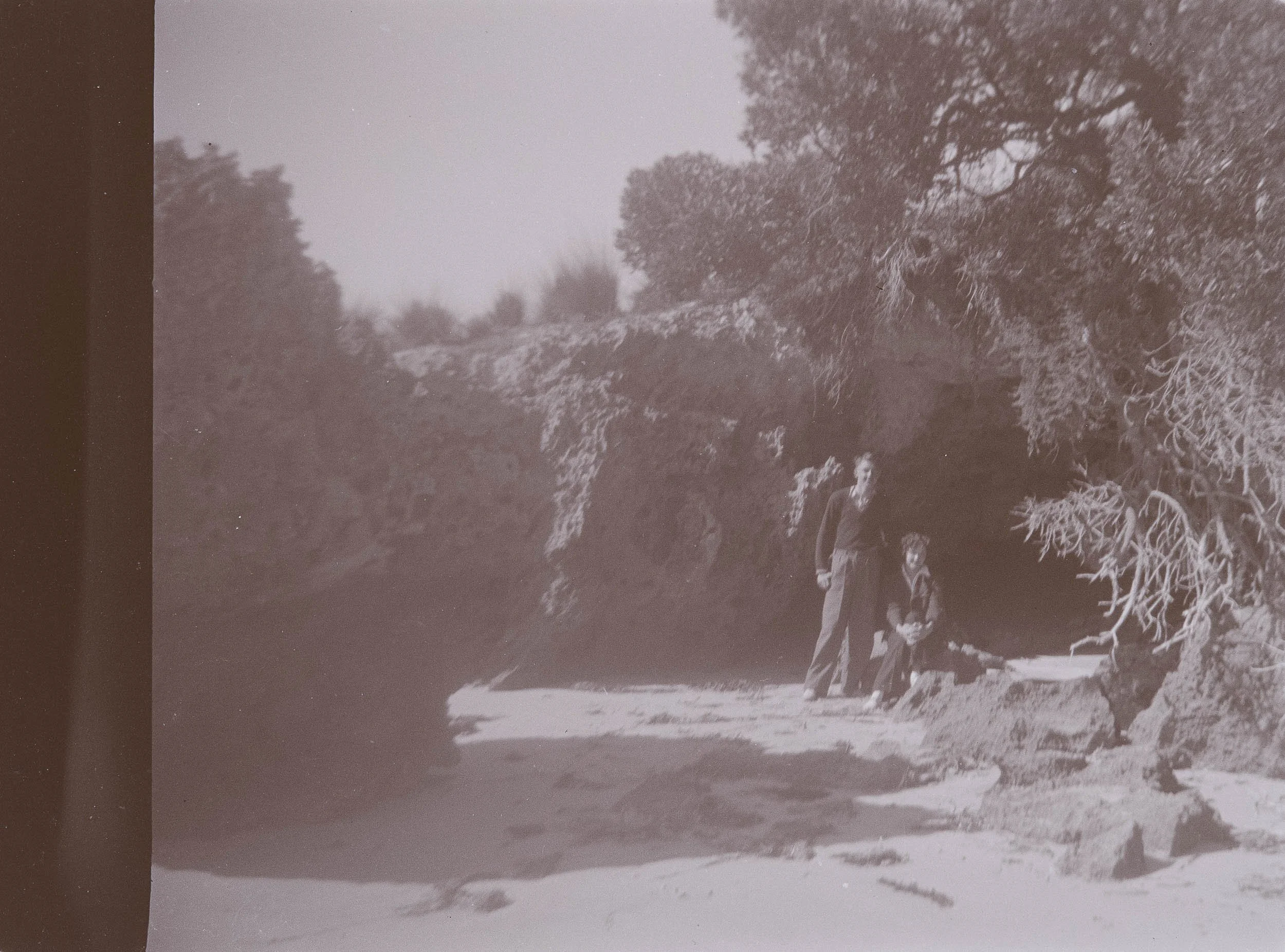
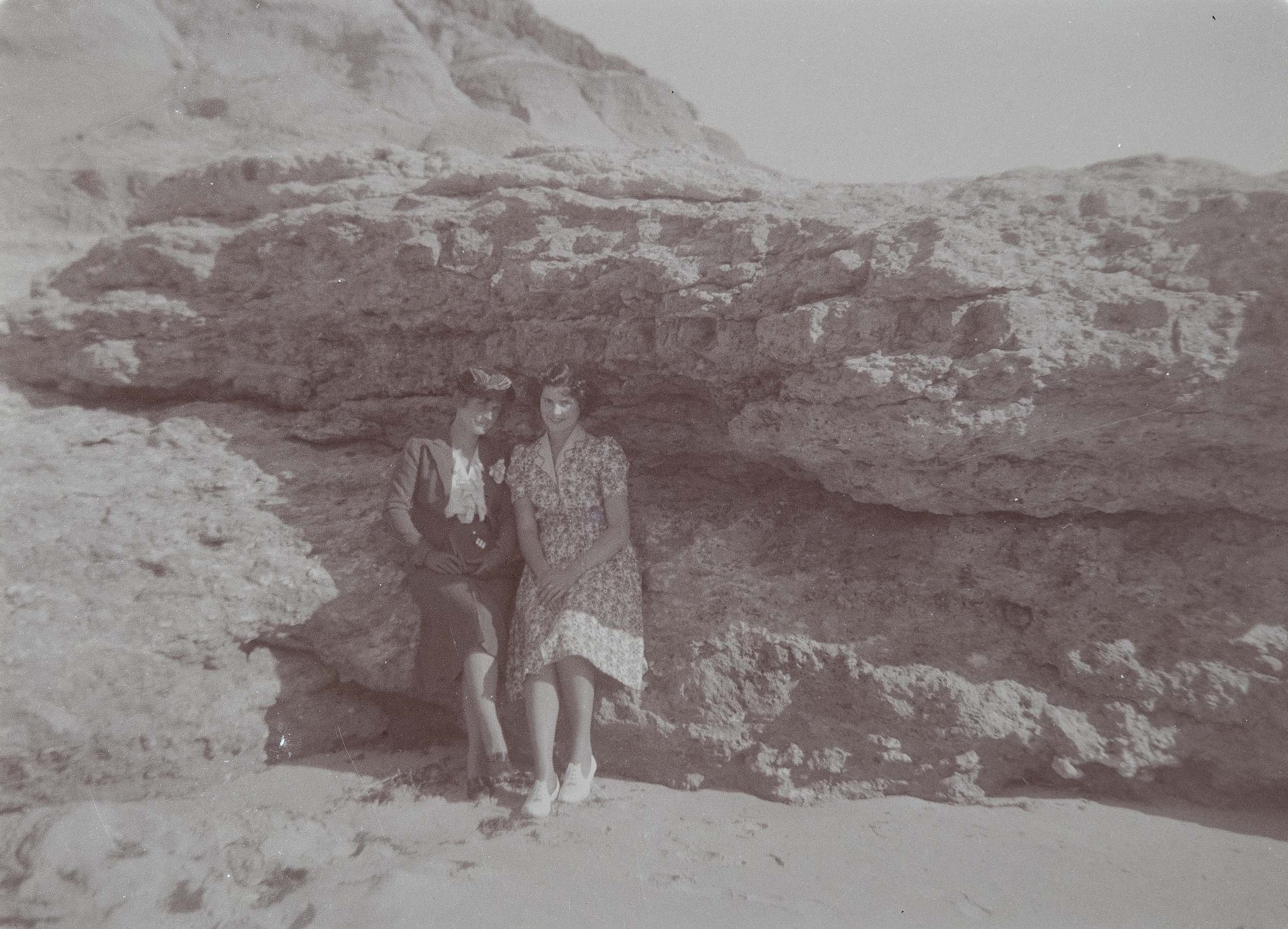
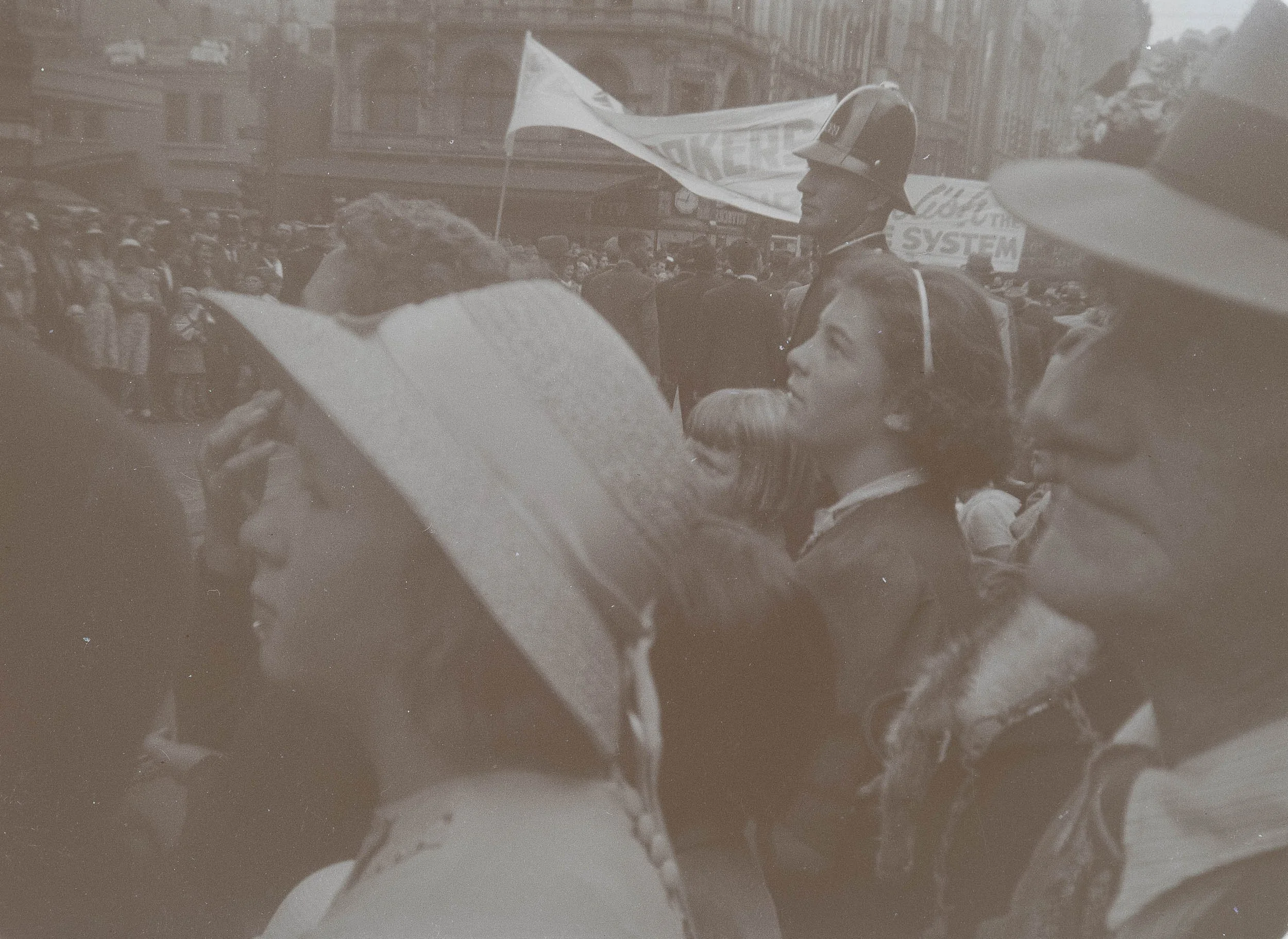
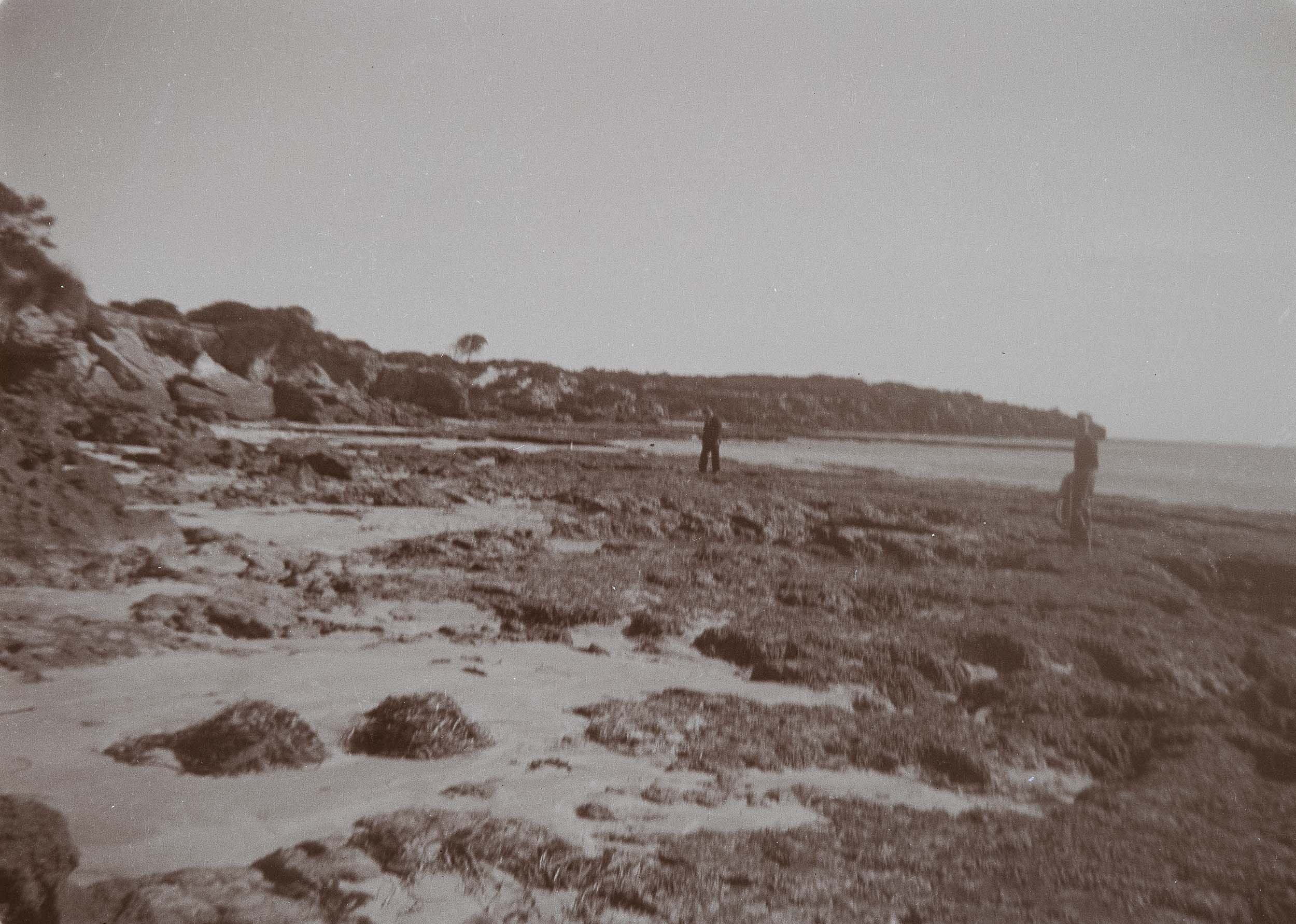
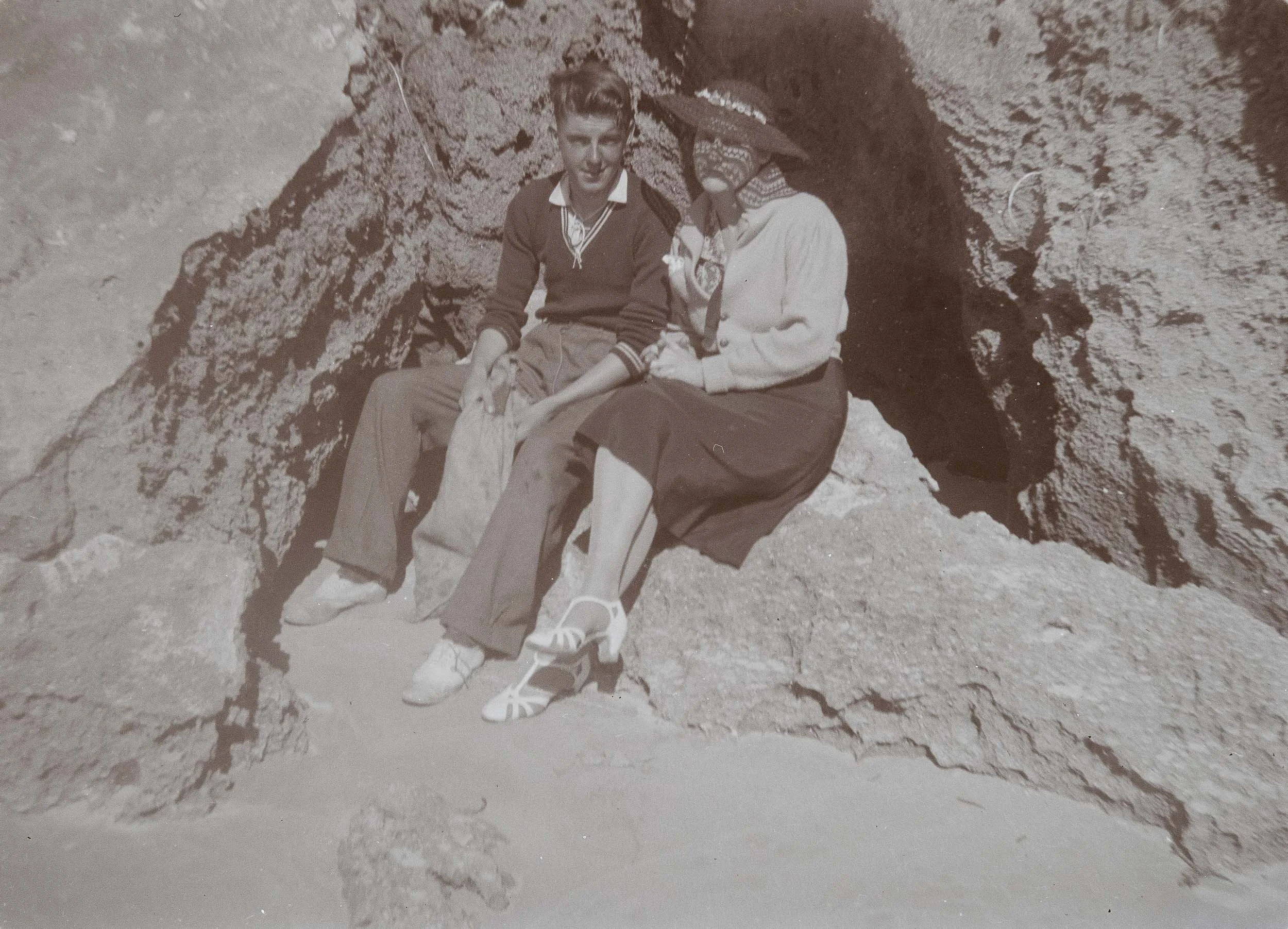
The packet of negatives contains 100 images, all snapshots from her adventures, beach days and daily life. None of it would have seemed especially important when the shutter was pressed.
Eighty years later, every part of it matters. The family have never seen these images.
Photography is more than taking pictures
Photography, for me, has always been much more than clicking away and posting the results on social media for a cheap dopamine hit.
It is about capturing memories, experimenting, exploring and creating.
After almost 30 years, photography for me is about creating an image simply because the process is enjoyable. Sometimes it is about documenting a place, a person or a moment that may never look the same again.
Just like these images, photography becomes storytelling.
There is something powerful about taking a negative exposed around 80 years ago, revealing the image it contains and giving it a new life.
The original photographer never would have imagined that the negative would one day be held flat by a custom 3D-printed frame, captured with a digital camera and viewed by family members on screens.
Yet here we are.
The technology has changed completely, but the purpose of a photograph remains the same: to hold onto something that would otherwise be lost.
Every element becomes history
When these photographs were taken, nobody was deliberately recording history.
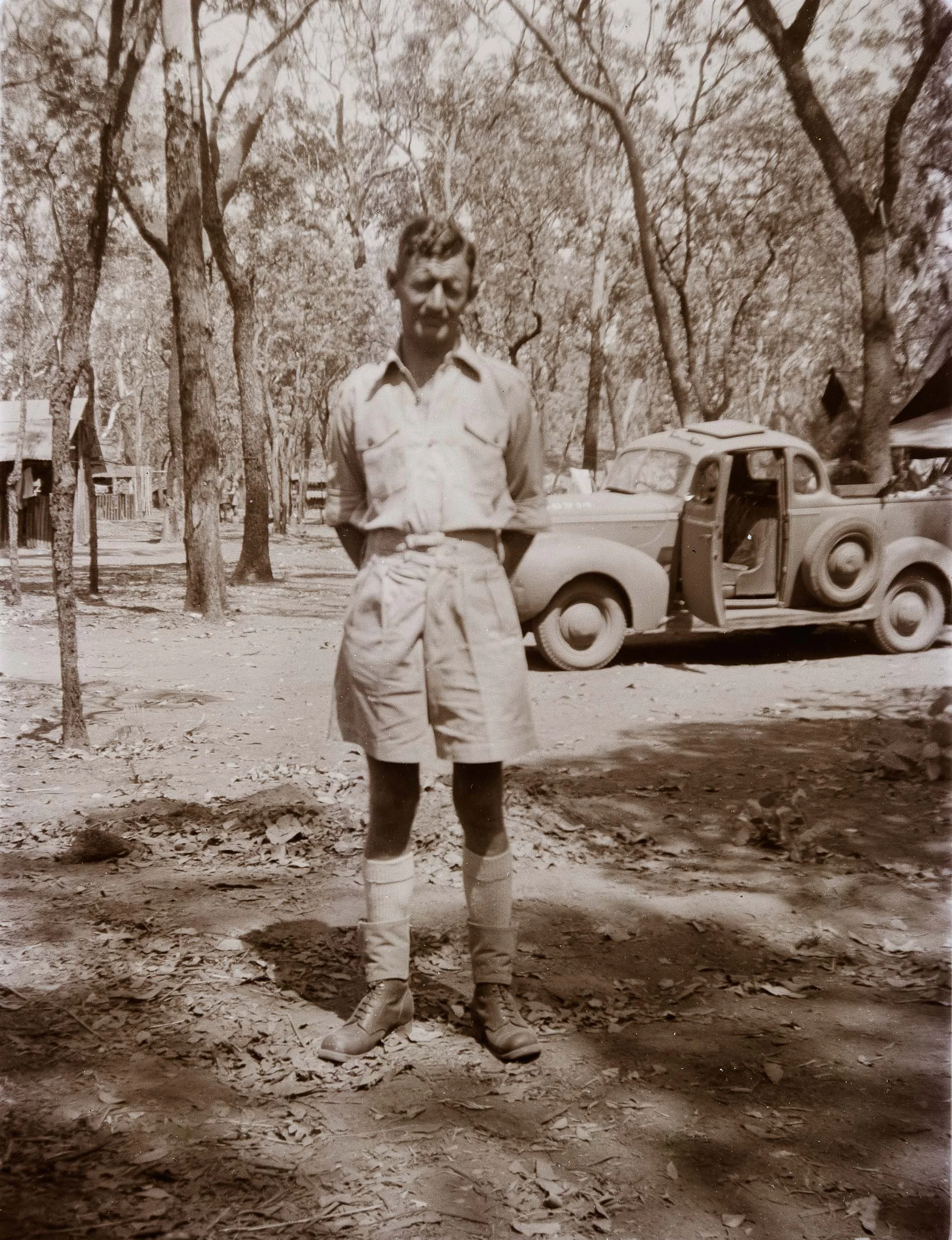
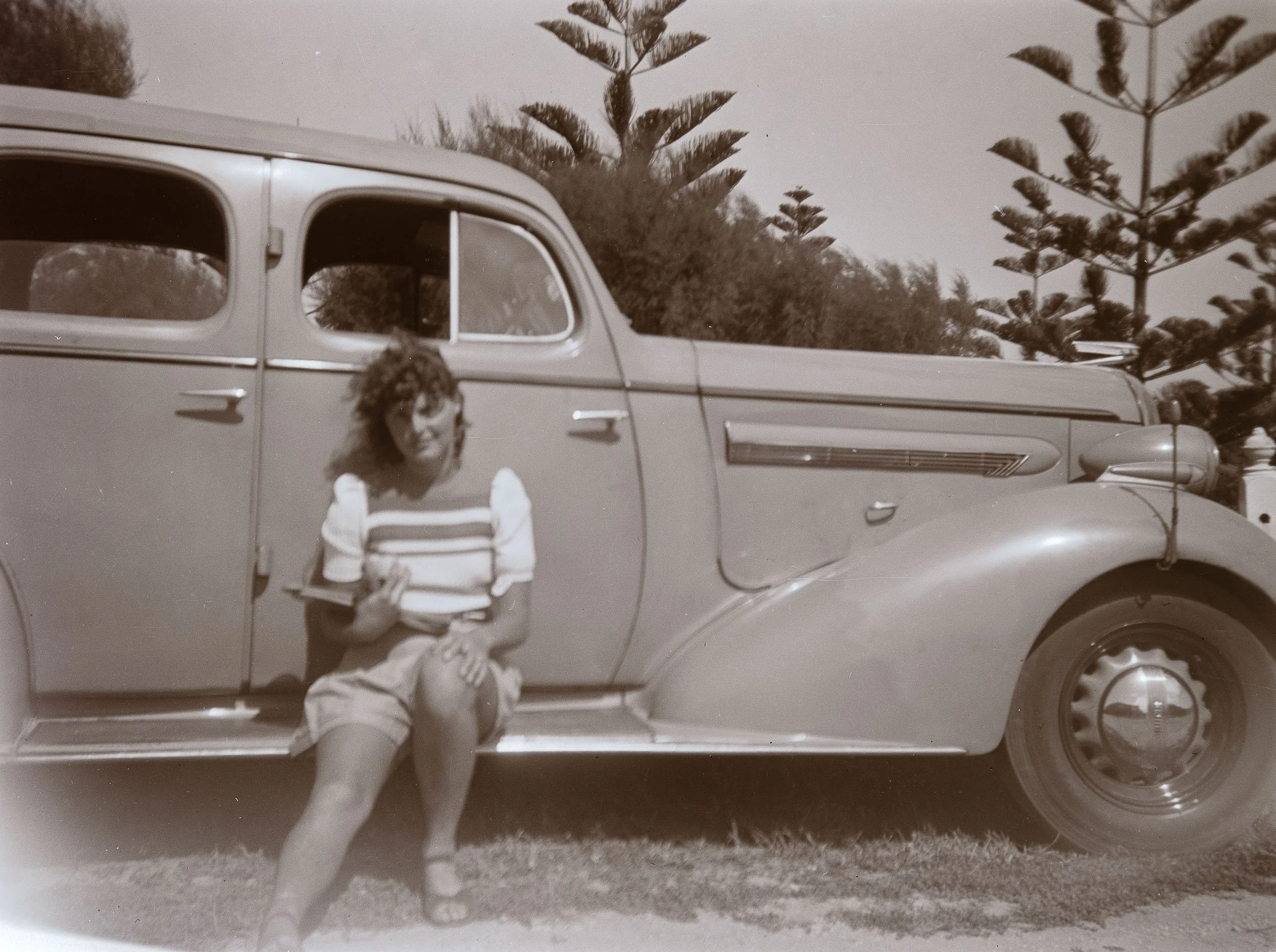
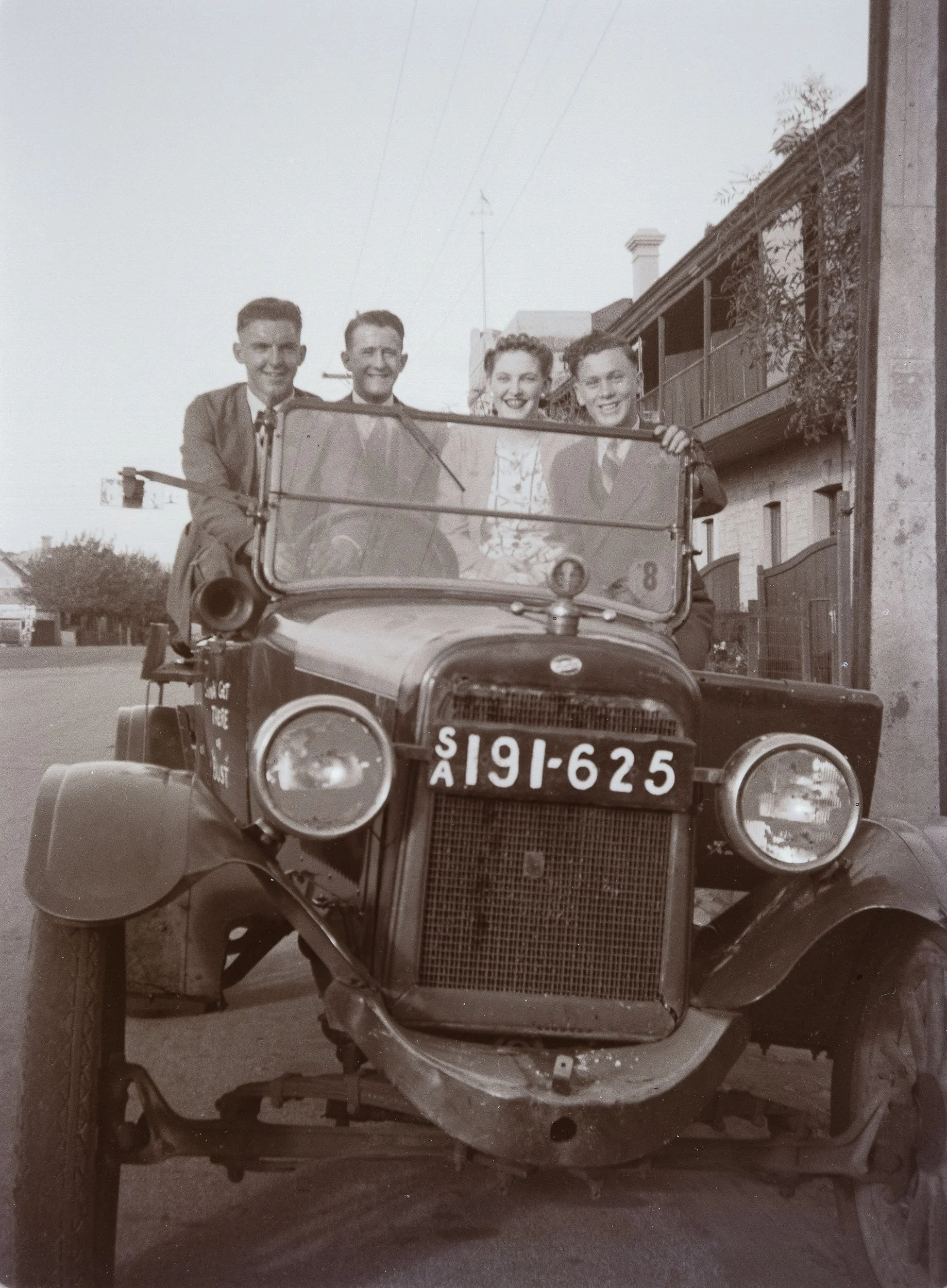
The car was simply a car. The building behind someone was simply where they happened to be standing.
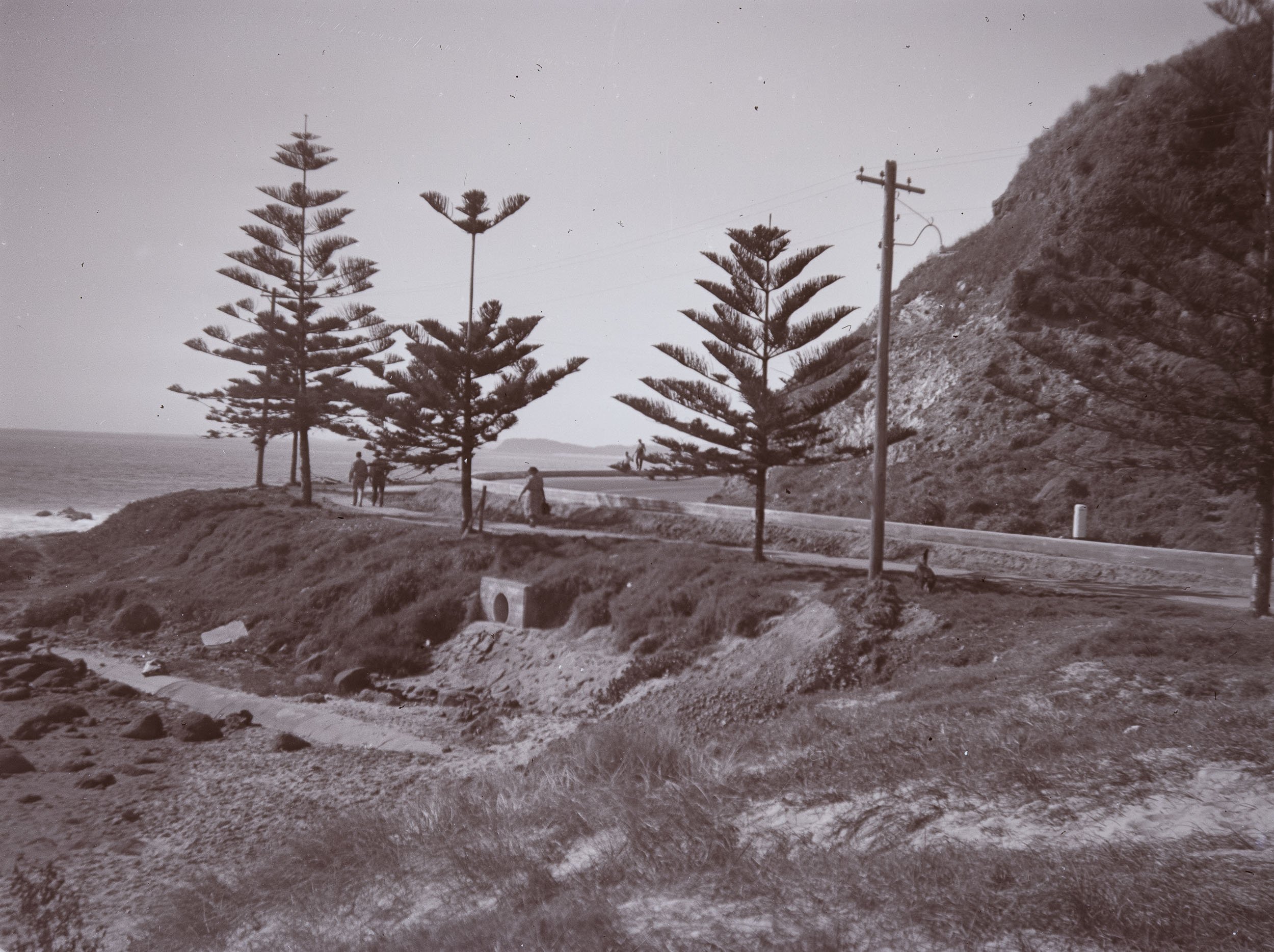
Unassuming background features become a historical record; over time, suburban streets, houses, and coastlines all change. Clothing, hairstyles, advertising and everyday objects become markers of another time.
Family photographs are not only records of people. They are records of the places, objects and ordinary surroundings that shaped their lives.
Eighty years later, those details have value.
Even the old Kodak envelope is now part of the story
History without the filter
We now live in a world where much of what we see is carefully selected, edited and presented.
Social media rarely shows the whole story. It shows a fraction of a second, chosen from many, adjusted and posted to support the version of ourselves we want others to see. The result can be little more than a glimmer of reality. Personas are built. Uncomfortable details are removed.
Old family photographs can also be selective, of course. People were still dressed for the camera and chose when to press the shutter. But collections like this tend to retain something honest precisely because they were never created for an online audience.
There was no public profile to maintain and no algorithm to satisfy; images like these simply show people spending time together.
History has value when it is kept full. Preserving history does not mean pretending that every photograph is perfect. It means keeping enough of the detail for future generations to understand what was really there.
Building a way to convert film to digital
Converting film to digital is nothing new; there are many ways to convert images. Some are great, some not. Some are cheap, some are not.
I wanted to digitise these negatives properly; however, like many families, I could not afford the cost to send them to a professional service. So, once again they sat in the bottom of a cupboard.
Winding back a couple of years, I decided to do some research and put my know-how to work. Using some creativity, mechanical engineering, and design, I started putting ideas together, refining, and creating a simple photograph scanner for 35mm slides. This system has been working well for me, with a few design tweaks and around 2500 slides scanned for various people.
These negatives set a new challenge; the project was more complex than scanning 35mm slides.
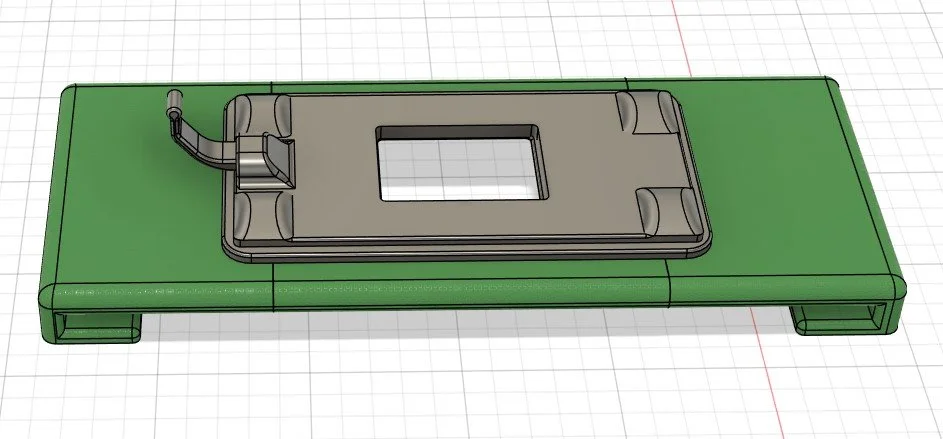
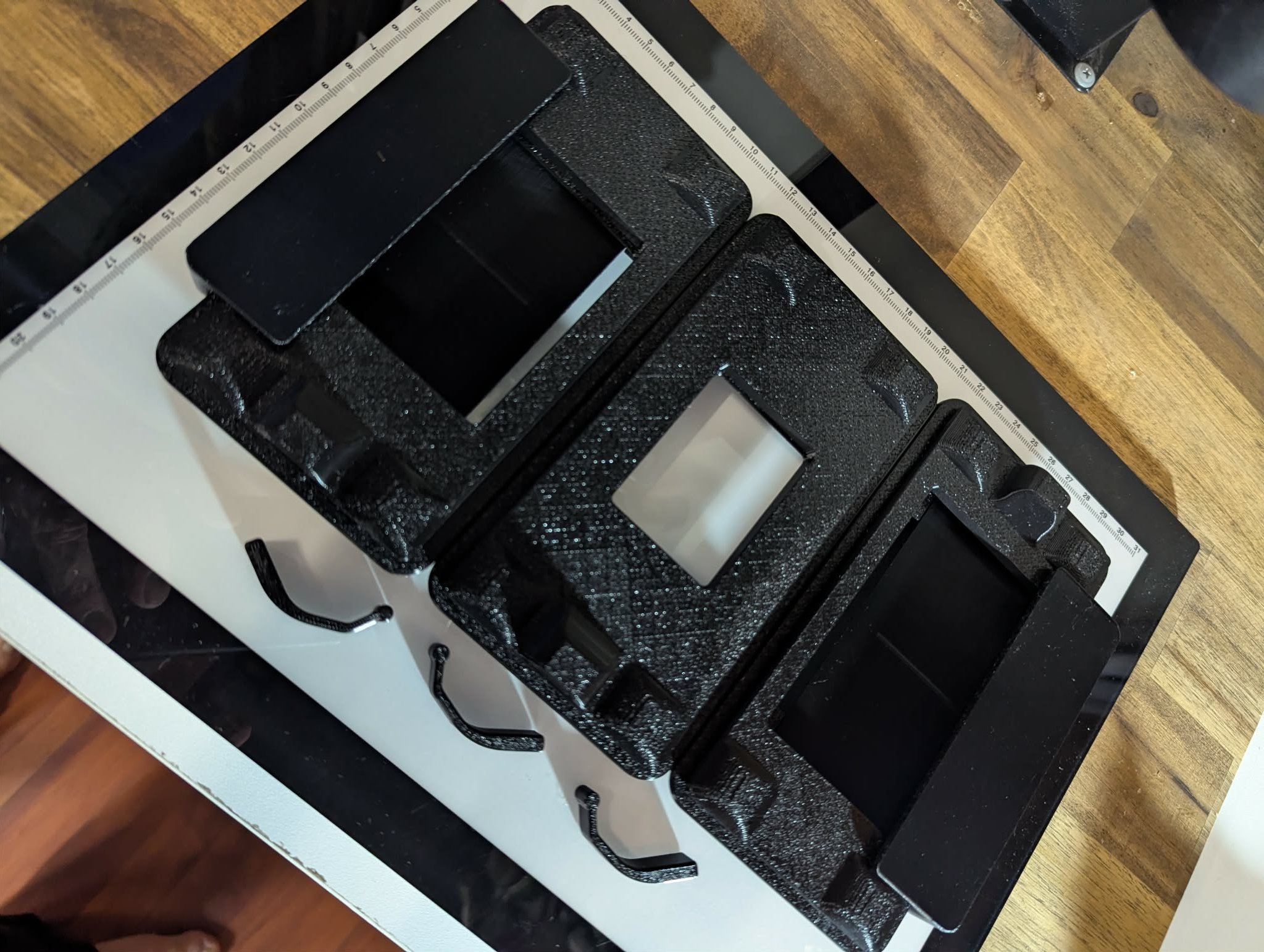
I designed and 3D printed a system to hold negatives flat and position them accurately. The aim was to create a repeatable setup that kept the film stable, evenly illuminated, and correctly aligned with the camera. Most importantly, they had to be FLAT!
The original negatives were mostly medium format and all hand-cut and varied in size and condition. The holder needed to support them without damage; it also needed to be easy to load, remove and adjust as I worked through the collection. Different inserts were designed and printed for different negative sizes. This meant that each frame could be placed without the need to be repositioned every time.
Once the physical setup was working, I photographed each negative in RAW and post-processed the files, including inverting, cropping, and slight adjustments. I try not to make them look as though they were photographed yesterday. The grain, small scratches and imperfections are part of their history, and the purpose is preservation rather than turning them into something they were never meant to be.
The whole process takes time. Designing the holder, printing prototypes, testing the lighting, capturing the negatives and processing the files is not a quick job.
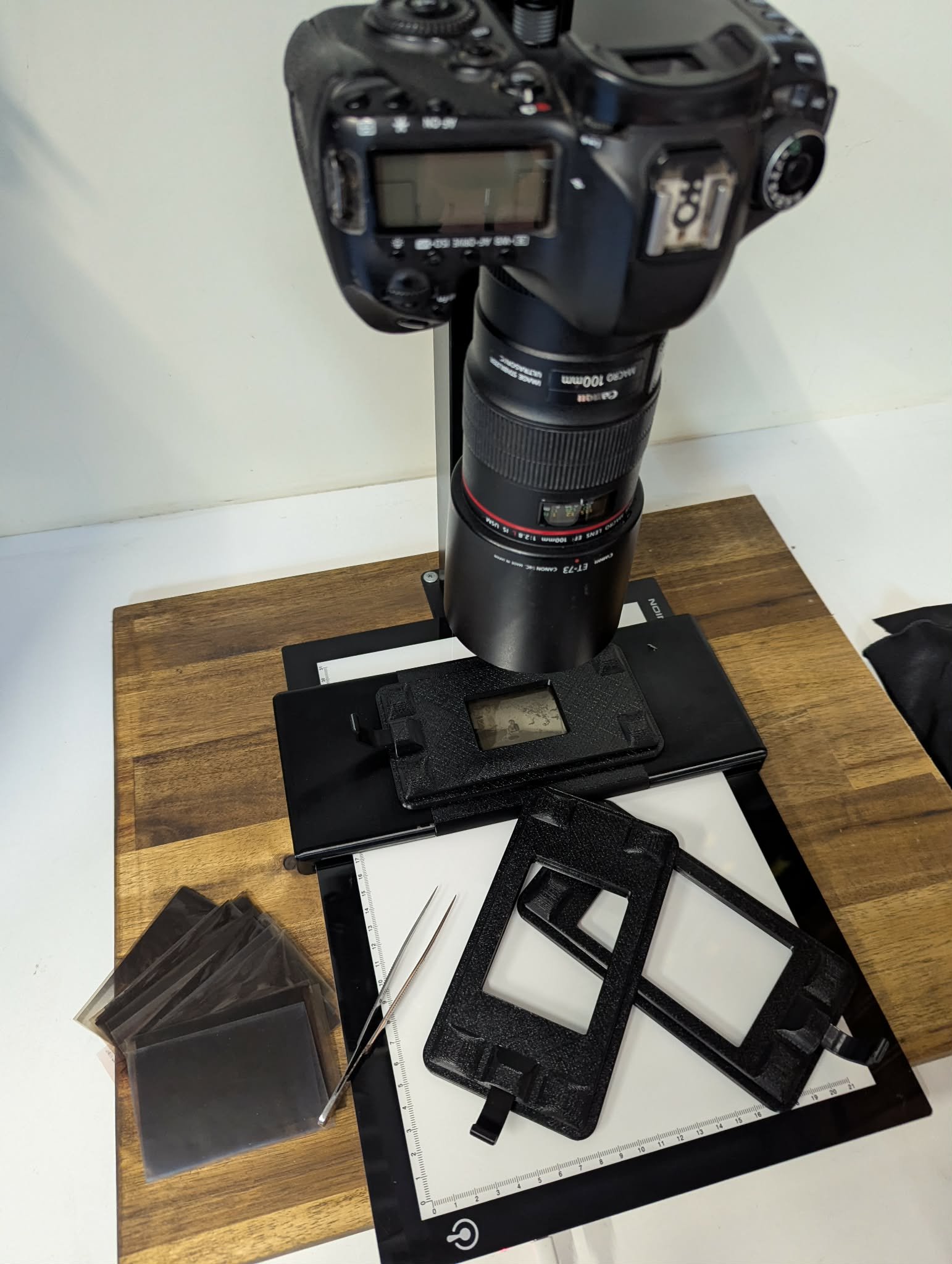
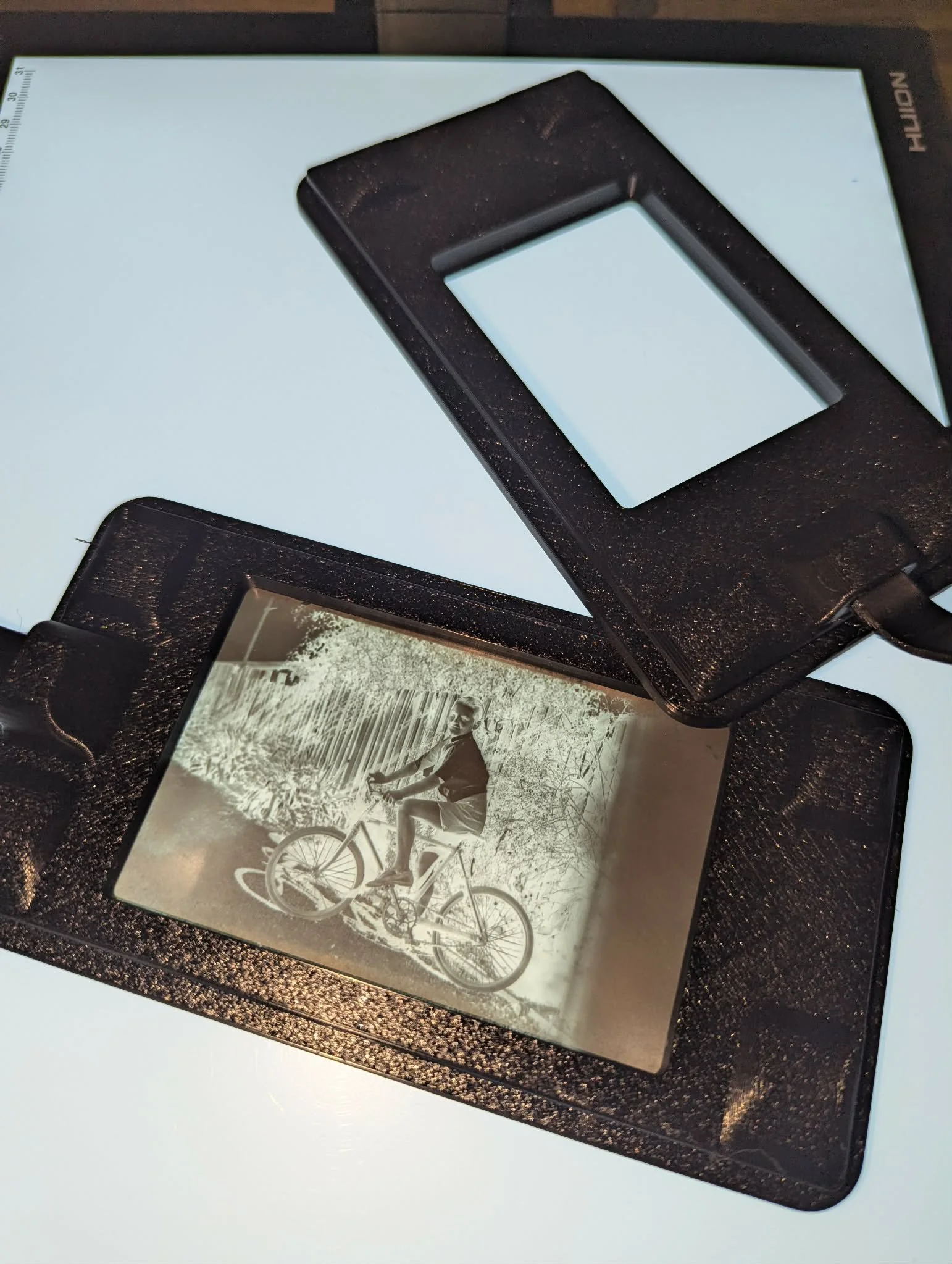
Numerous images were shot and then reshot, simply because it is very easy to lose focus using this method. Double and triple-checking focus for all 100 images was critical. Some are just not in focus. Using live view and magnifying x10 to manually focus on the film grain is always the best way to ensure the focus is true and correct.
Keep the originals!
Digitising a photograph does not mean the original should be thrown away.
Digital files are easy to copy, view and share, but hard drives fail, and online services disappear. Physical photographs and negatives have their own risks, but here, they have shown that they can survive for generations when they are kept dry, dark and protected.
The strongest approach is to keep both.
Store the negatives, slides and prints safely. Create high-resolution digital copies. Keep those in more than one location – such as a cloud service. Names, dates and locations recorded also become useful, especially for generations to come.
That information is often lost before the photograph itself.
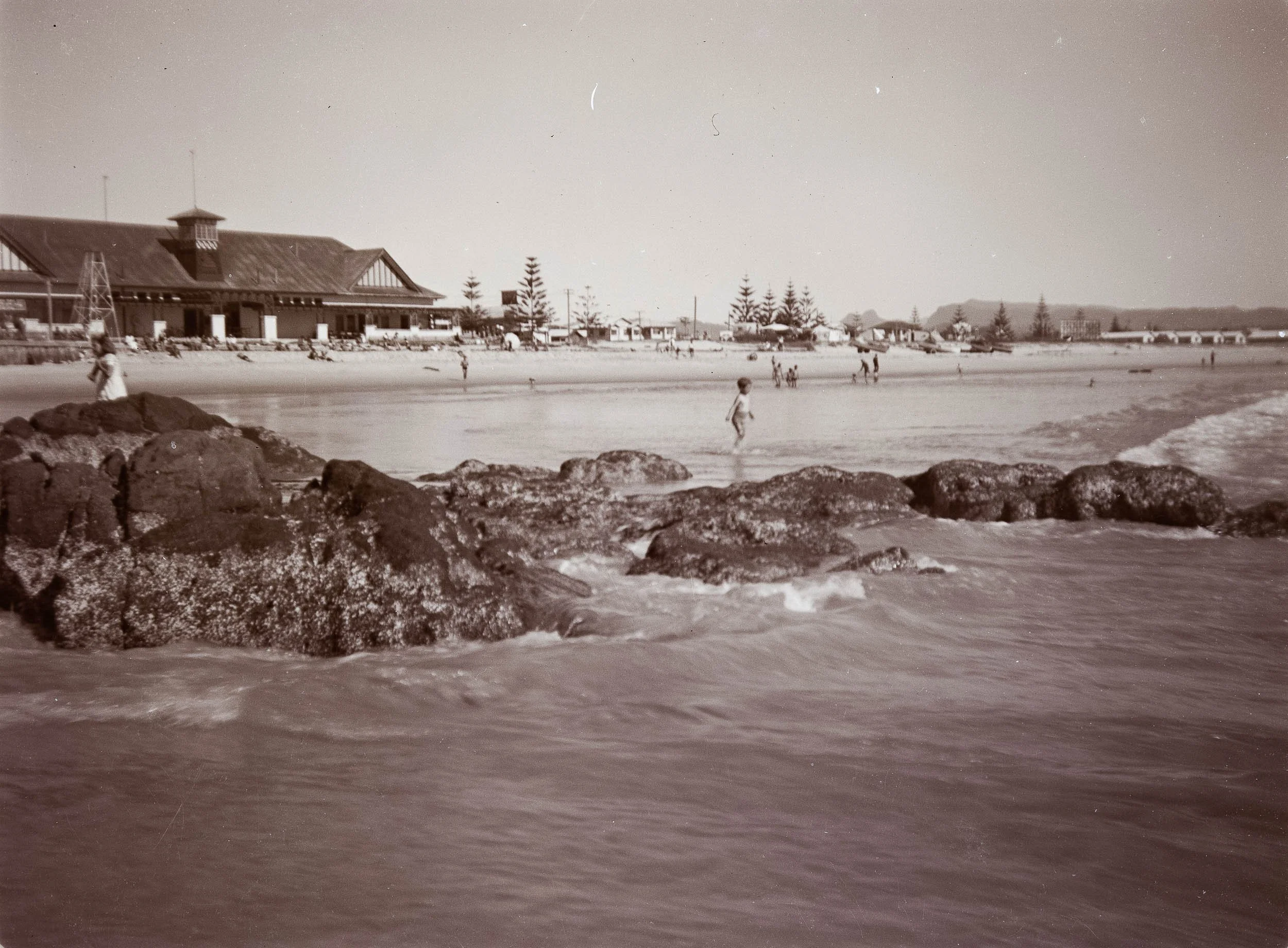
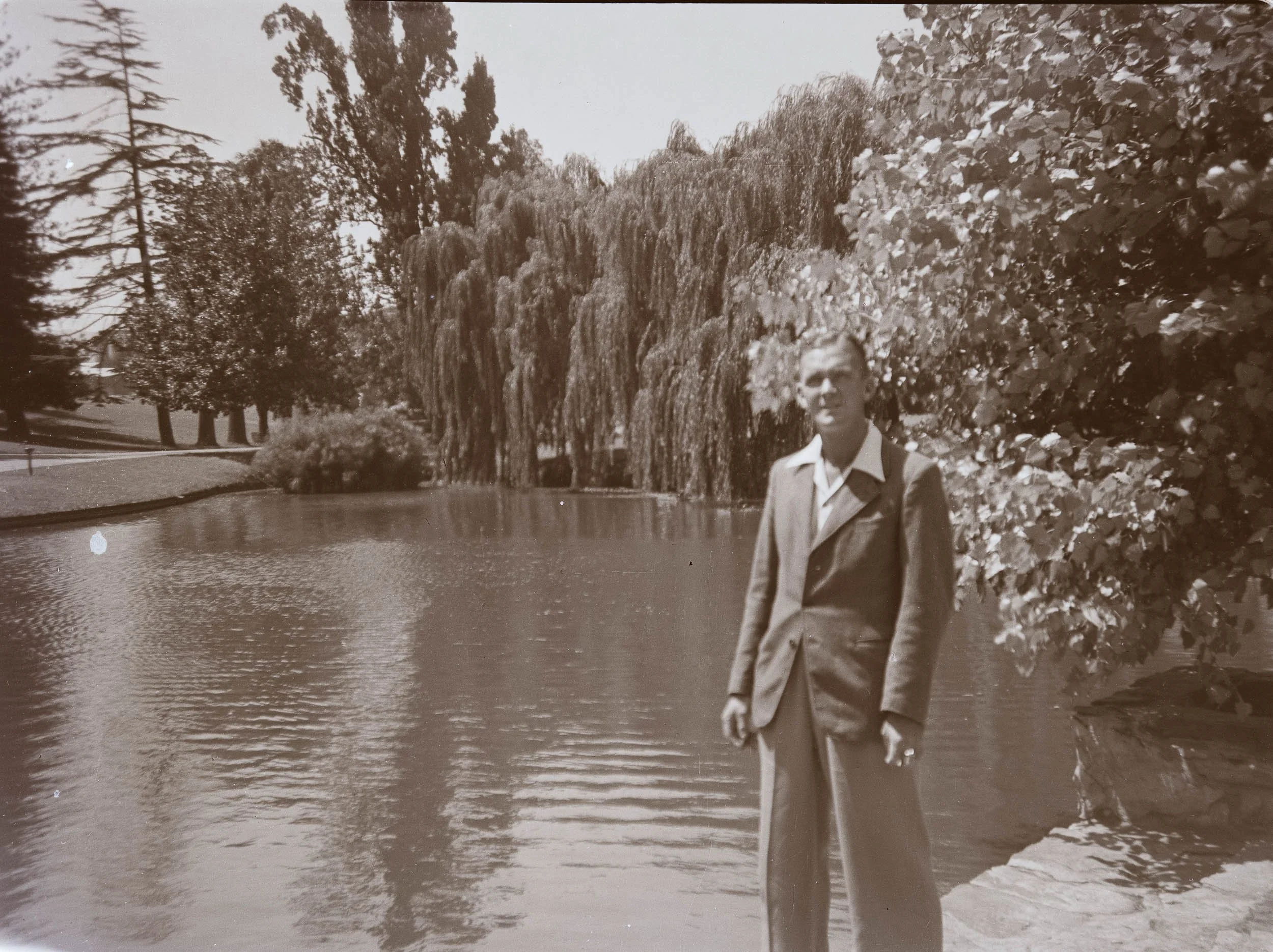
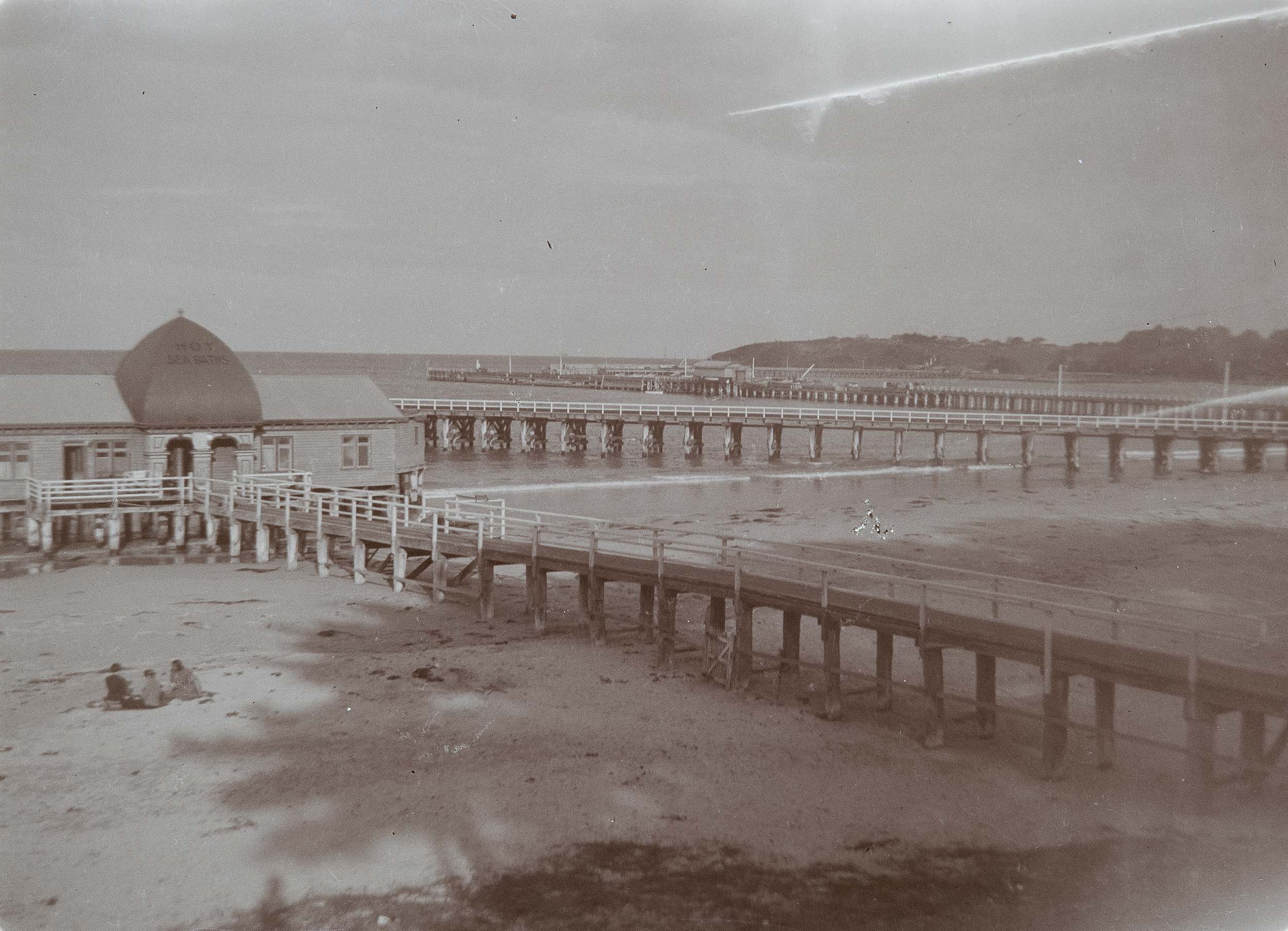
It’s not just people - Keep the street scenes. Keep the houses, sheds, and the cars. A family member may recognise a location decades later. A local historian may identify a building that no longer exists. Someone like me might happen across them and then search for the location and compare to now…Both of the following examples came from this pack!
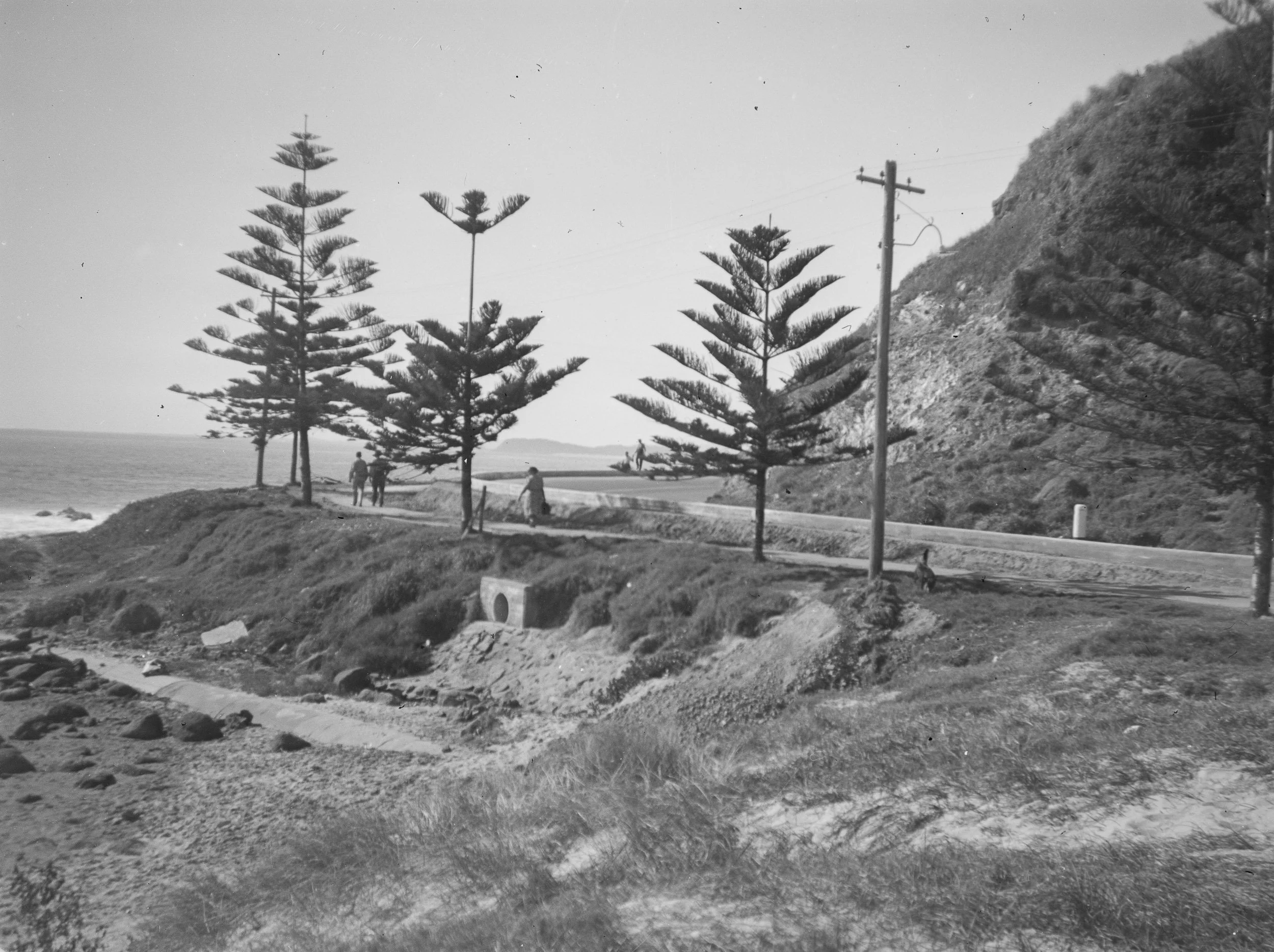
A holiday moment, approx 1930-50 - could be anywhere.
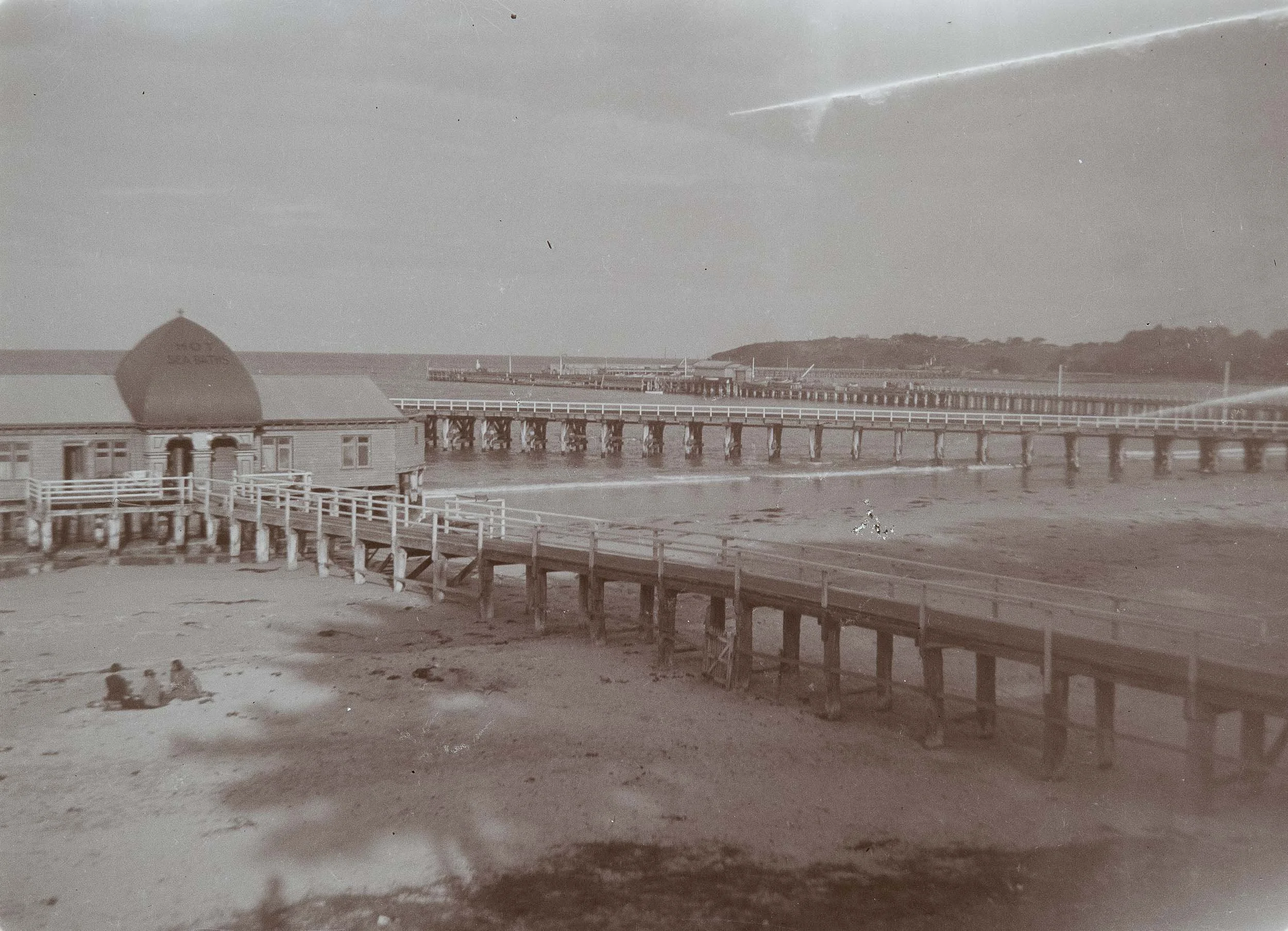
The unique building was a giveaway
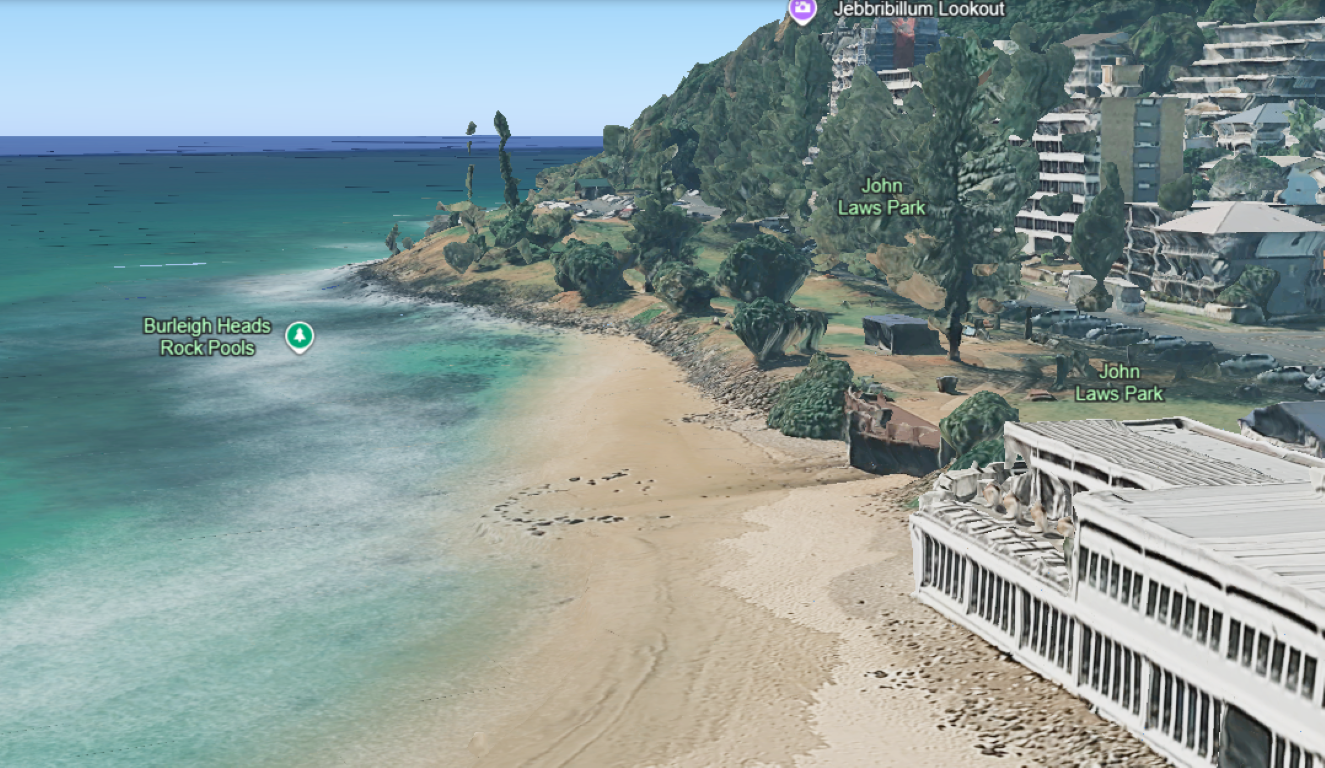
Burleigh Heads - Google Earth image
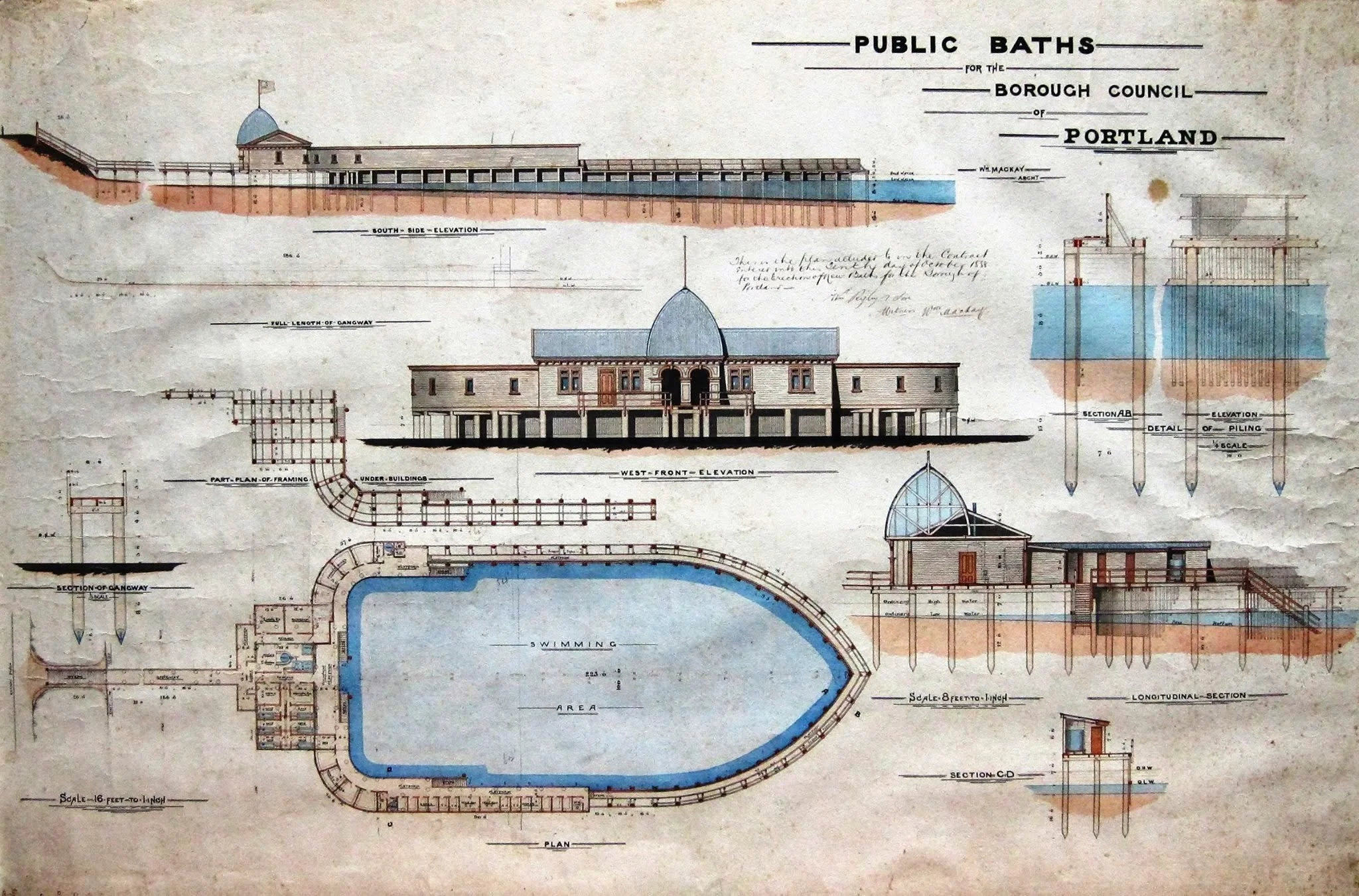
Portland Vic - confirmed with images
The negatives in this collection were not stored in ideal archival conditions. They were left in an old packet at the bottom of a cupboard. But they were kept. That was enough to allow us to do something with them now.
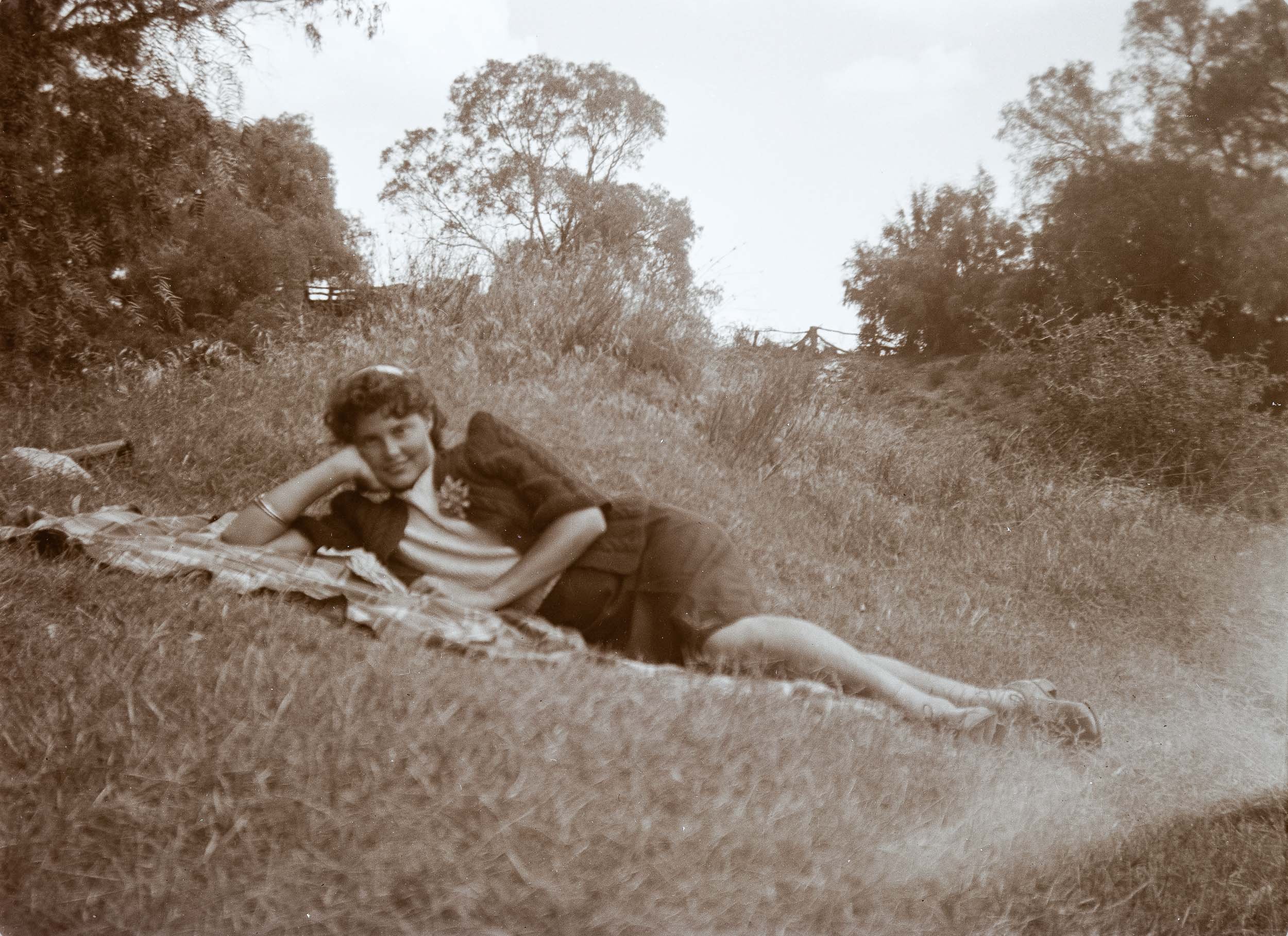
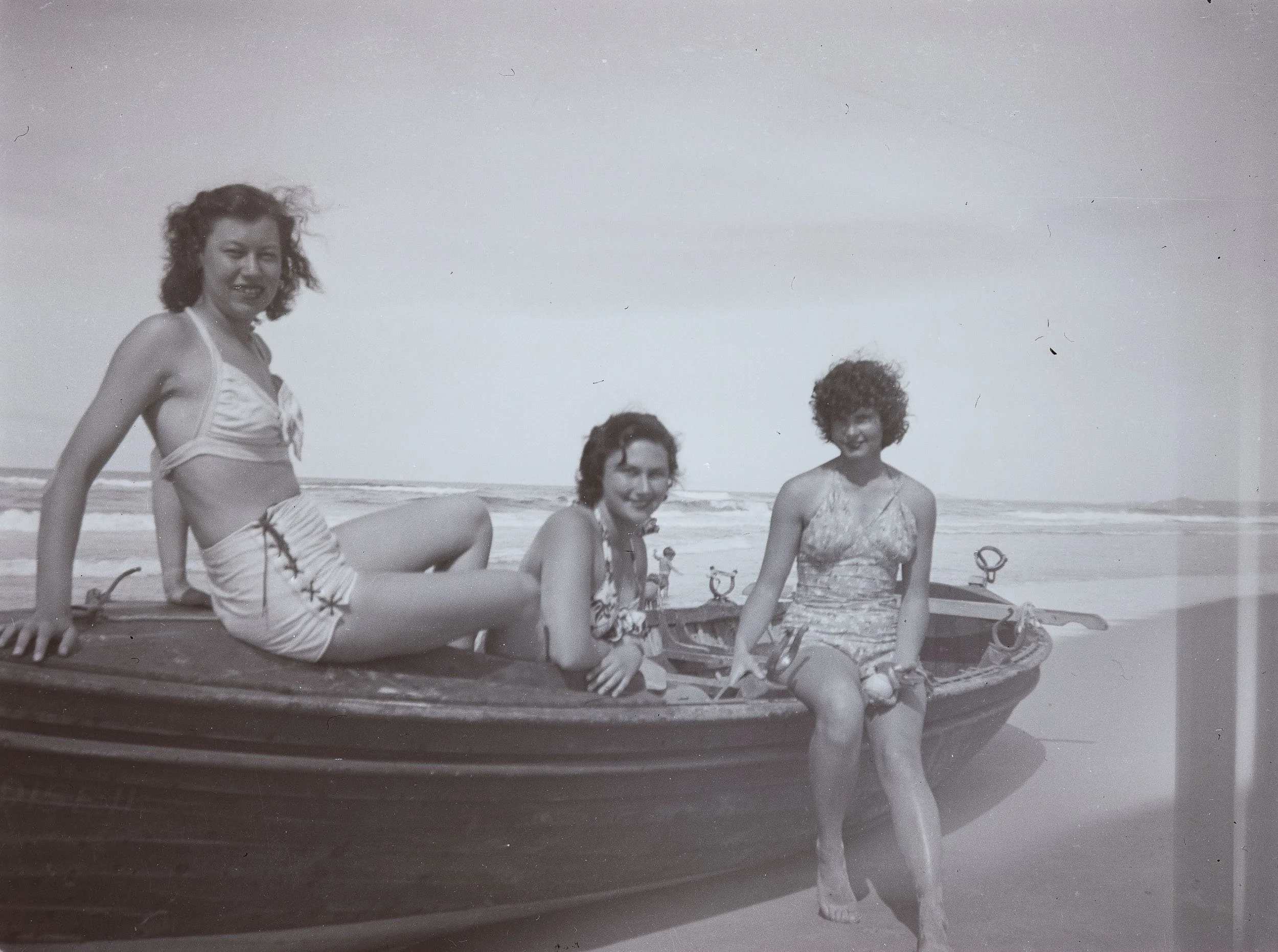
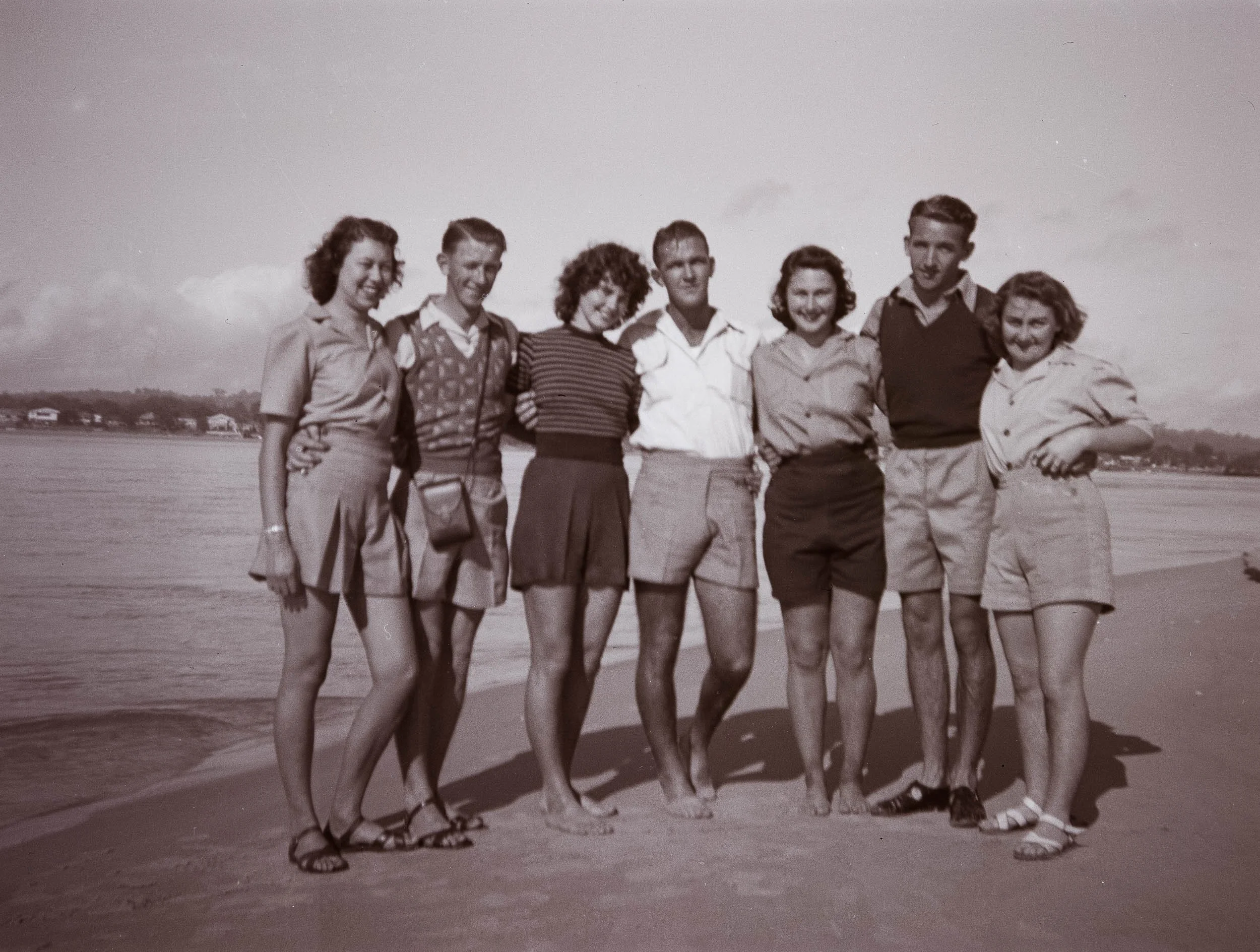
We can now see Granma as a young woman, well before the family was created. We can see her friends, her clothes, the places she visited and the outdoor life she clearly enjoyed.
We can see the sand beneath her feet and a little piece of the world she knew.
This is a piece of our family history. It’s been a pleasure to finally process these images for the next generation. Along with them goes the story of Lenna. A full-of-life personality that never lost her love of the beach.